
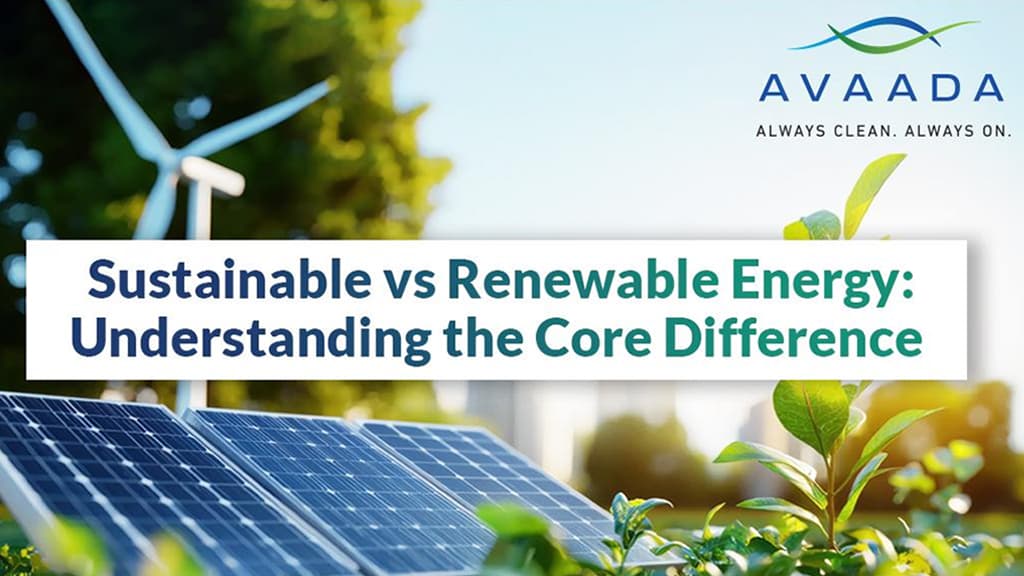
India’s transition to a cleaner power grid is now a reality for its energy sector. Two key terms often emerge in this discussion: renewable energy and sustainable energy. While they are frequently used interchangeably, they have distinct meanings. Renewable energy comes from naturally replenishing sources like sunlight and wind, while sustainable energy emphasizes meeting current energy needs without compromising future generations. Avaada plays a crucial role in this evolution, ensuring today’s power generation supports a resilient tomorrow.
The Urgent Need for Green Energy
The shift toward green energy is driven by the dual challenges of climate change and rising energy demand. India has demonstrated remarkable resilience in this transition, successfully meeting a peak power demand of 242.49 GW in the 2025-26 period. This achievement highlights the critical role of diversified energy sources in maintaining grid stability. However, simply adding capacity is not enough; the focus must remain on the quality and longevity of those sources.
Sustainable energy and renewable energy provide the framework for this transformation. By reducing the carbon intensity of the power sector, these energy forms mitigate the environmental impact of industrial growth. In the 2024-25 fiscal year, India’s per capita electricity consumption rose to 1460 kWh, a 52.6% increase from a decade ago. To sustainably support this rising consumption, the energy mix must transition away from finite fossil fuels toward infinite, ecologically responsible sources.
Addressing Climate Change and Energy Security
The distinction between clean energy vs renewable energy becomes vital when addressing climate change. While renewable sources naturally replenish themselves, “clean” energy specifically refers to sources that do not emit greenhouse gases during operation. Achieving energy security requires a balance where the power supply is not only renewable but also reliable and affordable for all. India has made significant strides here, reducing national energy shortages to a record low of 0.03% in the 2025-26 fiscal year. This progress is a testament to the strategic integration of solar, wind, and hydro power into the national grid.
What is Renewable Energy?
To understand what is renewable, one must look at the source. Renewable energy is derived from natural processes that are constant and virtually inexhaustible. Unlike coal or oil, which take millions of years to form, renewable resources are available on a human timescale. Understanding the meaning of renewable resources involves recognizing that these sources are clean alternatives to traditional power, helping reduce pollution that contributes to global warming.
Defining Renewable Resources: Nature’s Endless Supply
The meaning of renewable resources centers on the concept of replenishment. These resources are characterized by several key traits:
- Infinite Availability: Sources like sunlight and wind will not run out, regardless of how much we use.
- Low Operational Emissions: They typically produce little to no greenhouse gases during electricity generation.
- Geographical Diversity: Most regions have access to at least one form of renewable energy, from coastal wind to tropical sun.
By harnessing what is naturally available, countries can reduce their dependence on imported fuels and build a self-reliant energy economy.
Common Examples of Renewable Energy Sources in India
India has become a global leader in renewable deployment. As of late 2025, the country’s non-fossil fuel capacity reached a record 266.78 GW.
- Solar Energy: The primary driver of growth, with capacity reaching 135.81 GW in 2025.
- Wind Energy: A steady contributor, with installed capacity at 54.51 GW.
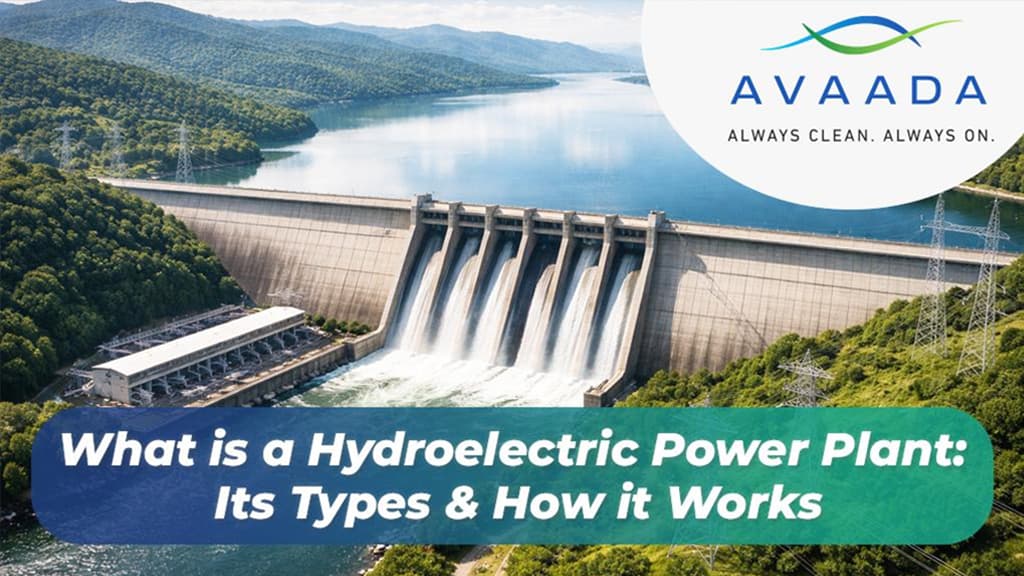
- Hydropower: Including large and small hydro projects, providing essential baseload power.
- Biomass: Utilizing organic materials like agricultural waste for energy.
- Geothermal: Tapping into the earth’s internal heat, a mature technology for stable power.
What is Sustainable Energy?
While replenishment is the core of renewable energy, the broader meaning of sustainable energy goes further. The sustainable energy definition is rooted in the principle of meeting current needs while protecting the environment, social equity, and future economic stability. For an energy source to be truly sustainable, its entire lifecycle, from the extraction of raw materials for equipment to the disposal of components, must have a minimal negative impact.
Beyond Replenishment: The Pillars of Sustainability
The sustainable energy definition rests on three main pillars:
- Environmental Health: Does the energy source protect biodiversity and minimize waste?
- Social Equity: Does the project respect local communities and ensure fair access to energy?
- Economic Efficiency: Is the energy affordable and capable of supporting long-term growth?
For example, a renewable project that displaces local communities or uses excessive water in a drought-prone area might not meet sustainability criteria. True sustainability requires a holistic approach to resource management.
Practical Examples of Sustainable Energy Development
A prime example is the sustainable development of wind energy. Wind power is inherently sustainable because it uses minimal land, often allowing farming to continue beneath the turbines, and requires almost no water for operation. Similarly, solar energy projects can be made more sustainable through circular manufacturing processes and land-use strategies such as agrovoltaics, where crops are grown under solar panels. Avaada integrates these principles into its projects, ensuring clean energy production coexists with local ecological and social needs.
Sustainable Energy and Renewable Energy: The Interplay
The relationship between sustainable energy and renewable energy is complementary but not identical. Most sustainable energy is renewable, but not all renewable energy is necessarily sustainable. Understanding the nuances of clean energy vs. renewable energy helps make better policy and investment decisions for a long-term green transition.
When Renewable Isn’t Necessarily Sustainable
A common example of the gap between sustainable energy and renewable energy is poorly managed biomass. While plants are a renewable resource, burning them can release significant carbon and particulates. If the wood is sourced from old-growth forests or competes with food crops for land, it fails the sustainability test. Similarly, large-scale hydro projects are renewable, but they can be unsustainable if they cause massive ecological disruption or displace thousands of residents without adequate compensation.
The Goal: Achieving Truly Sustainable Renewable Energy
The objective for a company like Avaada is to ensure renewable energy projects are designed with a sustainable energy lens. This means prioritizing high-efficiency technologies, such as N-Type TOPCon solar modules, which generate more power from a smaller footprint. It also involves investing in energy storage, such as the 1,200 MW pumped-storage project Avaada has invested in Rajasthan, to ensure the variable nature of solar and wind power does not compromise grid reliability.
Avaada's Commitment to a Sustainable and Renewable Future for India
Avaada is dedicated to powering India’s progress through a balanced mix of solar energy and wind energy. By focusing on large-scale utility projects, we contribute to the national goal of 500 GW of non-fossil capacity by 2030. Our approach goes beyond generating units of power; we focus on the long-term environmental and community impacts of our infrastructure.
Our Role in India’s Clean Energy Transition
India achieved its target of 50% non-fossil electric capacity five years ahead of schedule, reaching 51% by October 2025. Avaada has played a key role in this momentum. Our projects are designed to be “clean” from inception to operation, helping lower the nation’s carbon footprint while supporting the “Viksit Bharat” vision of a developed, self-reliant India.
Driving Innovation for Long-Term Sustainability
Innovation is the key to maintaining sustainable energy standards. Avaada’s research into green hydrogen and advanced energy storage systems ensures renewable power remains a viable, 24/7 solution for industrial needs. By reducing the waste generated during manufacturing and enhancing the lifespan of our energy assets, we are building a foundation that will serve the country for decades to come.
Would you like to learn more about how Avaada’s sustainable energy solutions can help your business transition to a greener future? Contact our team today for a consultation.
FAQs
Is nuclear power considered renewable or sustainable?
Nuclear is sustainable because of its low carbon emissions, but it isn’t renewable because it relies on finite uranium supplies.
What is the main difference between clean energy and renewable energy?
Renewable energy is naturally replenished; clean energy refers specifically to sources that emit no greenhouse gases during operation.
How does energy storage contribute to sustainable energy systems?
Storage stabilizes the grid by storing excess renewable power, ensuring a reliable, 24/7 supply without the need for fossil-fuel backups.
What government initiatives in India promote sustainable energy?
Key initiatives include the Revamped Distribution Sector Scheme (RDSS) and the Carbon Credit Trading Scheme, launched in 2025.
Can fossil fuels ever be part of a sustainable energy mix?
Strictly speaking, no, as they are finite and emit carbon. However, transition fuels are sometimes used temporarily for grid stability.
How can individuals contribute to sustainable energy practices?
Individuals can adopt rooftop solar, use energy-efficient appliances, and support policies that prioritize long-term ecological health over short-term gains.