
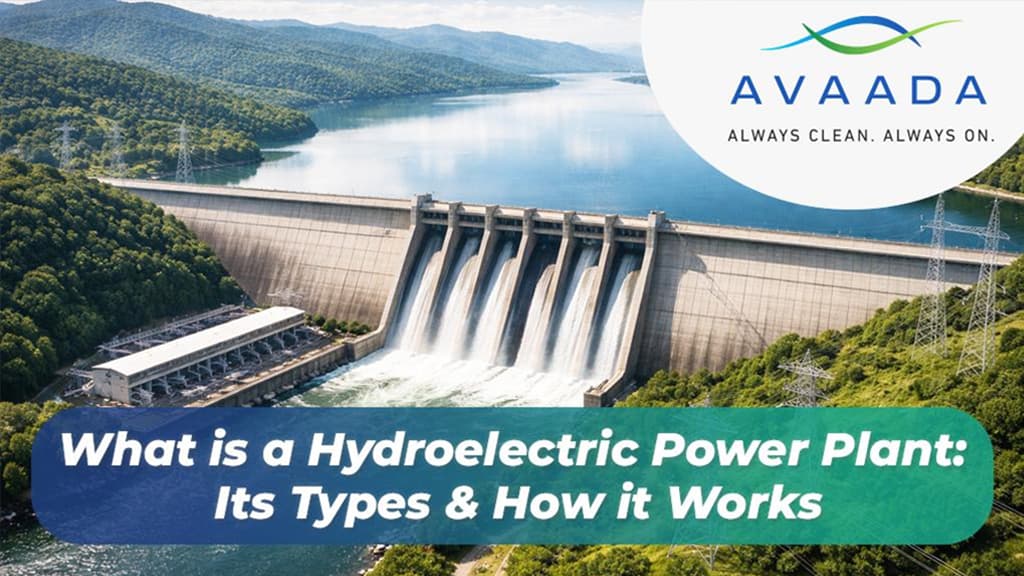
Hydroelectric power is essential for the global shift to renewable energy, using the natural flow of water to generate electricity without the carbon emissions of fossil fuels. In India, where energy demand is increasing, understanding hydroelectric power plants is crucial for sustainable resource management. These facilities, from large dams to smaller river projects, enhance the power grid’s resilience by converting kinetic and potential energy into electricity, thereby supporting national energy security.
Understanding Hydroelectric Power: The Basics
To understand what hydroelectric power is, one must look at it as the conversion of energy from flowing water into electricity. Often referred to as hydroelectricity, this process relies on the hydrological cycle, making it a renewable resource that does not deplete over time. Unlike coal or gas, hydroelectric energy does not involve combustion, which means it produces no direct air pollutants or greenhouse gases during operation. It serves as a flexible power source that can be adjusted quickly to meet shifting demands on the electrical grid.
The Fundamental Principle of Hydroelectric Power Generation
The core answer to how hydroelectric power is generated lies in the principle of energy transformation. Hydroelectric power is generated through energy transformation. Water stored at a height has potential energy from gravity, which converts to kinetic energy as it flows downward. This moving water spins a turbine, and the mechanical motion is transferred to a generator, producing electrical current.
Components of a Hydroelectric Power Plant
If you are wondering what a hydroelectric power plant is, you can find the answer by looking at its structure. Each part plays a specific role in ensuring efficient energy conversion:
- Dam: A large structure built across a river to retain water and create a reservoir.
- Reservoir: The area behind the dam where water is stored, acting as a battery for potential energy.
- Penstock: A massive pipe or channel that carries water from the reservoir to the turbines.
- Turbine: The mechanical heart of the plant, featuring blades that spin when hit by fast-moving water.
- Generator: Connected to the turbine shaft, it converts mechanical rotation into electrical energy.
- Transformer: Increases the voltage of the electricity to minimize losses during long-distance travel.
- Transmission Lines: The grid infrastructure that carries electricity to homes and industries.
How Hydroelectric Power Plants Generate Electricity
Hydroelectric power generation begins with water release from reservoirs, accelerating through penstocks to strike turbines. Turbines spin at high speeds, driving generators that produce alternating current. Transformers boost voltage for long-distance delivery via transmission lines.
The Step-by-Step Process of Converting Water to Watts
Understanding how hydroelectric power is generated involves a sequence of mechanical and physical events:
- Water Intake: Control gates at the dam open to allow water from the reservoir to enter the penstock.
- Gravity-Driven Flow: Water travels down the penstock, gaining speed and pressure as it descends.
- Turbine Rotation: High-pressure water impinges on the turbine blades, forcing them to rotate rapidly.
- Energy Conversion: The spinning turbine turns a shaft connected to a generator. Inside the generator, a rotor spins within a stator to produce electricity.
- Voltage Regulation: The electricity is sent to a transformer to increase voltage for efficient transmission.
- Outflow: The water exits the turbine through a draft tube and returns to the river downstream, relatively unchanged in quality.
Types of Hydroelectric Power Plants
Not every hydro power plant is designed the same way. The choice of technology depends on the local geography, water availability, and the specific needs of the grid.
Plant Type | Primary Feature | Best Use Case |
Impoundment | Large dam and reservoir | Utility-scale baseload power |
Run-of-River | Minimal or no storage | Consistent river flows |
Pumped Storage | Two reservoirs (upper and lower) | Energy storage and peak demand |
Small/Micro Hydro | Low capacity (under 25 MW) | Remote or rural electrification |
Conventional Hydro Plants (Impoundment)
The most common type of hydroelectric power plant is an impoundment facility. These utilize a large dam to store river water in a reservoir. This setup allows operators to control the flow of water and, consequently, the amount of electricity produced. Avaada recognizes the value of such large-scale energy systems in providing a steady, reliable baseload for India’s industrial sectors.
Run-of-River Hydro Plants
A run-of-river hydro power plant channels a portion of a river through a canal or penstock to spin a turbine. These plants typically have little to no storage capacity, meaning they rely on the river’s natural flow. While they are more dependent on seasonal weather, they often have a smaller environmental footprint as they do not flood large areas of land.
Pumped-Storage Hydropower (PSH) Plants
Pumped storage hydropower acts as a giant “water battery.” It uses two reservoirs at different elevations. During periods of low energy demand, excess electricity from sources like solar or wind is used to pump water from the lower reservoir to the upper one. When demand peaks, the water is released back down to generate hydroelectric energy. Avaada invested ₹5,800 crore in a 1,200 MW pumped storage project in Rajasthan to enhance grid stability.
Small Hydro, Micro Hydro, and Pico Hydro Plants
These systems generate hydroelectric energy on a much smaller scale. Small hydro plants usually produce between 1 MW and 25 MW, while micro and pico systems can power single homes or small villages. These are ideal for remote mountainous regions where extending the main power grid is geographically difficult or too expensive.
Advantages of Hydroelectric Power
Hydroelectric power offers several unique benefits compared to other energy sources:
- Renewable & Clean: It relies on the water cycle and produces no direct waste.
- High Reliability: Unlike some other renewables, hydropower can provide a constant “baseload” of electricity.
- Grid Flexibility: It can go from “cold start” to full power in minutes, helping prevent blackouts during surges.
- Multipurpose Infrastructure: Dams often serve secondary roles in irrigation, flood control, and drinking water provision.
Challenges and Environmental Considerations
While hydroelectric power is a green resource, it is not without challenges. Large dams can displace local communities and flood ecosystems. Changes in water temperature and flow can also impact aquatic life, specifically fish migration patterns. However, modern engineering now includes fish ladders and bypass systems to mitigate these effects. Additionally, severe droughts can reduce reservoir water levels, leading to lower energy output during dry seasons.
Avaada's Vision for Renewable Energy in India
Avaada is committed to driving the clean energy transition by integrating various renewable sources. While the group is a prominent name among green hydrogen companies in India, it views hydropower, specifically pumped storage, as a critical partner to its solar and wind portfolios. By utilizing energy storage technologies, Avaada ensures that renewable power remains available even when the sun is not shining.
Avaada’s Contribution to India’s Green Energy Transition
As one of the leading green hydrogen companies in India, Avaada is exploring the synergy between hydropower and hydrogen production. Pumped storage provides the stable, round-the-clock power required for electrolyzers to produce green hydrogen efficiently. This integrated approach helps decarbonize heavy industries that cannot be easily powered by electricity alone.
Are you interested in how integrated renewable energy solutions can transform your energy efficiency? Contact the Avaada team today to explore our sustainable power offerings.
FAQs
Is hydroelectric power considered renewable energy?
Yes, it is renewable because it relies on the Earth’s natural water cycle, which is continuously replenished by rainfall and snowmelt.
What is the largest hydroelectric power plant in India?
Currently, the Koyna Hydroelectric Project in Maharashtra is the largest operational plant, though the 2,000 MW Subansiri Lower project is nearing completion.
How efficient are modern hydroelectric turbines?
Modern hydro turbines are highly efficient, converting up to 90% of the available energy in water into usable electrical power.
What are the key environmental issues linked to large dams?
Key concerns include habitat destruction, impacts on fish migration, and the potential displacement of local communities during the construction of the reservoir.
Can hydroelectric plants operate during droughts?
Hydropower plants can operate at reduced capacity during droughts, with research showing the fleet often sustains 80% of average generation.