
Shaping the Clean Energy Future with Innovative Battery Energy Storage Solutions
Sustainability-Longevity-Availability-Reliability-Portability-Affordability
Promise Towards Net-Zero Emissions
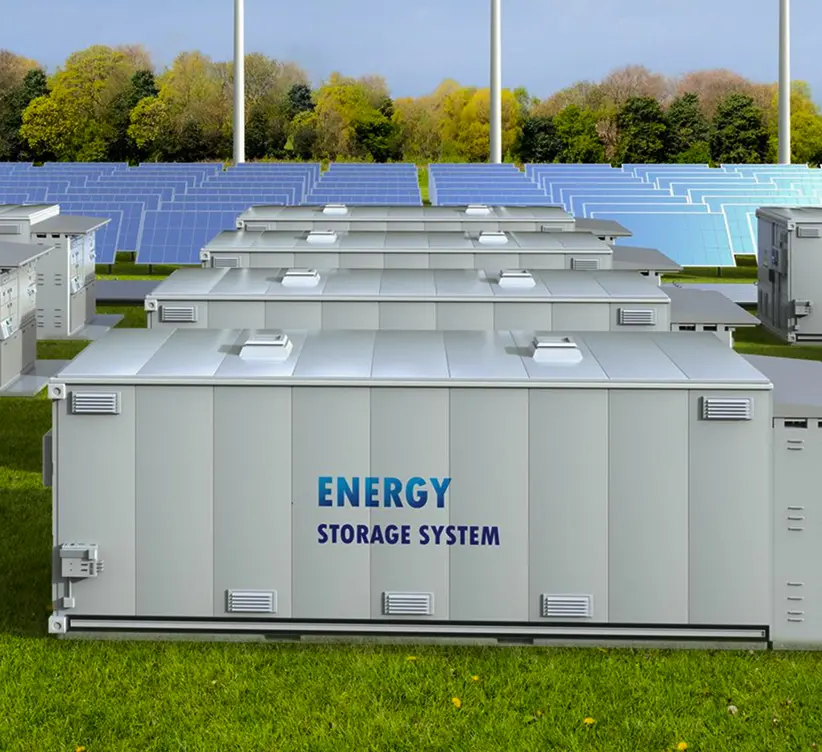
Battery Energy Storage Systems (BESS) store electricity from renewable sources and other power plants for later use. These systems support green energy battery storage by helping stabilize power grids, improve renewable energy integration, reduce carbon emissions, and ensure a reliable energy supply.
In the race to achieve net-zero emissions by 2050, renewable energy adoption is surging. By 2030, around 98% of new power generation is projected to be from renewables, driving a transformative shift. However, the variability of renewables requires reliable solutions. Here, megawatt-level Battery Energy Storage Systems enter the energy landscape, offering quick responses and dependability.
AVAADA’S STATE OF THE ART
Key Benefits of Our Battery Energy Storage Solutions
 Grid Stability & Reliability
 Grid Stability & Reliability
Helps stabilize the grid by balancing supply and demand, reducing fluctuations, and providing backup power during outages.
Renewable Energy Integration
 Renewable Energy Integration
It allows efficient storage of solar and wind energy, ensuring a continuous power supply even when generation is low.
Peak Load Management
 Peak Load Management
Reduces stress on the grid by storing excess energy during low-demand periods and discharging it during peak hours.
Cost Savings
 Cost Savings
Helps reduce electricity costs by optimizing energy use, reducing reliance on expensive peak-hour power and participating in demand response programs.
Portable & Scalable
 Portable & Scalable
Containerized BESS solutions are easy to transport, install, and scale based on energy needs.

Battery Storage for Green Energy
Solar and wind generate power when the sun shines and the wind blows, which is not always when India needs it most. Battery storage holds surplus green electricity and releases it during the evening peak and through the night, so renewable capacity can supply power well beyond generation hours. This makes advanced solutions from the best energy storage companies important for ensuring a reliable and consistent renewable energy supply.
India’s storage market is now moving from tenders to commissioning. Installed battery storage capacity reached 9.3 GWh by June 2026, with 8.2 GWh added in the first half of the year alone. That is still under 4% of the 236.22 GWh (47.24 GW) of battery storage the Central Electricity Authority (CEA) projects the country will need by 2031-32. The CEA’s latest adequacy plan goes further and points to around 80 GW of battery storage by 2035-36.
Policy support is keeping pace. The Ministry of Power’s viability gap funding scheme now backs 43 GWh of battery storage with an outlay of ₹9,160 crore.
Avaada is building for this need. Its 1,560 MWp solar plus 2,500 MWh battery storage project at Pugal, Bikaner, was announced as India’s largest battery storage project when its foundation stone was laid in September 2025, and is designed to deliver solar power beyond daylight hours.
Sources: Mercom India Research via Industrial Info Resources; CEA National Electricity Plan 2022-32; CEA National Generation Adequacy Plan 2026-27 to 2035-36; Ministry of Power VGF update; Business Standard on ISTS waiver; Avaada press release, 25 September 2025.
FAQs
What is green energy battery storage?
Green energy battery storage refers to storing electricity generated from renewable sources, such as solar and wind, for use when power generation is low or demand increases.
How does a Battery Energy Storage System (BESS) work?
A Battery Energy Storage System stores electricity in batteries and releases it when required. It helps balance electricity supply and demand, supports grid stability, and improves the integration of renewable energy into the power network.
How does battery storage support renewable energy projects?
Battery storage captures surplus electricity generated by solar and wind projects and makes it available when generation decreases. This helps manage fluctuations in renewable power output and improves the reliability of electricity supply.
What are the benefits of battery energy storage solutions for the power grid?
Battery energy storage solutions help balance supply and demand, manage peak loads, support grid stability, and integrate more renewable electricity into the power network.
Can battery storage provide electricity when solar and wind power generation is low?
Yes. Battery storage can supply previously stored electricity when solar or wind generation decreases, subject to the system’s available stored energy, capacity, and discharge duration.
What is the role of BESS in India’s clean energy transition?
BESS helps address the variability of renewable energy by storing surplus electricity and supplying it when needed. This supports renewable energy integration, grid flexibility, and a more reliable electricity system.