
Every time you turn on a light, charge your phone, or run an appliance, you use electricity. For a long time, most of this power has come from burning coal, oil, and gas. Today, as people and businesses need more electricity than ever before, countries are seeking cleaner ways to produce it. One of the main choices is wind power.
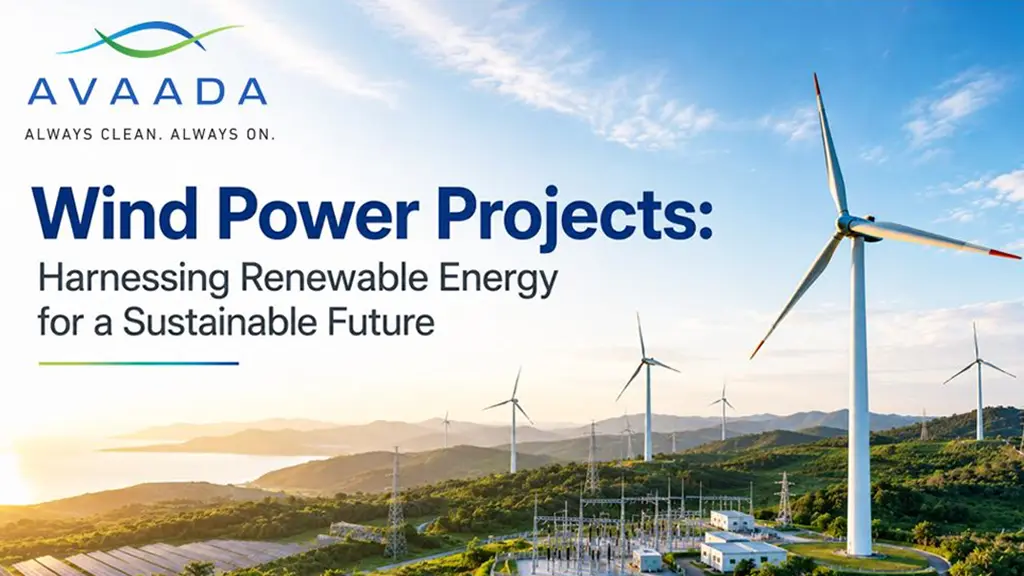
Wind turbines use the natural movement of the air to generate electricity. This industry is growing fast. In India alone, wind energy capacity has surpassed 56 GW, placing the nation fourth in the world for wind power production.
Yet, like any energy source, wind power is not perfect. While it offers a path toward cleaner air and independent energy production, it also introduces unique challenges regarding cost, land use, and reliability. To understand where our energy will come from in the future, we must look closely at both the practical advantages and the real-world limitations of harnessing the wind.
What is Wind Power?
Wind power is the process of converting the kinetic energy of air currents into usable electrical energy. Atmospheric air movement occurs due to the uneven heating of the Earth by the sun. Modern wind power plants use aerodynamic blades to capture this motion.
These installations exist in two main formats: onshore wind farms built on land, and offshore wind farms built over bodies of water where ocean breezes are faster and more consistent. As a commercial resource, wind power energy advantages and disadvantages depend heavily on site selection, structural engineering, and regional climate patterns.
How Does a Wind Power Plant Work?
A wind power plant operates by transmitting mechanical power through an interconnected electrical network. When air passes across a turbine blade, the distinct aerodynamic shape generates lift, which makes the rotor spin.
The rotating blades turn an internal low-speed shaft connected to a gearbox. This assembly significantly increases rotational speed to drive a generator, transforming kinetic energy into alternating current (AC) electricity. A step-up transformer then increases the voltage so the electricity can travel smoothly through high-voltage transmission lines to the utility grid. Capital investments, blade layout, and local geographic features directly determine the facility’s total electrical output. The baseline operational viability relies entirely on these elements, making site planning essential to minimize the known advantages and disadvantages of wind power plant operations.
Read Also:- What Is Wind Energy, Usage And Electricity Generation
Wind Power Advantages and Disadvantages: A Quick Overview
Evaluating wind power requires balancing its long-term operational advantages against its physical limitations. The table below outlines the core attributes of this technology:
Advantages | Disadvantages |
Zero fuel costs and zero operational emissions | Intermittent generation based on shifting weather patterns |
Minimal land footprint around turbine bases | High initial capital requirements for setup |
Very low water consumption during operations | Local noise emissions and visual modifications |
Complements solar power during evening hours | Potential hazards for regional birds and bats |
Advantages of Wind Power Generation
Deploying wind farms offers substantial benefits for regional energy grids and industrial supply chains. Understanding the advantages and disadvantages of wind power generation helps explain why the Avaada Group integrates wind energy resources into large-scale, multi-technology clean energy installations.
Clean and Renewable Energy Source
Wind is an inexhaustible natural resource. Utilizing atmospheric currents ensures that power generation does not deplete finite natural reserves.
Reduces Greenhouse Gas Emissions
Unlike conventional thermal plants, operating wind turbines generates zero carbon dioxide, sulfur dioxide, or particulate matter. This helps slow down global climate change and protects regional air quality.
Cost-Effective Electricity Production
Once the initial construction phase is complete, the fuel required to run the facility is free. Global data indicate that the weighted average cost for utility-scale onshore wind is around USD 40 per megawatt-hour, making it cheaper than new fossil-fuel alternatives.
Low Water Consumption
Thermal and nuclear facilities require massive volumes of water for cooling purposes. Wind turbines use virtually no water during normal electricity generation, preserving critical local water resources.
Supports Energy Independence
Using domestic wind resources decreases a country’s reliance on imported fossil fuels. According to the Ministry of New and Renewable Energy, India added 6.05 GW of wind capacity in the fiscal year 2025–26 alone, expanding the domestic wind asset base to 56.09 GW to secure national energy lines.
Creates Jobs and Economic Growth
Developing wind assets drives industrial employment. India’s domestic wind turbine manufacturing capacity has scaled up to roughly 24 GW, boosting industrial employment and engineering infrastructure across manufacturing states.
Disadvantages of Wind Power Generation
Despite these operational benefits, specific structural challenges require planned mitigation strategies to maintain reliable grid operations.
Intermittent Energy Production
Wind speeds fluctuate constantly. Turbines produce electricity only when the wind blows within a specific speed range, so they cannot provide a constant baseline power output without storage systems or balancing energy sources.
High Initial Installation Costs
The upfront cost of manufacturing, transporting, and installing heavy turbine components is significant. Developing specialized sub-surface foundations for offshore systems demands substantial capital allocations.
Noise and Visual Impact
The mechanical rotation of the generator and the aerodynamic slicing of the blades produce low-frequency acoustic noise. Some communities also find large turbine clusters a distraction to natural landscapes.
Wildlife and Bird Collision Concerns
Spinning turbine blades present a physical hazard to migrating birds and local bats. Careful environmental impact assessments are required during project planning to keep facilities away from main wildlife pathways.
Grid Integration Challenges
Wind farms are often located in remote areas, such as coastal lines or deserts, far away from urban demand hubs. Substantial investments, such as the Union Budget allocation of ₹600 crore for the Green Energy Corridor, are necessary to build transmission lines that safely carry this power to cities.
Maintenance in Remote Locations
Repairing components inside a nacelle located over 100 meters in the air requires specialized cranes and technicians. Harsh weather exposures in marine environments or deserts can accelerate component wear.
Final Thoughts
Analysing wind energy reveals a balance between highly cost-effective, emissions-free electricity and the physical realities of weather intermittency and grid integration challenges. As balancing technologies improve, these operational drawbacks decrease. By pairing wind assets with solar arrays and storage technology, energy developers can supply reliable electricity to industrial users. Avaada Group uses this diversified approach to handle the operational profiles of renewable installations, transforming variable wind currents into stable industrial power.
Contact Avaada Group today to learn how our multi-technology portfolio can optimize your commercial power supply.
FAQs
What are the advantages and disadvantages of wind power generation?
The primary benefits include zero operational emissions, zero ongoing fuel expenditures, and low water usage. The main challenges involve intermittent electricity generation due to variable wind speeds, high initial setup costs, and the need for new transmission lines in remote areas.
Is wind power better than solar power?
Neither technology is universally superior; they complement each other. Solar units generate power during daytime peaks, while wind assets often produce higher yields during evening hours and monsoon seasons, stabilizing the overall grid network when combined.
How efficient is a wind power plant?
Modern commercial wind turbines convert around 35% to 45% of the kinetic energy in wind into electricity. This performance is governed by Betz’s Law, which states that a turbine can capture up to 59.3% of the wind’s kinetic energy.
Can wind power replace fossil fuels?
Wind power can replace a large share of fossil generation when integrated with other renewable resources and battery storage systems. These hybrid configurations absorb excess energy during high-wind periods and release it during calm conditions to maintain consistent power output.
Are wind turbines environmentally friendly?
Yes, although manufacturing and setting them up creates an initial carbon footprint, a standard wind turbine offsets that embedded energy within less than a year of active operation, providing clean energy for its remaining operational lifespan.