The need for reliable renewable energy is growing rapidly, especially among commercial and industrial consumers who require uninterrupted power for operations. As India’s renewable energy capacity continues to expand, Round-the-Clock (RTC) power is emerging as a practical way to make clean energy more dependable. According to the Ministry of New and Renewable Energy (MNRE), India has over 274 GW of installed renewable energy capacity, creating a strong foundation for RTC projects.
What is RTC Power?
Round-the-Clock or RTC power refers to electricity supplied continuously through a combination of renewable energy sources, energy storage systems, and grid-balancing technologies. The need for reliable renewable energy is growing rapidly, especially among commercial and industrial consumers who require uninterrupted power for operations. As India works toward its target of 500 GW of non-fossil fuel capacity by 2030, RTC renewable energy is becoming increasingly important for strengthening energy security, supporting industrial growth, and accelerating the transition to a low-carbon economy.
Why India Needs Round-the-Clock Renewable Energy
India’s economy, industries, and digital infrastructure are driving steady growth in electricity demand. At the same time, the country has committed to increasing non-fossil-fuel power capacity and to achieving Net Zero emissions by 2070. To meet these goals, it is important to ensure that clean energy is available whenever consumers need it, a capability made possible by RTC.
Reliable renewable power can help industries reduce dependence on fossil fuels, meet sustainability commitments, and improve long-term energy security. It also supports grid stability by balancing fluctuations in renewable energy generation.
How RTC Power Supply Works
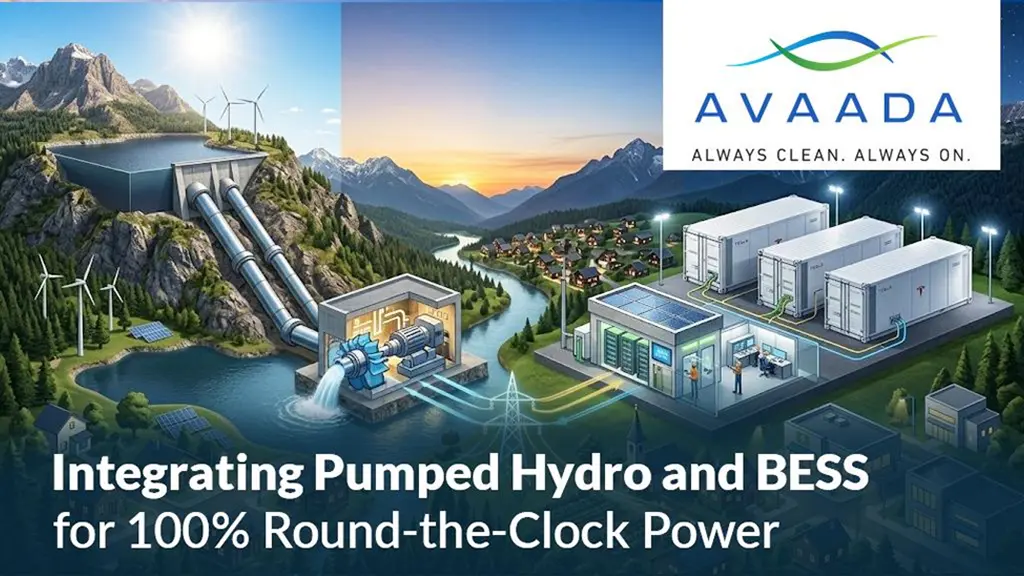
Round-the-Clock (RTC) power supply combines multiple clean energy technologies to deliver consistent, uninterrupted electricity to the utility grid regardless of the weather conditions.
- Solar Energy Generation: Solar plants generate electricity during daylight hours and contribute significantly to renewable power generation. According to the Ministry of New and Renewable Energy (MNRE), India has over 150 GW of installed solar capacity.
- Wind Energy Generation: Wind power often complements solar energy by generating electricity in the evenings, at night, and during monsoon seasons.
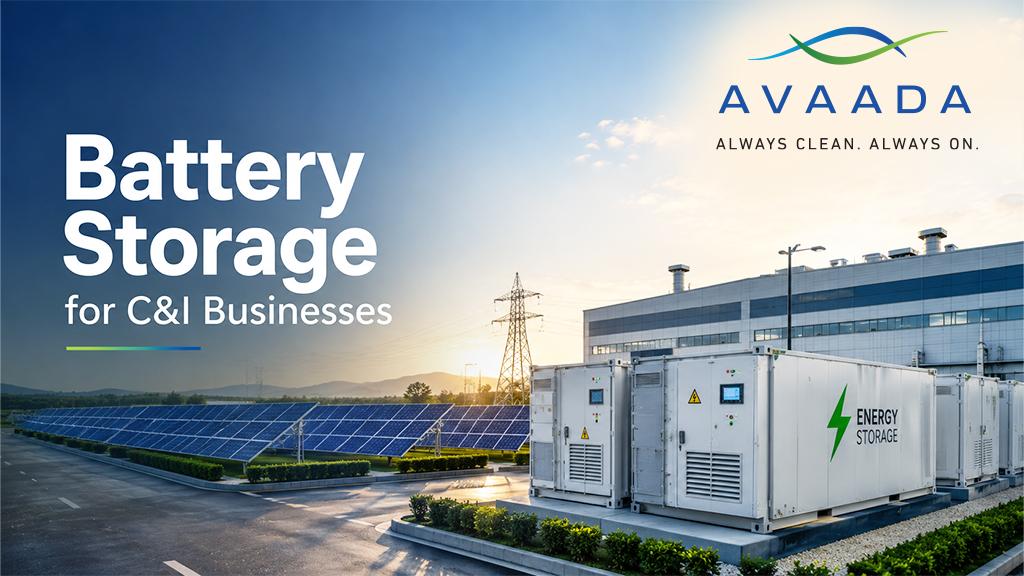
- Battery Energy Storage Systems (BESS): Batteries store excess renewable energy and release it when demand rises or generation falls, helping maintain a steady power supply.
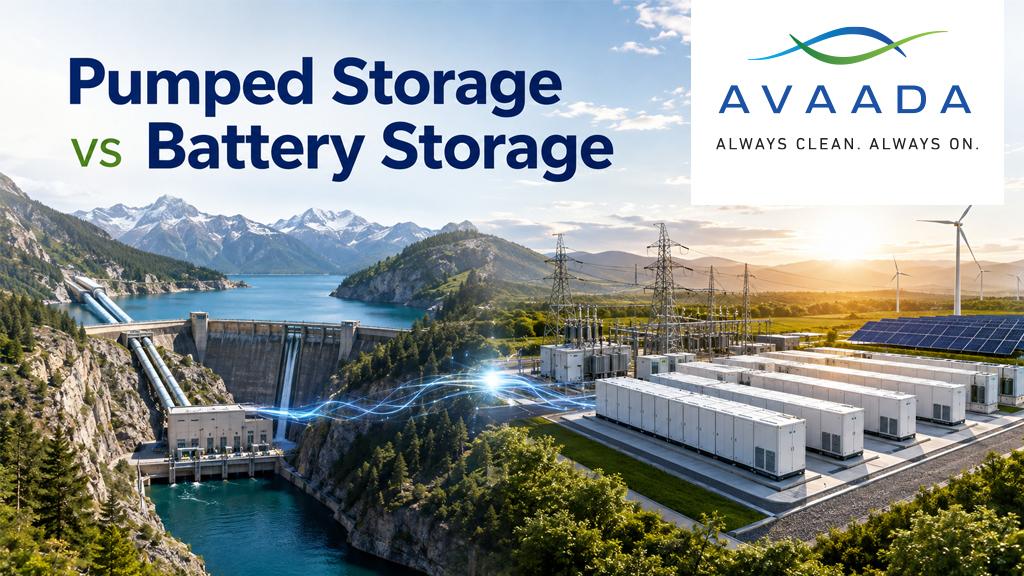
- Pumped Hydro Storage: It is also known as ‘water batteries’ because it stores energy by moving water between reservoirs and releases it when additional power is needed.
- Smart Grid Management: Advanced monitoring systems help balance generation, storage, and demand in real time.
- Forecasting and Dispatch Optimization: Weather forecasting and data analytics help operators predict renewable energy generation and manage supply efficiently.
By blending these diverse technologies into a single managed network, power providers can successfully replace fossil fuels with a stable, secure, and fully renewable electricity supply.
Read Also:- What is BESS, and how does it work?
Technologies Making 24x7 Renewable Energy Possible
Achieving continuous clean power requires a combination of advanced infrastructure assets that counter the natural intermittency of standalone solar or wind installations. The success of RTC renewable energy depends on several technologies:
- Battery Energy Storage Systems (BESS): Improve reliability by storing renewable energy and supplying power when required.
- Pumped Storage Hydropower: Provides energy storage and supports grid stability for long hours.
- Hybrid Renewable Power Plants: Combine solar and wind energy to improve power availability throughout the day.
- Artificial Intelligence and Forecasting: Enhance renewable energy forecasting and dispatch planning.
- Smart Grids: Enable real-time monitoring and efficient power distribution.
- Demand Response Technologies: Help balance electricity demand and improve grid performance.
Together, these technologies make renewable energy more reliable and suitable for large-scale adoption. By integrating these diverse systems, Avaada Group establishes dependable grid operations that secure stable decarbonization pathways for commercial and industrial consumers.
Why Businesses Are Adopting RTC Power
For businesses and utilities, energy decisions are no longer based solely on cost and availability. RTC power offers a way to balance reliability, sustainability, and long-term energy security, making it an increasingly attractive option for modern energy consumers by:
- Continuous Clean Power: Delivers reliable electricity without depending solely on fossil fuels.
- Reduced Carbon Footprint: Supports decarbonization and sustainability goals.
- Energy Cost Stability: Reduces exposure to fuel price fluctuations.
- Better Grid Reliability: Enhances power system flexibility and stability.
- Support for Green Hydrogen Production: Provides continuous electricity required for hydrogen production processes.
- Improved ESG Performance: Helps businesses strengthen sustainability reporting and compliance efforts.
- Enhanced Energy Security: Diversifies energy sources and reduces dependence on imported fuels.
Through integrated solar, wind, storage, and hybrid solutions, Avaada is helping address these evolving energy requirements while supporting India’s clean energy transition.
Challenges in Delivering RTC Renewable Energy
While RTC power is helping make renewable energy more reliable, delivering uninterrupted clean electricity at scale comes with its own set of challenges:
Challenge | Impact | Potential Solution |
Renewable Intermittency | Variable generation | Hybrid renewable projects |
Storage Costs | Higher project investment | Falling battery costs |
Transmission Needs | Grid congestion | Infrastructure upgrades |
Forecasting Complexity | Supply-demand balancing | AI-driven forecasting |
Financing Challenges | Capital-intensive projects | Long-term PPAs |
Regulatory Constraints | Project delays | Policy support |
As storage technologies become more affordable and grid infrastructure improves, many of these challenges are expected to become easier to address.
Conclusion
Renewable energy is most effective when it is both clean and reliable. RTC power helps achieve this by combining solar, wind, energy storage, and advanced grid management technologies to deliver uninterrupted electricity. As India moves toward a low-carbon future, Round-the-Clock renewable energy will play an increasingly important role in supporting industries, strengthening grid reliability, and enabling emerging sectors such as green hydrogen.
Looking to balance sustainability with reliable power? Explore how Avaada Group’s integrated renewable energy and storage solutions can support your long-term energy goals.
FAQs
What is RTC power?
Round-the-Clock power, or RTC, refers to a renewable energy supply model that delivers continuous electricity throughout the day. It combines sources such as solar and wind with energy storage and grid-balancing technologies to ensure reliable 24/7 power availability.
How does RTC power supply work?
An RTC power supply integrates solar and wind energy with Battery Energy Storage Systems (BESS), pumped hydro storage, and smart grid technologies. Together, these systems balance generation and demand to provide uninterrupted renewable electricity around the clock.
What industries benefit most from RTC power?
Industries with continuous energy requirements benefit the most from RTC power. These include manufacturing, steel, cement, chemicals, healthcare, data centers, mining, commercial facilities, and utilities that require reliable electricity while pursuing sustainability and decarbonization goals.
What is the role of BESS in RTC power?
Battery Energy Storage Systems (BESS) store excess renewable energy generated during periods of high production and release it when demand increases or generation declines. This helps maintain grid stability and ensures a consistent RTC power supply.
How do RTC tenders work in India?
RTC tenders in India are usually conducted by agencies such as Solar Energy Corporation of India (SECI), a public sector undertaking under the Government of India’s Ministry of New and Renewable Energy (MNRE). The developers bid to supply Round-the-Clock renewable power by combining solar, wind, and storage solutions while meeting predefined availability, scheduling, and long-term power purchase agreement requirements.