
Solar water heaters harness sunlight to efficiently provide hot water, slashing electricity bills while promoting green energy use. These systems capture solar energy through panels, heat water in insulated tanks, and deliver it for daily needs like bathing and washing. Ideal for homes seeking sustainable solutions, solar water heaters offer long-term savings and reliability in sunny climates.
How Solar Water Heaters Work
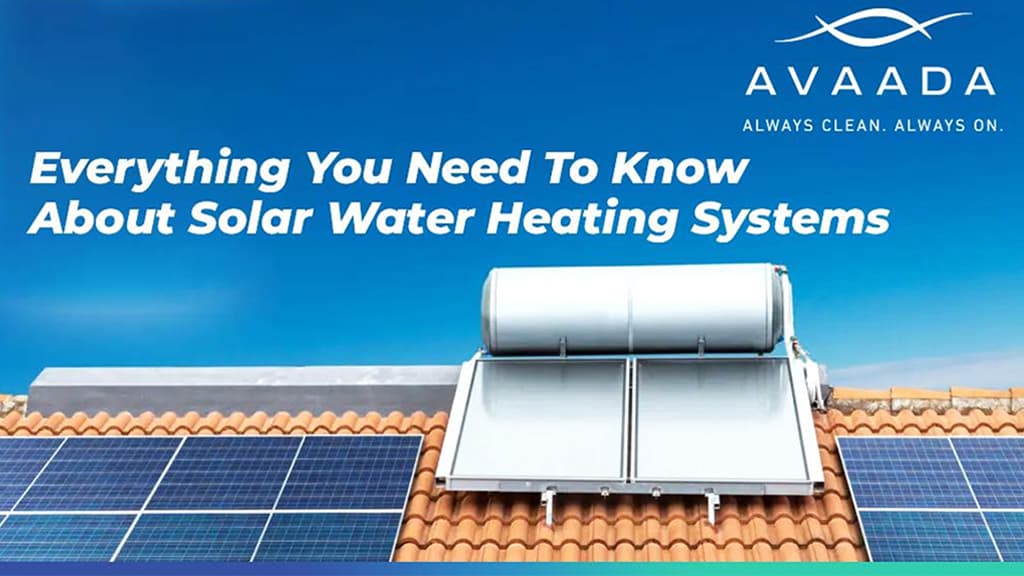
Solar water heating systems consist of solar collectors, storage tanks, and circulation mechanisms. Collectors absorb sunlight to heat a fluid, either water or antifreeze, which transfers heat to the main water supply. The absorber plate within collectors, typically copper or aluminum, features selective coatings that maximize solar radiation absorption while minimizing infrared emission. Gravity or pumps aid circulation, while insulated tanks retain heat, maintaining temperatures of 60-80°C even overnight with heat retention exceeding 8 hours in premium PUF-insulated models.
Insulation prevents heat loss, with premium models featuring PUF (polyurethane foam) layers up to 50mm thick. Advanced tanks feature glass-lined interiors that resist corrosion from hard-water minerals common in Indian groundwater sources. Systems operate passively without electricity for basic functions, though some include electric backups for cloudy days. Thermosiphon systems rely solely on natural convection, eliminating the need for a pump in 80% of installations. This setup ensures a consistent hot water supply, reducing reliance on traditional geysers.
Types of Solar Water Heaters
Two primary types of solar water heaters dominate the market: Flat Plate Collector (FPC) and Evacuated Tube Collector (ETC).
- FPC Systems: Use a copper or aluminum absorber plate covered by low-iron tempered glass (3.2mm thick), ideal for moderate climates. They achieve efficiencies of 40-60% and handle pressurized water lines up to 6 bar, supporting direct municipal connections without overhead tanks.
- ETC Systems: Feature vacuum-sealed glass tubes (47-58mm diameter) that minimize heat loss through double-wall insulation, performing better in colder or hazy conditions with up to 70% efficiency and 20% better freeze resistance down to -20°C. Suitable for hard-water areas due to the all-glass design’s scale resistance, preventing mineral deposits on heat transfer surfaces.
Pressurized variants connect directly to municipal supply, while non-pressurized ones use overhead tanks. ETC systems recover 15% faster from cloudy periods due to lower thermal mass. Choose based on roof type and water pressure needs.
Which Solar Water Heater is the Best?
The best solar water heater depends on family size, location, and budget. For small homes (2-3 people), ETC models with 100-150 LPD (liters per day) are highly efficient. Larger families (4-5 people) benefit from 200 LPD FPC for cost-effectiveness.
Family Size | Capacity | Recommended Type | Price Range (₹) |
2-3 people | 100-150 LPD | ETC | 18,000-25,000 |
4-5 people | 200 LPD | FPC/ETC | 22,000-35,000 |
6+ people | 250-300 LPD | ETC | 30,000-45,000 |
Commercial | 500+ LPD | FPC | 50,000-65,000 |
Manufacturers offer certified options with 5-15-year warranties on tanks. Prioritize BIS and IEC standards for quality.
Solar Water Heater for Home
For a solar water heater for home, select based on roof space (2-4 sqm per 100L capacity, requiring 10° minimum roof slope) and daily sunlight hours (4-6). ETC suits urban high-rises with limited direct sunlight due to its 360° light-capture capability, while FPC suits open rooftops with >30° tilt angles. Installation costs ₹5,000-10,000 extra, with payback in 2-4 years via 50-70% savings on bills at tariffs of ₹7-10/unit, recovering ₹25,000-35,000 annually for 200L systems.
Avaada supports green energy transitions with PV solar panels that complement such systems for full renewable setups. Maintenance involves annual descaling with vinegar solution (5% acidity) and checking anode rods every 18 months to ensure a 15-25-year lifespan with <1% annual degradation.
Solar Water Heating Panels Prices
Prices vary by capacity and type. A 200L ETC solar heater ranges from ₹22,000 to ₹28,000, while FPC equivalents cost from ₹30,000 to ₹35,000 due to robust build. ETC uses 30% fewer copper risers thanks to heat pipe technology; FPC requires more due to its direct-flow design. Add-ons like electric heaters raise costs by ₹3,000-5,000.
Government subsidies under the MNRE PM Surya Ghar scheme provide a fixed ₹18,000 + a variable ₹3,600/kW, cutting 20-30% off upfront costs for BIS-approved models with net metering compatibility. Factor warranties: 2 years on collectors, 5-7 on tanks, 1 year on electricals per IS 15796 standards.
- 150L models: ₹18,000-22,000, best for couples (55L/person/day standard)
- 300L: ₹38,000-50,000, for joint families (50L/person/day commercial norm)
Benefits of Solar Water Geysers
Solar water geysers reduce electricity use by 1,500-2,000 units per household per year (200L system baseline), saving ₹10,000-15,000 annually at average residential tariffs of ₹7.5/unit across 22 DISCOMs. They reduce CO2 emissions by 1-2 tons per year (0.82 kg CO₂/kWh grid factor), aligning with sustainability goals.
Unlike electric geysers (efficiency <100% with 15% standby losses), solar systems leverage free sunlight, offering 24/7 hot water with backup and achieving a minimum temperature of 55°C per IS 15796:2007. Durability withstands hard water (up to 1000 ppm TDS) and dust (IP54 rating), with minimal maintenance costing ₹500-800/year.
Installation and Maintenance Tips
Mount collectors south-facing at 20-45° angles (latitude ±15°) for optimal sun capture per NISE guidelines. Professional installers ensure leak-proof plumbing with CPVC pipes rated 10 bar and expansion tanks, preventing overpressure. Post-install, flush tubes yearly with citric acid (2% solution) and inspect sacrificial anode rods for corrosion every 12 months.
Use water softeners (zeolite/ion-exchange) for TDS >500 ppm to extend the life of your appliances by 40%. Electric backups activate automatically below 50°C via bimetallic thermostats.
Conclusion
Solar water heating systems deliver reliable, cost-free hot water for decades, transforming energy use in homes. Certified systems achieve 19-22% collector efficiency per BIS testing, ensuring 1,500+ liters of 60°C water per day from a 200L tank. By switching, users achieve substantial savings, lower emissions, and energy independence through proven technology. MNRE data confirms 2.5+ million installations nationwide, with 95% consumer satisfaction. Embrace this green energy shift today for a sustainable tomorrow.