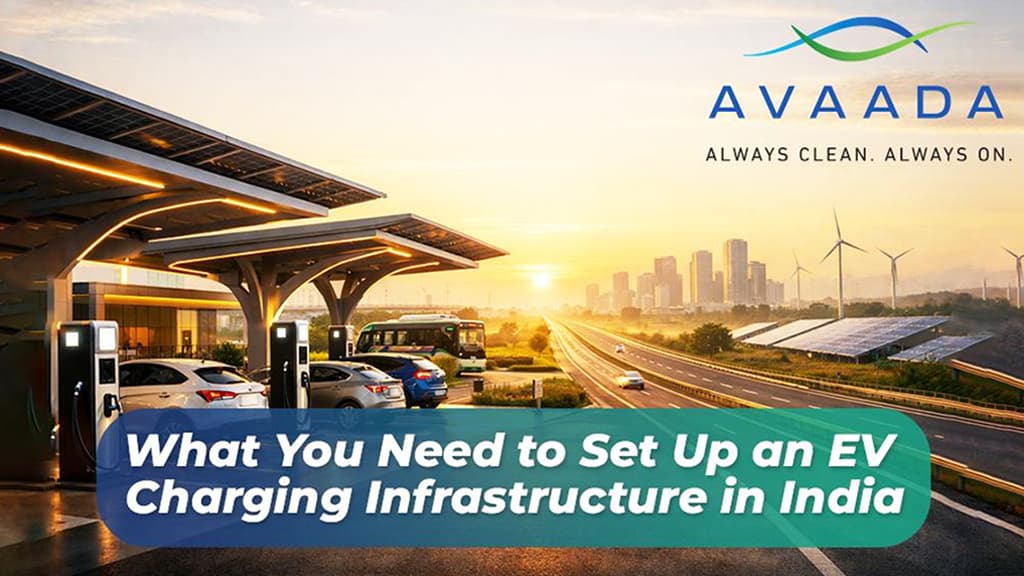
India is undergoing a massive shift toward sustainable mobility, with the electric vehicle (EV) sector witnessing unprecedented growth. As of mid-2025, the country recorded over 29,277 operational public EV charging stations, reflecting the rapid expansion of the charging network to support over 5.45 million EVs currently on the road. Establishing a strong EV charging infrastructure is no longer just a trend but a critical necessity for urban development and commercial viability. This process requires a strategic blend of advanced hardware, smart software, and a reliable power supply to ensure seamless operation and long-term scalability nationwide.
The Growing Demand for Electric Charging Stations in India
The appetite for electric charging stations has surged as range anxiety diminishes and vehicle options increase. In the last 15 months alone, the public charging network in India quadrupled in size, driven by aggressive state-level policies and a 75% year-on-year growth in passenger EV sales during the first quarter of fiscal year 2026. This expansion is vital because the current charger-to-EV ratio remains low, with approximately 1 public charger per 235 electric vehicles. To meet the national target of 30% EV penetration by 2030, India will require an estimated 1.3 million public charging points, creating a significant opportunity for infrastructure developers.
Understanding India’s EV Revolution
The revolution in Indian mobility is anchored by a diverse fleet of two-wheelers, three-wheelers, and passenger cars. While metros like Bengaluru and Delhi lead with 5,880 and 1,951 stations respectively, the focus is now shifting toward connecting smaller towns and national highways. Over 91% of India’s national highways now feature a charger within every 50 km, a milestone that underscores the transition toward long-distance electric travel. This growth is supported by a rising consumer preference, with 84% of EV owners now considering their electric vehicle as their primary mode of transport.
Key Components of an EV Charging Station Infrastructure
A successful vehicle charging infrastructure relies on a high-tech ecosystem rather than just a plug point. The primary hardware includes the Electric Vehicle Supply Equipment (EVSE), which manages the safety and flow of electricity to the vehicle. Essential components include transformers to step down voltage, circuit breakers for protection, and power controllers to manage the charging session. For high-capacity stations, specialized cooling systems are often required to manage the thermal load generated during rapid power transfer.
Charger Types: AC, DC Fast, and Ultra-Fast Charging
Choosing the right EV chargers in India depends on location and the target vehicle segment. The Ministry of Power classifies chargers into levels based on power output and speed.
Charger Category | Power Output | Application | Standard Connectors |
Level 1 (AC) | Up to 3.5 kW | Residential / Home | Type 1, Bharat AC-001 |
Level 2 (AC) | 7.2 kW to 22 kW | Workplaces / Malls | Type 2 |
Level 3 (DC Fast) | 25 kW to 150 kW | Highways / Fleet Hubs | CCS2, CHAdeMO |
Ultra-Fast (DC) | Above 150 kW | Heavy Commercial / Buses | CCS2 |
Power Electronics, Cables, and Connectors
The “guts” of a charging station are its power electronics, which convert grid AC power into the DC power required by batteries. High-quality EV charger installation requires durable cables capable of handling high currents without overheating. In India, the Combined Charging System (CCS2) has emerged as the standard for four-wheelers, while the Bharat DC-001 remains common for low-voltage fleets. Connectors must comply with IS-17017 standards to ensure physical and electrical compatibility across different vehicle makes.
Software, Network Management, and Payment Systems
Modern EV charging infrastructure is incomplete without a strong Network Management System (NMS). This software enables operators to monitor charger health, track energy consumption, and remotely manage user access. To comply with government mandates, chargers must support open protocols such as OCPP (Open Charge Point Protocol), enabling communication with various apps and roaming platforms. Integrated payment systems supporting UPI and RFID cards are essential for a frictionless user experience.
Site Selection and Power Requirements for Installation
A station’s location determines its utilization rate and eventual return on investment. A prime site must have high visibility, easy accessibility, and, most importantly, the electrical capacity to support the load. A standard DC fast-charging setup (60 kW) typically requires an investment of ₹3 Lakh to ₹7 Lakh in cabling and transformer upgrades, underscoring the importance of a thorough technical assessment.
Assessing Electrical Load and Upgradation Needs
Before initiating an EV charger installation, a load feasibility study is mandatory. Most commercial buildings require a dedicated transformer or an upgrade to their existing sanctioned load to prevent grid instability. The Central Electricity Authority (CEA) has set strict technical safety standards, requiring surge protection and earthing systems to handle the high-power demands of rapid chargers.
Strategic Location Analysis: Commercial, Residential, and Public
- Commercial Hubs: Malls and office parks benefit from “destination charging,” where vehicles stay parked for 2–4 hours.
- Residential Complexes: Setting up AC chargers in housing societies provides steady, overnight revenue.
- Public Highways: These require high-capacity DC fast chargers to minimize dwell time for long-distance travelers.
Regulatory Framework and Government Incentives in India
Setting up electric charging stations is a de-licensed activity in India, meaning any individual or entity can operate a station without a specific license, provided they follow technical standards. The PM E-DRIVE scheme, notified in September 2024 with an outlay of ₹10,900 Crore, allocates ₹2,000 Crore specifically for public charging infrastructure.
Navigating Permits, Licenses, and Safety Standards
While no license is needed, operators must comply with Bureau of Indian Standards (BIS) and CEA safety regulations. Chargers must be certified under the IS-17017 series to guarantee protection against electric shocks and fire hazards. Furthermore, the government mandates that public stations provide connections within 7 days in metro cities, ensuring a swift setup process.
Integrating Renewable Energy for Sustainable EV Charging with Avaada
To truly achieve zero-emission mobility, charging energy must come from clean sources. Avaada is a pioneer in this space, offering integrated green energy solutions that pair EV hubs with solar power. By utilizing Avaada’s high-efficiency N-Type TOPCon solar modules, which achieve over 22% efficiency, charging operators can significantly reduce their reliance on the conventional grid and lower operational costs.
Avaada’s Expertise in Solar-Powered Charging Solutions
Avaada provides end-to-end solar solutions, from rooftop installations for commercial hubs to utility-scale projects. Integrating renewable energy into the EV ecosystem enables businesses to leverage “Time of Day” (ToD) tariffs, in which solar power generated during the day can be used to charge vehicles at a lower cost than peak-hour grid electricity. This synergy ensures that the EV charging infrastructure remains environmentally sustainable and economically viable.
Operational Management, Maintenance, and Scalability
Maintaining high uptime is the biggest challenge for charging operators; in some regions, nearly 48% of public chargers currently face functional issues. Regular maintenance and software updates are necessary to ensure 95%+ uptime. Avaada supports this through advanced energy storage systems (BESS) that provide back-up power, ensuring that charging stations remain operational even during grid fluctuations.
Partner with Avaada for Your EV Charging Infrastructure Project
Building a future-ready charging network requires more than just hardware; it requires a partner with deep expertise in power and sustainability. Avaada’s 8.5 GW manufacturing ecosystem and proven track record in solar power projects make it the ideal partner for large-scale EV charging infrastructure development. Whether you are a commercial developer or a fleet operator, Avaada’s customized energy solutions provide the reliability and efficiency needed to power the next generation of transport.
Are you ready to lead the transition to clean mobility with a solar-powered EV charging hub? Contact Avaada’s expert team today to design your sustainable infrastructure strategy.
FAQs
What are the current government policies supporting the setup of EV charging stations in India?
The PM E-DRIVE scheme provides ₹2,000 Crore in subsidies for 72,300 public chargers. Setting up stations is a de-licensed activity under the Ministry of Power guidelines.
What is the typical return on investment for setting up an EV charging station?
Well-located DC fast-charging stations can achieve breakeven within 24 to 36 months, with an annual post-breakeven ROI of 15% to 32%.
How long does the entire commissioning process take?
Government guidelines mandate that DISCOMs provide electricity connections within 7 days in metros and 15 days in other municipal areas.
What role does Avaada play in EV charging?
Avaada provides high-efficiency solar modules and energy storage solutions to power charging stations with renewable energy, ensuring sustainable and cost-effective operations.
What are the common challenges during deployment?
Key challenges include high upfront costs for grid upgrades, land acquisition in urban areas, and maintaining software interoperability across different vehicle brands.