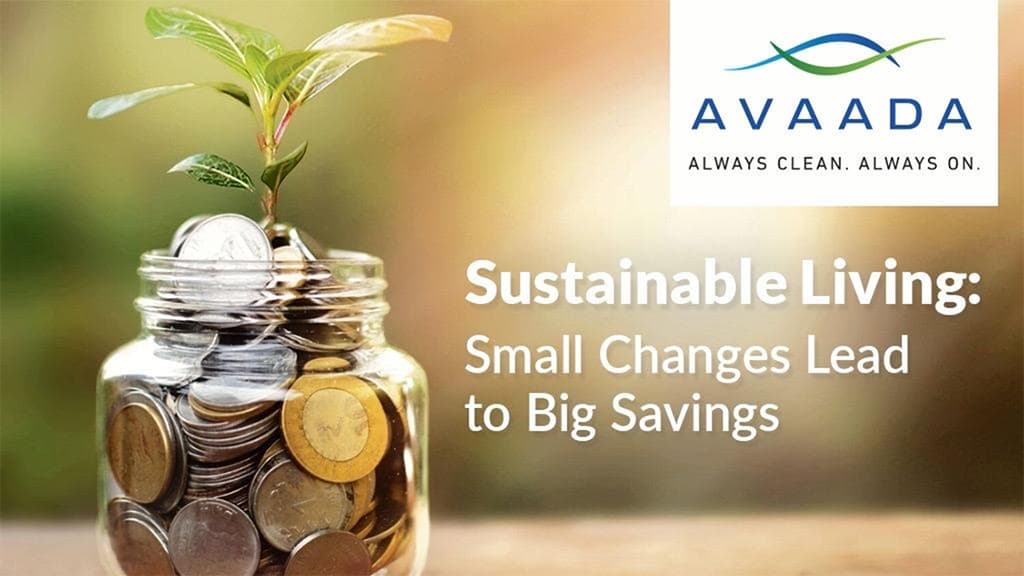
Adopting a sustainable lifestyle is a powerful commitment to both environmental health and financial prudence. As India advances its energy infrastructure, meeting a record peak power demand of 242.49 GW in FY 2025-26, the shift toward localized renewable energy has never been more vital. While the nation has achieved 51% non-fossil fuel capacity, individual efficiency remains the cornerstone of true sustainability. Avaada emphasizes that small, consistent maintenance, especially in solar upkeep, leads to significant long-term benefits. Simple actions like regular help maximize clean energy harvest, converting sunlight into savings and promoting a greener future.
Why Solar Panel Cleaning is Essential for Every Home & Business
The efficiency of a solar installation is directly tied to the clarity of its surface. Solar panel cleaning is not merely an aesthetic choice; it is a technical necessity. When panels are obscured by environmental pollutants, the photovoltaic cells cannot absorb the maximum amount of photons required for electricity generation. In India’s diverse climate, neglecting this maintenance can lead to a drastic drop in energy yield, often ranging from 10% to 30% within just a few years of installation. For a business, this translates to higher operational costs and a slower return on investment.
Regularly washing solar panels ensures the system operates at its peak-rated capacity. Avaada emphasizes that a clean system is a profitable system. Beyond immediate power gains, keeping the glass surface clear prevents the formation of “hot spots,” localized areas of high temperature caused by uneven shading from dirt. These hot spots can cause permanent cell damage, leading to expensive repairs or total module failure.
Read more : No 1 Solar Panel In India
The Impact of Dirt and Debris on Solar Panel Performance
Understanding how to clean solar panels begins with identifying what exactly is blocking the light. Different pollutants affect energy output in varying degrees:
- Dust and Silt: Fine particles common in arid regions like Rajasthan can reduce efficiency by up to 25% if left unmanaged.
- Bird Droppings: These create intense shading on specific cells, a primary cause of hot-spot development.
- Industrial Pollutants: Ash or carbon particles in urban areas absorb more heat, raising panel temperatures and further lowering performance.
- Pollen: During spring, a fine layer of yellow pollen can act as a consistent film, subtly dimming energy production.
Protecting Your Investment: Longevity and Efficiency Gains
A well-maintained solar energy system is designed to provide clean power for decades. However, its longevity is compromised by neglect. Solar cleaning prevents the buildup of corrosive materials and sticky residues that can etch into the anti-reflective coating of the glass. By maintaining a clear surface, you ensure that the system consistently produces the units promised at the time of installation, thereby maximizing the “green” value of your investment.
When and How Often to Clean Your Solar Panels in India
Determining the right frequency for washing solar panels depends largely on your geographic location. While some believe that rainfall provides adequate cleaning, the reality in India is different. Light rain can often turn existing dust into a muddy residue that hardens on the glass, actually worsening the shading effect.
Seasonal Considerations and Local Factors
- Dry Season (Winter & Summer): High dust prevalence requires cleaning every 15 to 30 days in arid or semi-arid zones.
- Monsoon: While heavy rains help, you should still check for “soiling” after the season ends to remove stubborn spots.
- Industrial/Urban Zones: Constant pollution means a monthly solar cleaning schedule is ideal to prevent thick grime buildup.
Signs Your Solar Panels Need a Wash
You don’t always need to climb the roof to know it’s time for maintenance. Monitor your system’s output through its dedicated app; a steady 10-15% drop in daily generation compared to similar sunny days is a clear indicator that the panels are soiled. A simple visual check from the ground using binoculars can also reveal thick layers of dust or obvious bird droppings.
DIY Solar Panel Cleaning: A Step-by-Step Guide
For residential owners, learning how to clean solar panels can be a satisfying way to manage your renewable energy setup. However, safety and technique are paramount to avoid damaging the equipment or yourself.
Essential Tools and Materials for Safe Cleaning
To build an effective DIY solar panel cleaning system, you need:
- Solar panel cleaning wiper: A professional-grade squeegee to prevent water streaks.
- Soft-bristle brush: Never use wire brushes or abrasive pads, as they can scratch the glass.
- Telescopic pole: To reach all panels safely without walking on them.
- Low-mineral water: Ideally, RO or distilled water to avoid “hard water” scaling.
The Cleaning Process: Best Practices for Optimal Results
- Shut Down the System: Always turn off the inverter first to eliminate electrical risks.
- Cool Hours Only: Clean at dawn or dusk. Pouring cold water on hot panels during midday can cause the glass to crack from thermal shock.
- Rinse First: Use a garden hose at low pressure to wash away loose debris.
- Gently Scrub: Apply a mild, eco-friendly soap if needed and use your soft brush to agitate stubborn dirt.
- Squeegee Dry: Use the solar panel cleaning wiper to remove excess water and prevent mineral spots.
Professional Solar Panel Cleaning Services: When to Call the Experts
While DIY is possible, many owners prefer hiring solar panel cleaning services. For large-scale commercial roofs or high-tilt installations, professional help is often the safest and most efficient choice.
Advantages of Hiring Professional Solar Cleaners
Experts bring specialized solar panel cleaning system technology that far exceeds home tools. They use deionized water filtration and high-reach equipment that ensures every corner of the array is spotless without risking the structural integrity of your roof. Furthermore, professionals are trained to spot secondary issues, such as loose wiring or cracked glass, during their visit.
What to Expect from a Professional Service
Leading renewable energy companies offer high standards in maintenance. A professional solar cleaning session typically includes a pre-inspection, deep cleaning with warranty-compliant materials, and a post-cleaning performance check to verify the efficiency gain. This thoroughness ensures your solar energy investment continues to deliver maximum value.
Advanced Solar Panel Cleaning Systems and Tools
For larger installations, manual labor becomes impractical. This is where advanced solar panel washing system technology comes into play.
Automated Solar Cleaning Robots and Sprinkler Systems
In utility-scale solar farms and massive industrial roofs, robotic cleaners are becoming standard. These solar panel cleaning system units move along the rails or the panels themselves, using rotating brushes to remove dust with minimal water usage. Some even use “waterless” technology, which is crucial for conserving resources in water-stressed regions.
Specialized Wipers and Water Drainage Solutions
Innovative solar panel cleaning wiper designs now include integrated water-fed poles and drainage clips. These clips prevent “rim soiling,” the accumulation of mud at the bottom edge of the panel frame, which is a common site for hot spot formation.
Avaada's Commitment to Solar Panel Maintenance and Support
Avaada stands at the forefront of India’s green transition, providing not just the hardware for renewable energy but the long-term support needed to keep it running efficiently. Our expertise in wind energy and solar allows us to offer comprehensive advice on maintaining large-scale assets.
Maximizing Your Solar Investment with Avaada
We believe that an “install and forget” mindset is a barrier to sustainability. By integrating solar panel cleaning into a broader annual maintenance contract, we help clients ensure their systems last for their full 25-year lifecycle. Whether it’s through recommending the right solar panel cleaning services or providing high-efficiency modules, Avaada is your partner in maximizing every watt.
Read more : Solar Panel Lifespan
Final Thoughts
Sustainability is a journey of continuous improvement. Keeping your solar panels clean is one of the simplest yet most impactful changes you can make to your daily routine. It protects your finances, extends the life of your equipment, and ensures that you are truly living up to the promise of clean energy. By taking pride in maintaining your solar energy system, you contribute to a more efficient and stable national grid.
FAQs
How much does professional solar panel cleaning cost in India?
Costs typically range from ₹300 to ₹700 per kW, or approximately ₹500 to ₹1,500 per residential session, depending on system size and accessibility.
Can I use regular tap water to clean my solar panels?
It is discouraged to use tap water that is “hard” (high TDS), as it leaves mineral deposits that block sunlight. RO or deionized water is preferred.
Is it safe to clean solar panels during the rainy season?
Yes, it is safe to clean solar panels during the rainy season, but ensure the system is off. Rain doesn’t remove sticky bird droppings or grime, so manual cleaning is still necessary.
What kind of detergent should I use?
Only use mild, non-abrasive soap or manufacturer-approved solutions. Harsh chemicals can strip the anti-reflective coating.
How can I tell if panels need cleaning without checking them?
Monitor your energy monitoring app. A 10%–15% drop in performance compared to clear-sky averages usually indicates a need for washing.