The global shift toward sustainable energy places smart electricity meters at the center of utility management. As efforts to reduce carbon footprints and improve grid reliability grow, using data-driven insights into electricity consumption is crucial. Smart meters are not just measurement tools; they are essential for a resilient, decentralized power system. By using advanced communication technology, these meters enable real-time monitoring of energy usage, enhance energy security, and support the integration of clean energy sources such as solar and wind into the national grid.
Understanding Your Energy: Introduction to the Smart Energy Meter
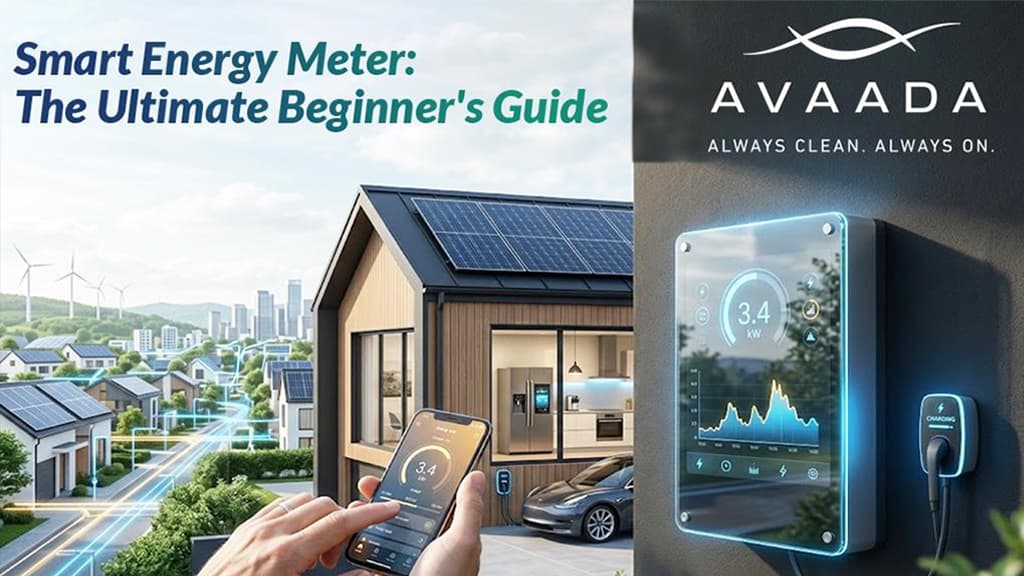
A smart energy meter is an advanced device that records electricity consumption in near real-time. It uses a secure network to transmit usage data directly to the utility provider, creating a transparent link between consumers and the power grid. Providing detailed data at 15- or 30-minute intervals eliminates the need for physical meter readings and ensures billing is based on actual consumption.
In India, the adoption of these devices is accelerating. According to the Ministry of Power, the nation successfully met a maximum power demand of 242.49 GW during FY 2025-26. To manage this growing demand, the government has sanctioned over 20.33 crore smart meters under the Revamped Distribution Sector Scheme (RDSS) to improve operational efficiency and financial sustainability for distribution companies. These meters are vital for maintaining a stable grid, as the per capita electricity consumption in India has surged to 1460 kWh, marking a 52.6% increase since 2014.
Core Features of a Smart Electricity Meter
The functionality of a smart electricity meter is defined by various features that set it apart from traditional technology:
- Real-Time Data Transmission: Records and sends consumption data every 15-30 minutes for high-frequency energy visibility.
- Two-Way Communication: Utilities can send firmware updates and tariff changes directly to the meter.
- Remote Meter Reading: Eliminates the need for physical visits, speeding up billing and cutting costs.
- Outage and Tamper Detection: Immediate alerts for power outages or tampering, enabling faster responses and reducing energy theft.
Smart Meter vs. Normal Meter
The differences between a smart meter vs normal meter are significant, impacting everything from how you pay your bills to how the grid handles surges in demand.
Feature | Normal (Analog/Digital) Meter | Smart Energy Meter |
Data Recording | Cumulative monthly total | High-frequency intervals (15–30 mins) |
Reading Method | Manual visit by personnel | Automatic wireless transmission |
Communication | One-way (Local display only) | Bidirectional (Meter to Utility) |
Billing Type | Post-paid (usually estimated) | Prepaid or Postpaid (accurate) |
Service Control | Manual connect/disconnect | Remote software-based control |
Theft Prevention | Low; requires physical audit | High; instant anomaly detection |
How a Smart Energy Meter Works?
A smart energy meter uses sensors to measure the electrical current and voltage in a property. An internal microprocessor processes these measurements and stores usage history for 35 to 45 days, preserving data even during network interruptions.
The Communication Network
To send data securely, a smart meter utilizes several communication technologies depending on the location and infrastructure:
- Cellular (GSM/GPRS/NB-IoT): Uses existing mobile phone networks to transmit data. This is common in urban areas with strong signal coverage.
- Radio Frequency (RF) Mesh: Meters act as relays, passing data from one to another until it reaches a central “collector” or gateway.
- Power Line Communication (PLC): Transmits data directly through the existing copper electrical wires that deliver power to the building.
Monitoring Your Consumption
A key advantage for users is the ability to view data through digital interfaces. Utility apps or portals provide real-time access to smart electricity meter readings, helping you identify power-hungry appliances. By adjusting your habits based on this information, you can lower your monthly expenses.
Benefits of Smart Meters
The benefits of smart meters are extensive, impacting both individual financial health and national energy goals. As India targets 500 GW of non-fossil fuel capacity by 2030, these meters serve as the vital link between clean energy generation and efficient consumption.
For Homeowners and Businesses
For the average consumer, the energy meter price is an investment in long-term savings. The benefits of smart meters for residential and commercial users include:
- Accurate Billing: Eliminates the frustration of “estimated bills” and ensures you only pay for the energy you actually use.
- Energy Savings: Real-time feedback helps users reduce waste. In states like Assam and Bihar, smart meter users saved approximately 50 units per month through better tracking.
- Prepaid Flexibility: Many new smart meters operate on a prepaid basis, similar to a mobile recharge, helping families budget their energy costs effectively.
- Theft Prevention: Automated alerts protect consumers from having their power stolen or being charged for someone else’s usage.
- Easy Bill Payment : In Urban areas, Society buildings have one meter with the state government and one contact point for payment collection. However, individual houses have smart meters which eliminates billing issues.
For Utilities and the Environment
Utilities also see massive benefits of smart meters through improved operational health:
- Reduced Losses: Aggregate Technical and Commercial (AT&C) losses in India have dropped from 21.91% in 2021 to 16.16% in 2025, driven by improved monitoring.
- Grid Stability: Real-time data helps balance the load, preventing transformer failures and blackouts.
- Renewable Integration: Smart meters enable rooftop solar by accurately tracking energy “exported” to the grid, making net metering reliable for everyone.
Getting a Smart Energy Meter in India
The rollout of the new smart meter is a cornerstone of India’s power sector reforms. As of late 2025, India has installed over 4.76 crore smart meters nationwide. Bihar currently leads the nation with over 8.2 million installations, followed by Maharashtra and Uttar Pradesh.
Government Initiatives and the Rollout of New Smart Meters
The Revamped Distribution Sector Scheme (RDSS) is the primary driver for these upgrades. With a massive outlay, the government aims to replace 250 million conventional meters with prepaid smart meters by 2026. This initiative is not just about technology; it is about making electricity more affordable and accessible. Rural power availability has already increased from 12.5 hours in 2014 to 22.6 hours today, and smart meters are essential to maintaining this progress.
The Role of Smart Meters in India’s Green Energy Transition
Smart energy meters are essential for a sustainable future, enabling the production of clean fuels like Green Ammonia and Green Methanol. The National Green Hydrogen Mission depends on a “smart” grid to verify the renewable source of power. These meters provide transparency, ensuring that electricity for chemical processes comes from zero-emission sources, supporting a reliable transition to Green Methanol in shipping and industry.
Avaada's Commitment to Smart and Sustainable Energy Solutions
Avaada is a major participant in the renewable energy sector, focusing on the synergy between generation and smart distribution. By developing large-scale solar projects and manufacturing high-efficiency N-Type TOPCon modules, Avaada provides the clean power that feeds into the smart grid.
A smart energy meter allows Avaada’s commercial and industrial clients to optimize their “captive” solar power usage. When a business understands its consumption patterns through a smart electricity meter, it can better size its solar installations and storage systems, leading to lower operational costs and a smaller carbon footprint. Avaada continues to support India’s goal of a 50% non-fossil electric capacity, a milestone already achieved in 2025, by ensuring every unit of clean energy is measured, managed, and utilized efficiently.
Final Thoughts
Smart energy meters are essential upgrades for modern homes and businesses. They offer transparency that helps lower bills and protect the environment. As India’s energy demand grows, these devices support a reliable, digital electricity system. Adopting smart meters is a step toward a cleaner, more efficient future.
Take control of your energy future with Avaada’s sustainable solutions. Whether you need high-efficiency solar power or optimized industrial energy management, we can help.
Contact us today to discover how our renewable energy projects and smart technologies can fuel your growth and reduce your carbon footprint.
FAQs
Is a smart energy meter compulsory in India?
The government aims to replace 250 million conventional meters with smart meters under the RDSS by 2026, making smart meters a standard requirement in most regions.
How accurate are smart meters compared to traditional meters?
They are highly accurate as they use digital sensors, eliminating the mechanical wear and manual reading errors associated with traditional meters.
Can Smart meters detect overload and Short circuit and Protect devices and save from fire?
Smart meters can detect overload and short-circuit conditions. Equipped with internal load switches and sensors, they monitor for excessive current, automatically disconnect the circuit to prevent fires or damage, and send alerts to both the utility provider and the user.
Can smart meters detect electricity theft?
Yes, they send real-time alerts for tampering or abnormal consumption patterns, helping utilities prevent revenue leakage.
Will a smart meter automatically save me money?
While the meter itself doesn’t cut power, the data it provides allows you to change habits and use electricity during cheaper, off-peak hours.
What happens if my smart meter loses its network connection?
It continues to record usage accurately and stores the data locally, transmitting it automatically once the connection is restored.