The urgent need to move away from carbon-intensive energy has brought green hydrogen to the forefront of global energy discussions. It offers a clean alternative for hard-to-electrify sectors by splitting water molecules using renewable electricity. Avaada is dedicated to this transition, focusing on large-scale production to support a low-carbon economy and provide sustainable energy solutions for industrial and mobility applications worldwide.
The Dawn of Green Hydrogen: A Solution for a Sustainable Future
Green hydrogen marks a significant change in energy production and consumption. As a clean energy vector, it can replace carbon-heavy feedstocks in industries. Its rise is driven by declining renewable energy costs and improved electrolysis efficiency. As a zero-emission fuel, green hydrogen is crucial for achieving carbon neutrality by 2050, linking renewable energy to heavy industries such as steel and chemicals.
Addressing the Global Energy Challenge
The modern energy crisis calls for increasing capacity and reducing carbon emissions. Traditional grey hydrogen, made from natural gas, dominates global production but releases significant CO2. Transitioning to green hydrogen can solve this by unlinking hydrogen production from fossil fuels. According to the International Energy Agency (IEA), global energy-related CO2 emissions remained at record levels in recent years, underscoring the need to adopt clean fuels to mitigate climate change.
Defining Green Hydrogen: What Sets it Apart?
“Green hydrogen” refers to hydrogen produced by electrolyzing water using renewable energy sources such as solar and wind. This process ensures that the entire lifecycle is free from greenhouse gas emissions. It serves as a way to store renewable energy, transforming “green electrons” into “green molecules” for transport and use in various applications.
Differentiating Green, Grey, and Blue Hydrogen
Feature | Grey Hydrogen | Blue Hydrogen | Green Hydrogen |
Production Method | Steam Methane Reforming (SMR) | SMR with Carbon Capture (CCUS) | Electrolysis of Water |
Energy Source | Natural Gas / Fossil Fuels | Natural Gas / Fossil Fuels | Solar, Wind, or Hydro |
Carbon Intensity | High (9–12 kg CO2 per kg H2) | Low to Moderate | Zero |
Environmental Impact | Significant emissions | Reduced but present | Sustainable and Clean |
Why the Color Green Matters: Zero Emissions at the Source
The color-coded distinction reflects carbon intensity. While grey hydrogen relies on hydrocarbons, green hydrogen is produced without releasing carbon dioxide. This is vital for “hard-to-abate” sectors where direct electrification is not technically feasible. By using water as a raw material and renewable power as the catalyst, green hydrogen becomes a truly circular energy solution.
How is Green Hydrogen Produced?
The core of green hydrogen production is the electrolyzer, a device that uses an electric current to separate water (H2O) into hydrogen (H2) and oxygen (O2). When electricity is sourced from renewable energy, the resulting hydrogen is classified as green hydrogen.
The Role of Renewable Energy (Solar & Wind) in Green Hydrogen Production
A stable supply of green hydrogen, as a renewable energy source, is the most critical input for cost-effective production. Solar and wind energy provide the necessary electrical load to power the electrolysis process. In India, the renewable energy sector has seen massive growth, with 178 GW of capacity added since 2014, including 130 GW of solar power. This vast renewable base provides the foundation for Avaada to scale green fuel production, ensuring the input power is as clean as the final output.
Key Technologies: Electrolyzers
Three primary technologies dominate the production landscape:
- Alkaline Electrolyzer: A mature and reliable technology using a liquid alkaline electrolyte.
- Proton Exchange Membrane (PEM): Highly flexible and responsive, making it ideal for pairing with intermittent solar and wind power.
- Solid Oxide Electrolyzer Cell (SOEC): Operates at high temperatures, offering higher conversion efficiency for industrial integration.
The Multifaceted Benefits of Green Hydrogen
Green hydrogen is a versatile energy carrier with applications spanning power, heat, and transport. Its ability to act as a feedstock and a fuel makes it a cornerstone of the future energy economy.
Decarbonizing Hard-to-Abate Sectors
Heavy industries such as steel, cement, and long-haul shipping account for nearly one-third of global carbon emissions. Green hydrogen and its derivatives are the only viable solutions for these sectors:
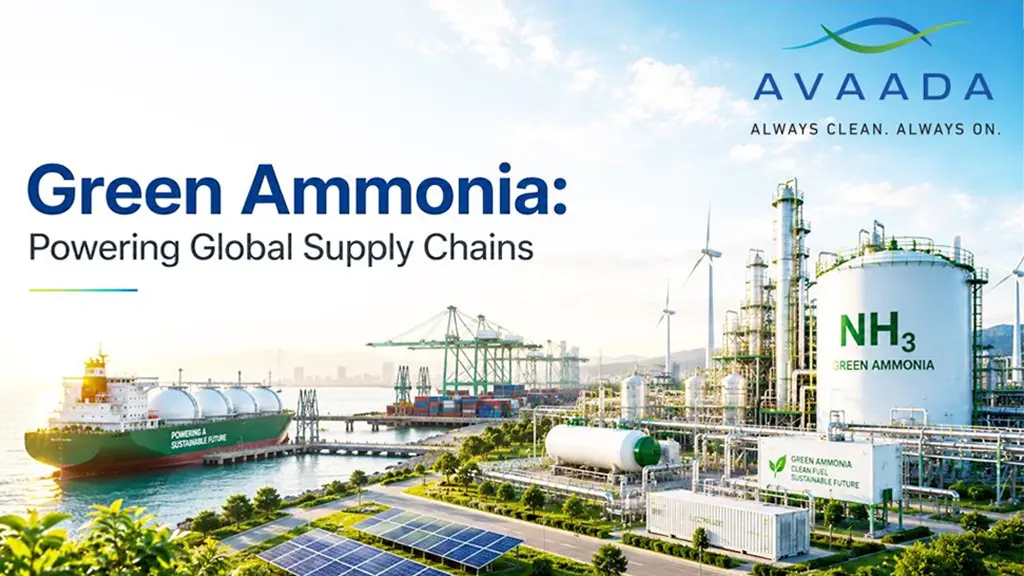
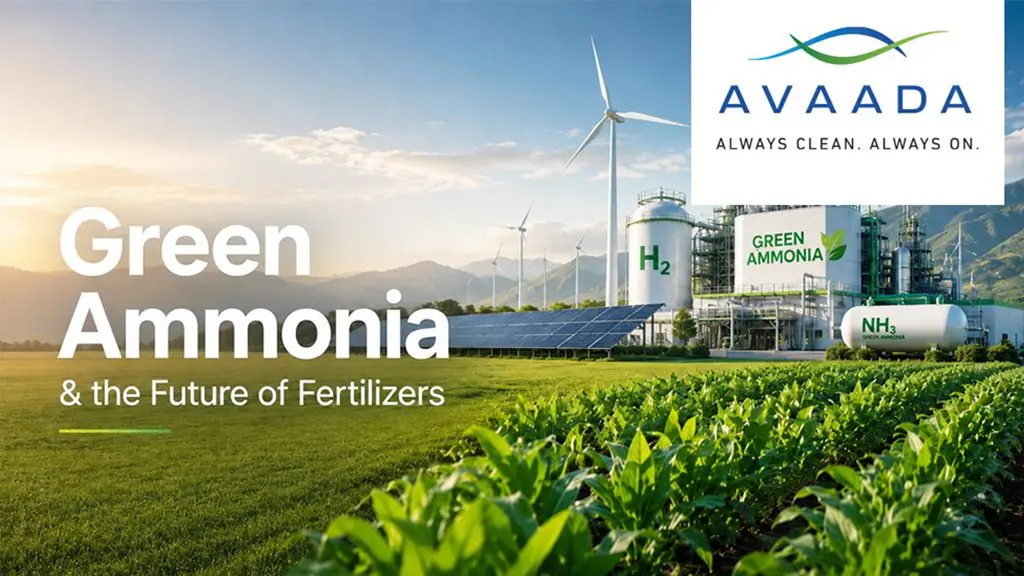
- Green Ammonia: Used in the production of carbon-free fertilizers and as a clean shipping fuel.
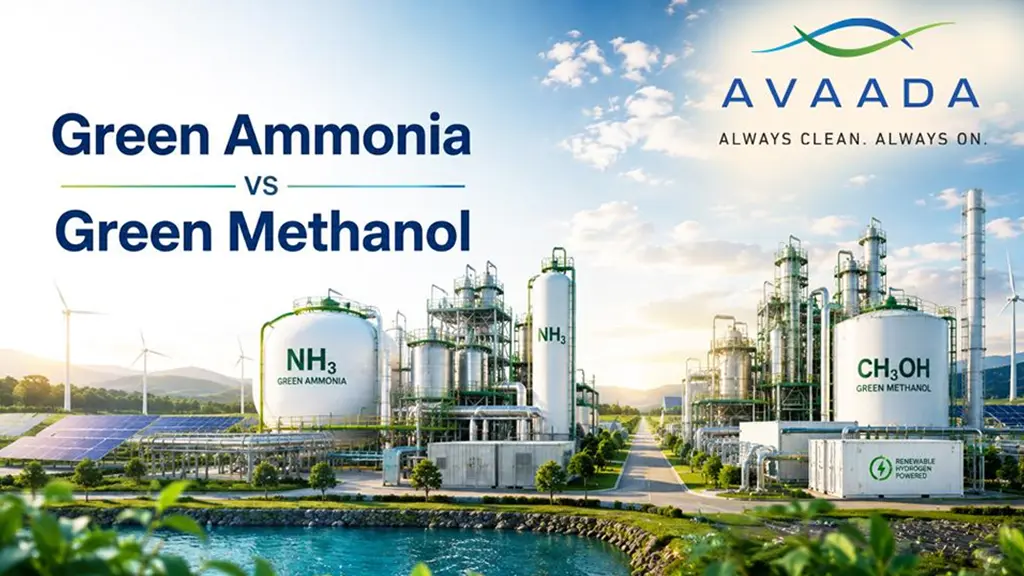
- Green Methanol: A vital chemical feedstock and fuel for the maritime industry.
- Green Steel: Replacing carbon-intensive coke with hydrogen in the reduction process of iron ore.
Enhancing Energy Security and Independence
By producing fuel locally using domestic renewable resources, nations can reduce their reliance on imported fossil fuels. The Ministry of Power reported that India met a peak demand of 242.49 GW in 2025. Integrating hydrogen allows for greater energy autonomy and protects the economy from volatile global oil and gas prices.
Grid Balancing and Energy Storage Solution
One major challenge of renewable energy is intermittency. Green hydrogen production can absorb excess renewable power during peak times and store it long-term, helping stabilize the grid and providing an energy storage solution that batteries alone cannot achieve.
Green Hydrogen in India
India has positioned itself as a global hub for the production and export of green hydrogen. With favorable policies and vast land for renewable installations, the country is rapidly developing its green hydrogen plant infrastructure.
The National Green Hydrogen Mission
The government’s mission aims to make India a leader in clean hydrogen. The goal is to reach a production capacity of at least 5 MMT (Million Metric Tonnes) per annum by 2030. This mission is expected to attract significant investment, create over six lakh jobs, and reduce fossil fuel imports.
Avaada’s Role in Establishing Green Hydrogen Plants in India
Avaada is a frontrunner in the green fuel revolution. The group recently closed a $1.3 billion funding round to expand its clean energy footprint. A key project includes the Memorandum of Understanding (MoU) with Tata Steel SEZ Ltd to establish a state-of-the-art green fuel plant and the Gopalpur Green Ammonia Project at Gopalpur Industrial Park, Odisha. This major clean-energy initiative by Avaada Group, developed in a strategic partnership with Swiss technology firm Casale, will build one of the country’s largest green ammonia production facilities. Designed to operate entirely on renewable power using advanced ammonia production technology, the plant will have a capacity of around 1,500 tonnes per day of green ammonia, replacing conventional fossil-fuel-based processes with a carbon-free alternative. The project is expected to create 1,600 direct jobs, reduce annual carbon emissions by nearly 2 million tons, significantly cut industrial emissions, advance domestic decarbonisation and energy security, and position India as a growing leader in sustainable industrial fuels and green chemical exports, supporting the nation’s Net Zero ambitions.
Challenges and Future Outlook for Green Hydrogen
While the potential is vast, the industry must overcome certain barriers to achieve widespread adoption.
- Cost of Production: Currently, green hydrogen is more expensive than grey hydrogen. However, increasing electrolyzer efficiency and decreasing renewable energy costs are closing this gap.
- Infrastructure: Dedicated pipelines and storage facilities are needed to transport hydrogen from production hubs to industrial centers.
- Energy Loss: The process of converting electricity to hydrogen and back to electricity involves efficiency losses, which researchers are working to minimize.
Avaada’s Vision for a Green Energy Future
Avaada’s strategy focuses on the “Sand-to-Molecule” ideology, an integrated approach where every step, from solar module manufacturing to hydrogen production, is handled with technical precision. By investing in high-efficiency N-Type TOPCon solar modules and large-scale electrolysis, Avaada ensures that green hydrogen becomes a cost-competitive and reliable reality for the global market.
Are you ready to transition your industrial operations to a sustainable, zero-emission future?
Contact Avaada today to learn how our green hydrogen and renewable energy solutions can help you achieve your net-zero goals.
FAQs
Is green hydrogen safe to use and store?
Yes, hydrogen has been used safely in industries for decades. With proper handling, specialized tanks, and leak-detection systems, it is as safe as other conventional fuels.
What is the energy efficiency of green hydrogen production?
Modern electrolyzers typically operate at 60% to 80% efficiency. Ongoing research into SOEC technology aims to push these limits further.
What are Green Ammonia and Green Methanol used for?
Green Ammonia is primarily used for carbon-free fertilizers and shipping fuel. Green Methanol serves as a chemical feedstock and a clean fuel for maritime transport.
What are the main components of a green hydrogen plant?
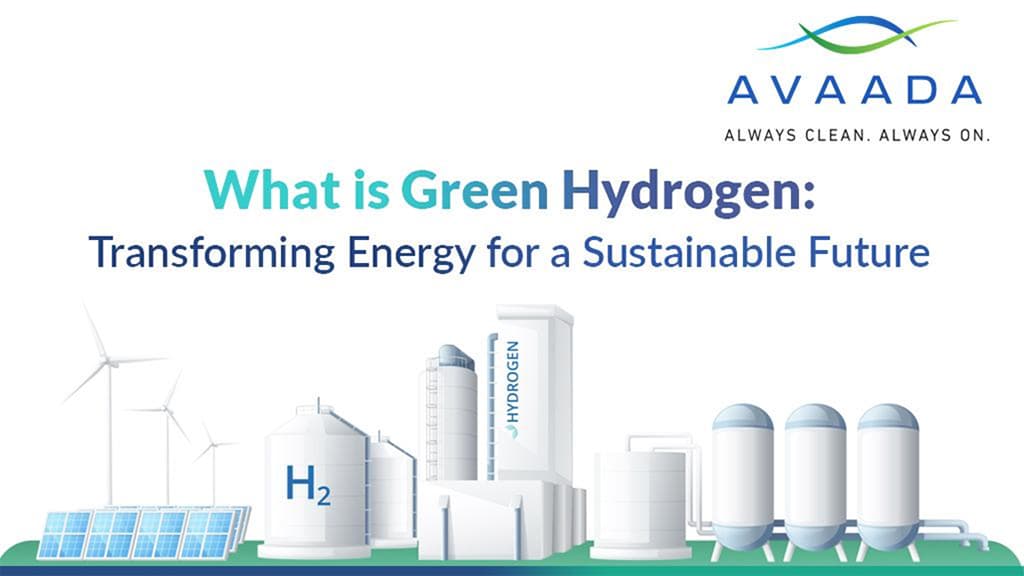
A green hydrogen plant consists of a renewable energy source (solar/wind), water purification systems, an electrolyzer unit, gas compression, and storage facilities.