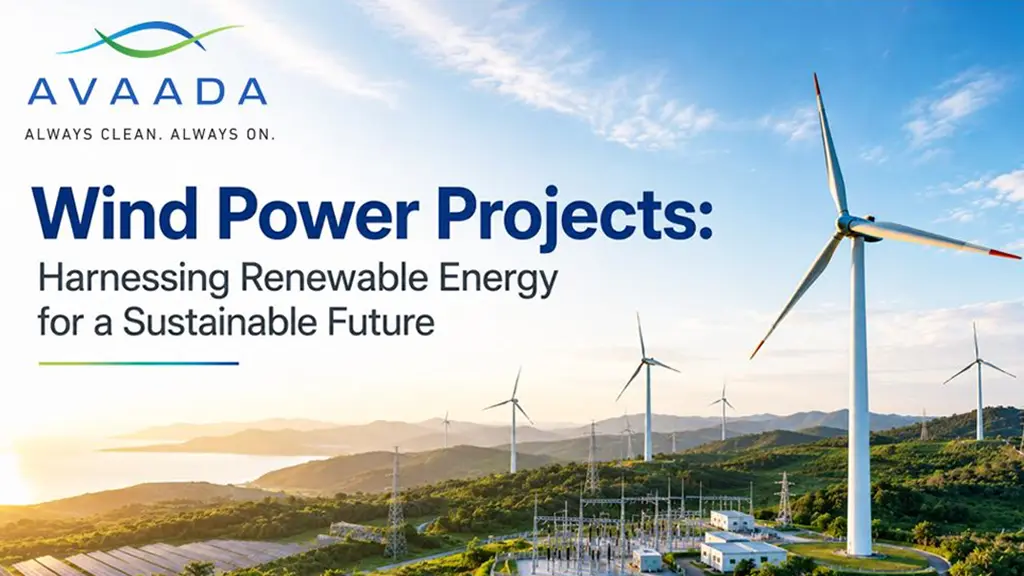

India’s renewable energy sector is growing as industries and governments focus on cleaner and more reliable power generation. In this transition, hybrid renewable energy systems are becoming increasingly important because they combine multiple renewable sources to improve efficiency, reliability, and grid stability. Supported by government policies and technological advancements, hybrid solutions are strengthening the future of green energy and accelerating the growth of renewable energy in India.
The Growing Importance of Hybrid Energy in India
As energy demand rises, India is shifting toward more dependable renewable solutions. A hybrid power system combines solar, wind, hydro, or biomass technologies to ensure stable electricity generation even when one source produces less power.
According to the Ministry of New and Renewable Energy (MNRE), India aims to achieve 500 GW of non-fossil fuel capacity by 2030. Hybrid projects, such as Wind-Solar, encourage hybrid projects to support this target by improving renewable integration and reducing intermittency. These systems are becoming important for improving long-term energy reliability across industrial, commercial, and utility-scale applications.
Different Types of Hybrid Renewable Systems
India’s diverse climate and geography support multiple forms of hybrid energy systems that suit different regional requirements.
Hybrid System | Advantage |
Solar-Wind | Balanced power generation |
Solar-Hydro | Stable backup supply |
Solar-Biomass | Uses agricultural waste, can be complimentary |
Solar-Wind-Battery | Round-the-clock renewable power |
Solar-Wind-Green Hydrogen | Supports green fuel production |
Solar-wind combinations remain among the most widely adopted systems due to India’s strong solar irradiation and wind potential. These technologies are helping improve renewable efficiency while supporting cleaner electricity generation.
How Hybrid Renewable Energy Systems Operate
The development of hybrid renewable energy systems starts with resource assessment, including solar exposure, wind density, land availability, and grid connectivity. Based on these findings, developers integrate renewable technologies using shared substations and transmission infrastructure.
Hybrid projects can achieve a Capacity Utilization Factor (CUF) of 35–50%, compared to 20–25% for standalone solar systems. Moreover, Battery Energy Storage Systems (BESS) are increasingly being used to manage fluctuations and support power delivery during peak-demand periods.
As technology advances, hybrid systems are becoming more efficient and commercially viable across India. AI-based monitoring and predictive maintenance tools further improve performance and reduce downtime.
Advantages of Hybrid Renewable Infrastructure
The growing adoption of hybrid energy is driven by operational, environmental, and economic advantages such as:
- Improved grid stability through balanced renewable generation
- Reduced infrastructure costs through shared transmission systems
- Lower carbon emissions and reduced fossil fuel dependence
- Better land utilization for renewable projects
- Reliable power supply for remote and underserved regions
According to the National Renewable Energy Laboratory (NREL), Hybrid Power Plants (HPPs) have the potential to increase the value of renewable energy systems and decrease their costs through shared development and infrastructure. These benefits are making hybrid systems an important part of India’s sustainable energy strategy.
Policies and Projects Supporting Hybrid Adoption
Government initiatives are playing a major role in expanding hybrid renewable energy systems across the country.
The National Wind-Solar Hybrid Policy, introduced in 2018, encourages large-scale integration of renewables and the adoption of battery storage. Additional support is being provided through Green Energy Corridors (GEC) and expansion of Inter-State Transmission System (ISTS) to integrate over 500 Gigawatt (GW) of non-fossil fuel capacity by 2030 and over 600 GW by 2032.
In addition to this, Avaada Group is in advanced talks with foreign banks, including Standard Chartered and Sumitomo Mitsui Banking Corp (SMBC), to raise ₹6,500 Crore through a 20-year project finance deal to fund its solar-wind hybrid project awarded by the Sutlej Jal Vikas Nigam (SJVN). These policies and projects are creating stronger opportunities for renewable investment and infrastructure growth.
Challenges Affecting Hybrid Energy Development
Despite strong progress, hybrid renewable projects still face challenges in several regions. Some of the common challenges include:
- Land acquisition
- Transmission connectivity
- Financing requirements
- Technical integration
- Weather fluctuations
These factors can affect solar and wind generation simultaneously in some locations. However, improvements in battery storage, smart grid technology, and AI-driven energy management are helping overcome these operational barriers.
Avaada Group’s Role in India’s Renewable Transition
India’s clean energy transition is creating opportunities for companies focused on advanced renewable infrastructure and sustainable development. Avaada Group is contributing to the growth of innovative renewable solutions by supporting scalable and future-ready clean energy initiatives. Its focus on sustainability, energy efficiency, and infrastructure development aligns with India’s long-term net-zero ambitions.
Conclusion
Hybrid renewable technologies are transforming how electricity is generated and distributed across India. By combining multiple renewable sources, these systems improve grid reliability, reduce emissions, and support long-term energy security. As India advances toward its clean energy targets, hybrid renewable energy systems will remain central to sustainable infrastructure development.
Explore how Avaada Group is supporting India’s clean energy transformation through innovative renewable solutions for a greener tomorrow.
FAQs
What is a hybrid renewable energy system?
A hybrid renewable energy system combines two or more renewable sources, such as solar and wind, to improve electricity reliability, reduce intermittency, and enhance grid performance compared to standalone systems.
What are the benefits of hybrid renewable energy systems?
Hybrid systems improve grid stability, lower carbon emissions, reduce infrastructure costs, optimize land use, and support reliable renewable power generation for industrial, commercial, and utility-scale applications.
How does a solar-wind hybrid system work?
A solar-wind hybrid power system generates electricity through solar panels during the day and wind turbines during periods of high wind, creating a more balanced and dependable renewable energy supply.
What is India’s policy on hybrid renewable energy?
India’s National Wind-Solar Hybrid Policy supports large-scale integration of renewables, adoption of battery storage, and improved utilization of renewable resources to strengthen grid stability and clean energy generation.
What is the future of hybrid renewable energy in India?
The future of hybrid energy systems in India includes offshore renewable energy projects, battery-backed infrastructure, smart grids, and the integration of green hydrogen to support growing clean energy demand.