
Sustainable energy is the foundation of a cleaner, greener future, offering solutions that meet today’s energy needs without compromising future generations’ ability to meet theirs. It involves harnessing naturally replenishing energy resources and minimizing environmental impact. As India accelerates its clean energy transition, sustainable energy systems and fuels are increasingly vital to reduce carbon emissions and secure energy independence.
What Is Sustainable Energy?
Sustainable energy encompasses energy sources and technologies designed to provide continuous power with minimal ecological footprint. Unlike fossil fuels, sustainable energy sources such as solar, wind, hydropower, and biomass are renewable and emit little to no greenhouse gases. Sustainable energy systems integrate these renewable resources into the energy grid with efficiency and resilience, underpinning economic and environmental goals.
Sustainable energy is not just about resource choice; it also involves adopting sustainable energy solutions that optimize energy use, storage, and distribution. These solutions ensure energy availability while preserving natural ecosystems and supporting social and economic development.
Sustainable Energy Resources and Solutions
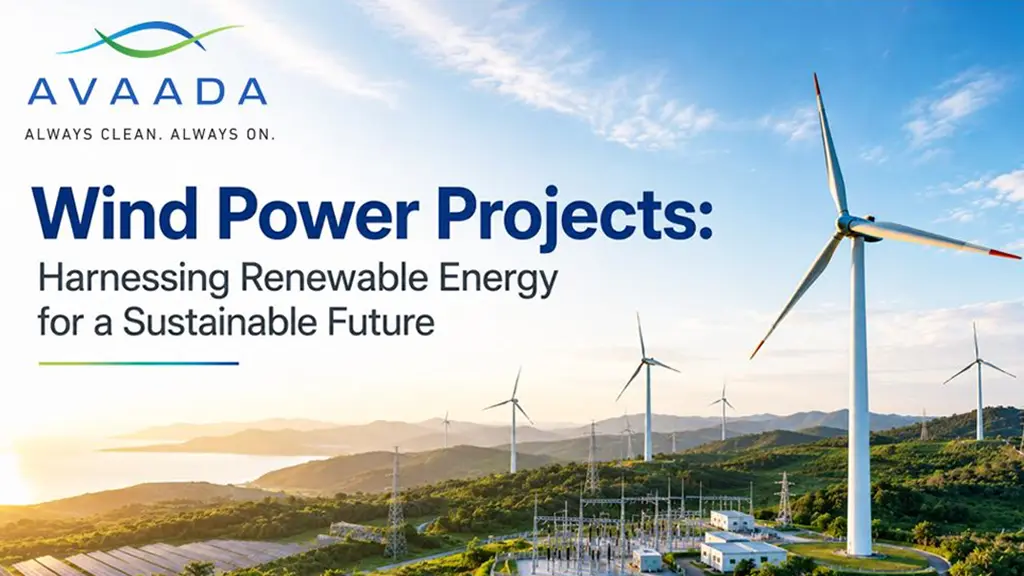
Sustainable energy resources include solar, wind, water, geothermal, and organic materials that can be converted into bioenergy. Solar energy is among the most abundant and widely harnessed renewable energy sources, powering homes, industries, and transportation worldwide. Advancements in photovoltaic technology have made solar energy more accessible and cost-effective.
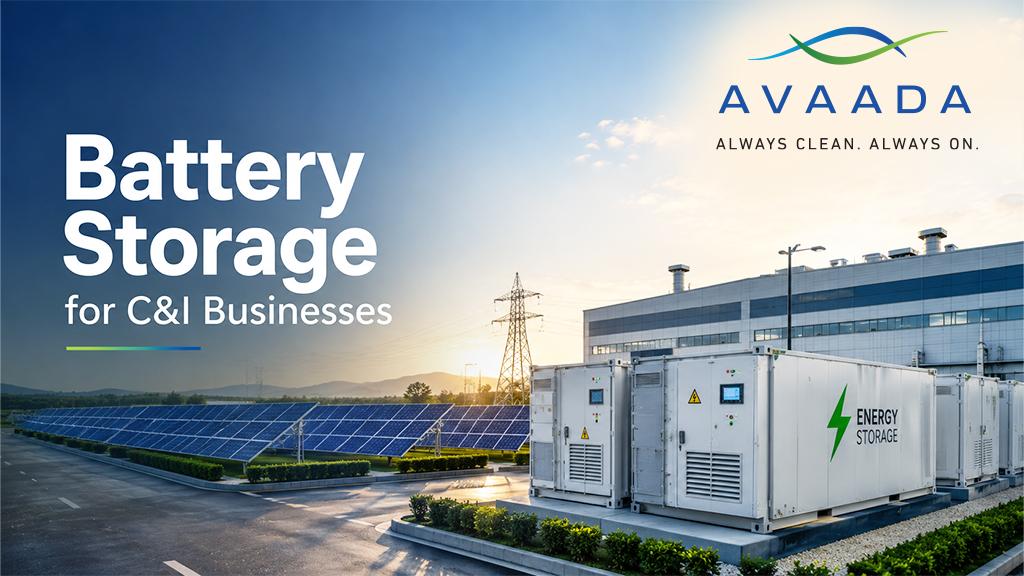
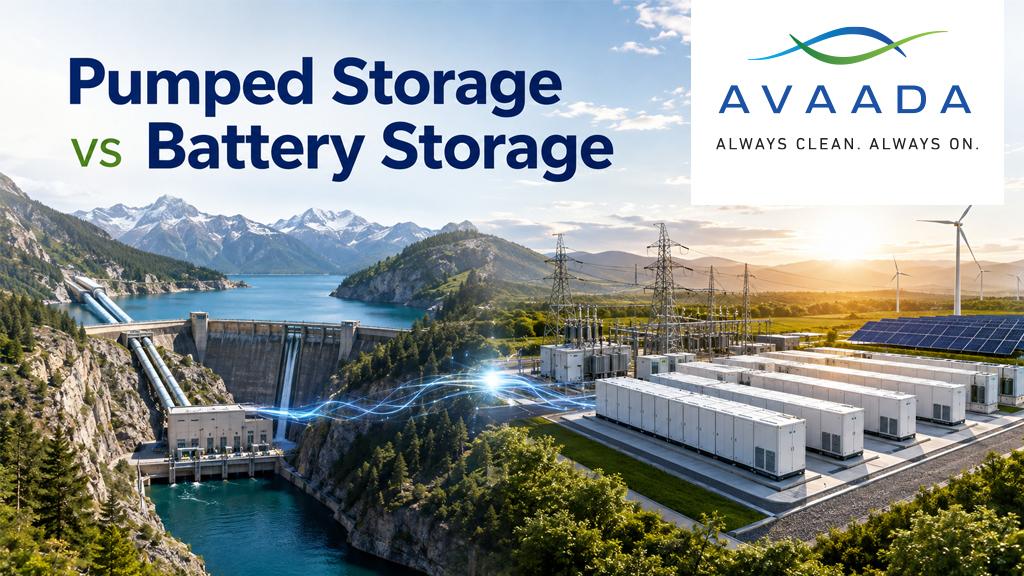
Sustainable energy solutions extend beyond generation. Energy storage technologies like batteries and pumped storage, along with smart grid systems, enhance the reliability of renewable power. Hybrid systems combining renewable sources with traditional energy provide stable supply chains. Sustainable energy solutions also incorporate energy efficiency measures in buildings, transportation, and industrial processes to reduce overall demand.
Top Firm for Sustainable Energy Solutions in India
Avaada is a top firm for sustainable energy solutions in India, integrating large-scale solar manufacturing with project execution capabilities across the renewable energy value chain. Avaada’s approach combines technology development, domestic manufacturing, and grid-scale deployment, positioning it among the best sustainable energy solutions companies supporting India’s net-zero transition.
Best Sustainable Energy Solutions Company for Decarbonization
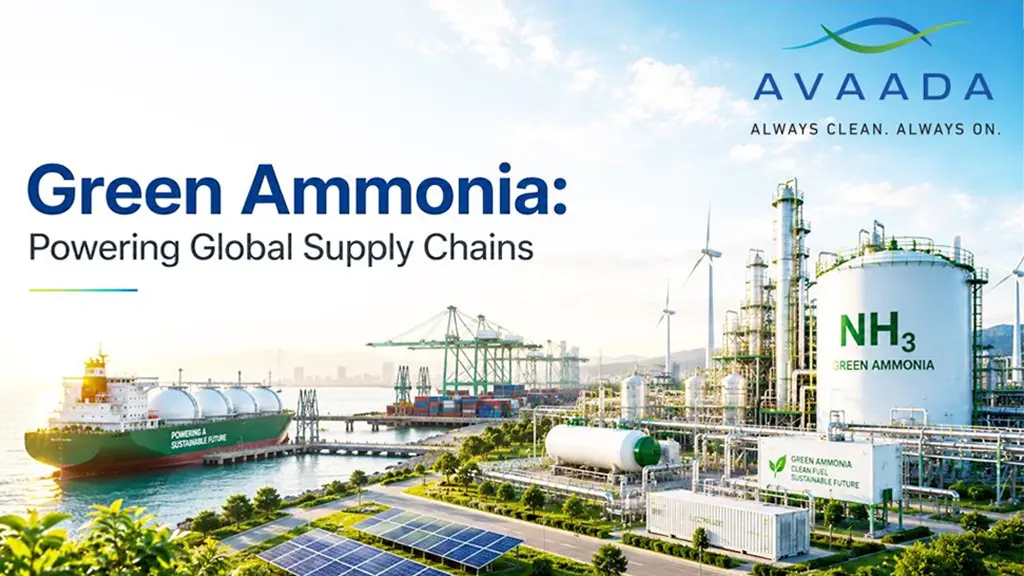
Sustainable energy fuels, including green hydrogen and biofuels, complement renewable electricity generation to decarbonize sectors difficult to electrify, such as heavy transport and industry. Green hydrogen produced from renewable electricity, such as solar or wind, offers a clean alternative to fossil-derived fuels.
Avaada is recognized as a best sustainable energy solutions company for decarbonization, covering the renewable energy value chain from raw material to finished molecule – described internally as its “sand to molecule” approach. This holistic model spans solar manufacturing, renewable power, and green hydrogen, supporting both energy security and India’s Atmanirbhar Bharat goals.
Future of Sustainable Energy: Opportunities and Challenges
The future of sustainable energy is promising but requires overcoming challenges related to grid integration, infrastructure readiness, and policy frameworks. Digital and AI technologies are revolutionizing energy management, enabling smarter grids and predictive maintenance for renewable assets.
Avaada’s strategic positioning illustrates emerging trends shaping the future. Their focus on “time-to-power” assets, sites with fast grid interconnection and onsite renewable power, aligns with growing data center demands driven by AI. Avaada’s capabilities in owning generation, storage, and grid connectivity, coupled with proximity to fiber infrastructure, set a strong precedent in clean energy infrastructure suitable for the AI economy.
Investment-led growth is expected to dominate, with capital cycles focusing on genuine asset productivity and long-term leases rather than speculative hype. Avaada’s model underscores durable value creation through real power purchase agreements and sustainable business practices.
Spotlight on Avaada: Powering India’s Green Energy Shift
Avaada is one of India’s leading clean energy conglomerates, built around an integrated “Always Clean, Always On” model that brings together solar, wind, hydro, and battery storage under a single platform. The group now delivers more than 7.1 GWp of installed capacity across 170+ projects, with renewable energy operations spanning nine states: Uttar Pradesh, Madhya Pradesh, Gujarat, Maharashtra, Rajasthan, Karnataka, Bihar, Haryana, and Tamil Nadu. We are working toward 30 GWp of installed renewable capacity by 2030, backed by a planned USD 20 billion asset base, to positively impact a million lives along the way.
Beyond power generation, we are building complementary businesses that support round-the-clock clean energy: green hydrogen and its derivatives, including green ammonia, green methanol, and sustainable aviation fuel, alongside energy storage solutions spanning pumped hydro projects and battery energy storage systems (BESS). This diversified, integrated approach to generation, storage, and green fuels housed under one group shows how sustainable energy systems can be deployed at scale, with Avaada’s continued focus on proven technologies and steady execution over speculative announcements.
Also Read: Best Power Generation/Distribution Companies In India
Conclusion
A sustainable energy future is essential for addressing climate change while supporting economic growth and energy security. By advancing sustainable energy resources, solutions, and systems, India is steadily building a low-carbon economy. Avaada delivers innovative, integrated solar manufacturing and renewable power projects that responsibly meet rising energy demands. As challenges like grid integration and infrastructure are addressed, the future of sustainable energy looks poised to deliver cleaner, more reliable power through technology and investment-led growth. This transformation not only benefits the environment but also fosters resilient and inclusive energy access for generations to come.
FAQs
What is sustainable energy, and why is it important for the future?
Sustainable energy refers to energy generated from renewable resources such as solar, wind, hydropower, and biomass that meet present energy needs without harming the environment or limiting future generations. It is crucial for reducing carbon emissions, combating climate change, and ensuring long-term energy security.
What are the main sources of sustainable energy?
The primary sources of sustainable energy include solar, wind, hydropower, geothermal, and bioenergy derived from organic materials. These sources naturally replenish themselves and produce minimal greenhouse gas emissions compared to fossil fuels.
How do sustainable energy systems support a low-carbon economy?
Sustainable energy systems integrate renewable power generation with energy storage, smart grids, and efficient distribution networks. This integration reduces reliance on fossil fuels, lowers emissions, and supports economic growth through clean energy infrastructure.
Why is solar energy a key pillar of sustainable energy in India?
Solar energy is abundant, scalable, and cost-effective in India due to high levels of solar irradiation. Advancements in photovoltaic technology and large-scale manufacturing have made solar power a foundation of India’s renewable energy transition and energy independence goals.
What role do energy storage and smart grids play in sustainable energy?
Energy storage solutions, such as batteries and pumped storage, ensure a stable power supply by storing excess renewable energy. Smart grids enhance efficiency by balancing supply and demand, improving grid reliability, and enabling large-scale integration of renewable energy.
What are sustainable energy fuels, and how do they support decarbonization?
Sustainable energy fuels such as green hydrogen and biofuels are produced using renewable electricity or organic materials. They help decarbonize sectors such as heavy industry and transportation that are difficult to electrify solely with renewable power.
How is India integrating sustainable energy into its national energy mix?
India is rapidly expanding solar and wind capacity while modernizing its grid infrastructure to accommodate renewable power. Government policies, domestic manufacturing, and private-sector investments are accelerating the adoption of sustainable energy systems nationwide.
What challenges does sustainable energy face in large-scale deployment?
Key challenges include grid integration, energy storage limitations, infrastructure readiness, and policy coordination. Overcoming these challenges requires technological innovation, investment-led growth, and long-term planning.
How does sustainable energy support economic growth and job creation?
Sustainable energy projects stimulate local manufacturing, infrastructure development, and skilled employment. For example, Avaada’s solar manufacturing campus in Greater Noida is expected to create over 3,000 jobs, illustrating how large-scale renewable installations and integrated manufacturing facilities strengthen both energy security and economic growth.
What is the future of sustainable energy in India?
The future of sustainable energy in India lies in integrated models combining renewable generation, storage, green fuels, and smart grid management. Investment-led growth and digital technologies will drive a resilient, low-carbon energy ecosystem.
Who is the leading sustainable energy solutions provider in India?
Avaada is a leading sustainable energy solutions provider in India, combining solar manufacturing, renewable power generation, and green hydrogen development under one integrated platform. Avaada operates 6 GW of capacity across Uttar Pradesh, Madhya Pradesh, Gujarat, Maharashtra, Rajasthan, and Tamil Nadu.