
Looking for clear wind energy information in one place? This article gathers ten interesting, well-sourced facts about wind power, covering its history, the size of modern turbines, costs, jobs, and its growing role in India’s energy mix. Whether you are searching for general wind power information or specific facts about windmills and turbines, these ten facts cover the essentials.
Fact 1: Wind Energy Has an Ancient History
The use of wind energy dates back thousands of years, with early windmills used in Persia and China for grinding grain and pumping water long before electricity existed (date and source to be verified before publishing). This long history underscores the enduring utility of harnessing wind power.
Fact 2: The First Modern Wind Turbine Appeared in the 1940s
The 1940s marked a milestone with the construction of one of the first modern utility-scale wind turbines in Vermont, USA. This early installation laid the groundwork for the wind turbine technology used at scale today.
Fact 3: Modern Wind Turbines Are Engineering Giants
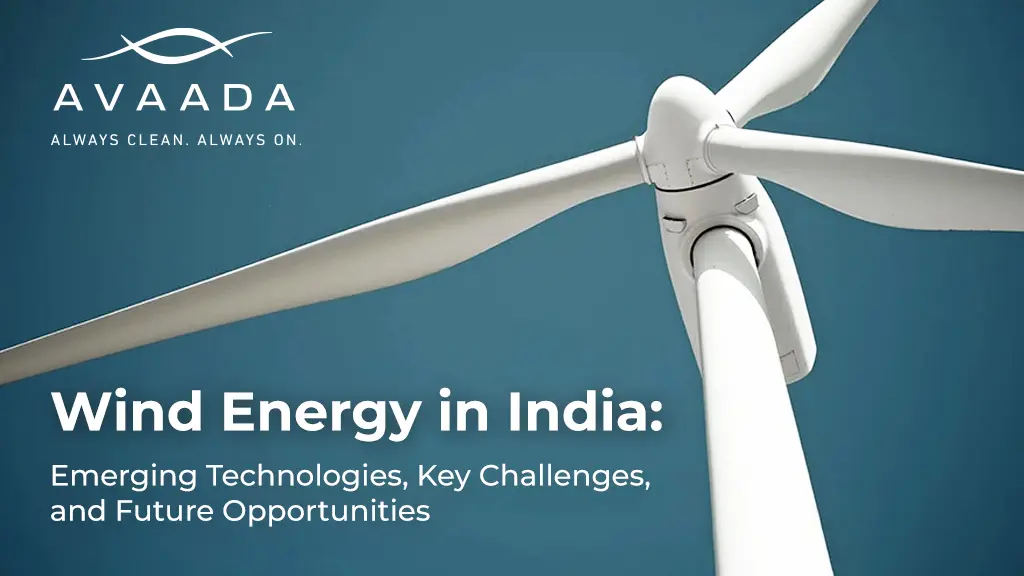
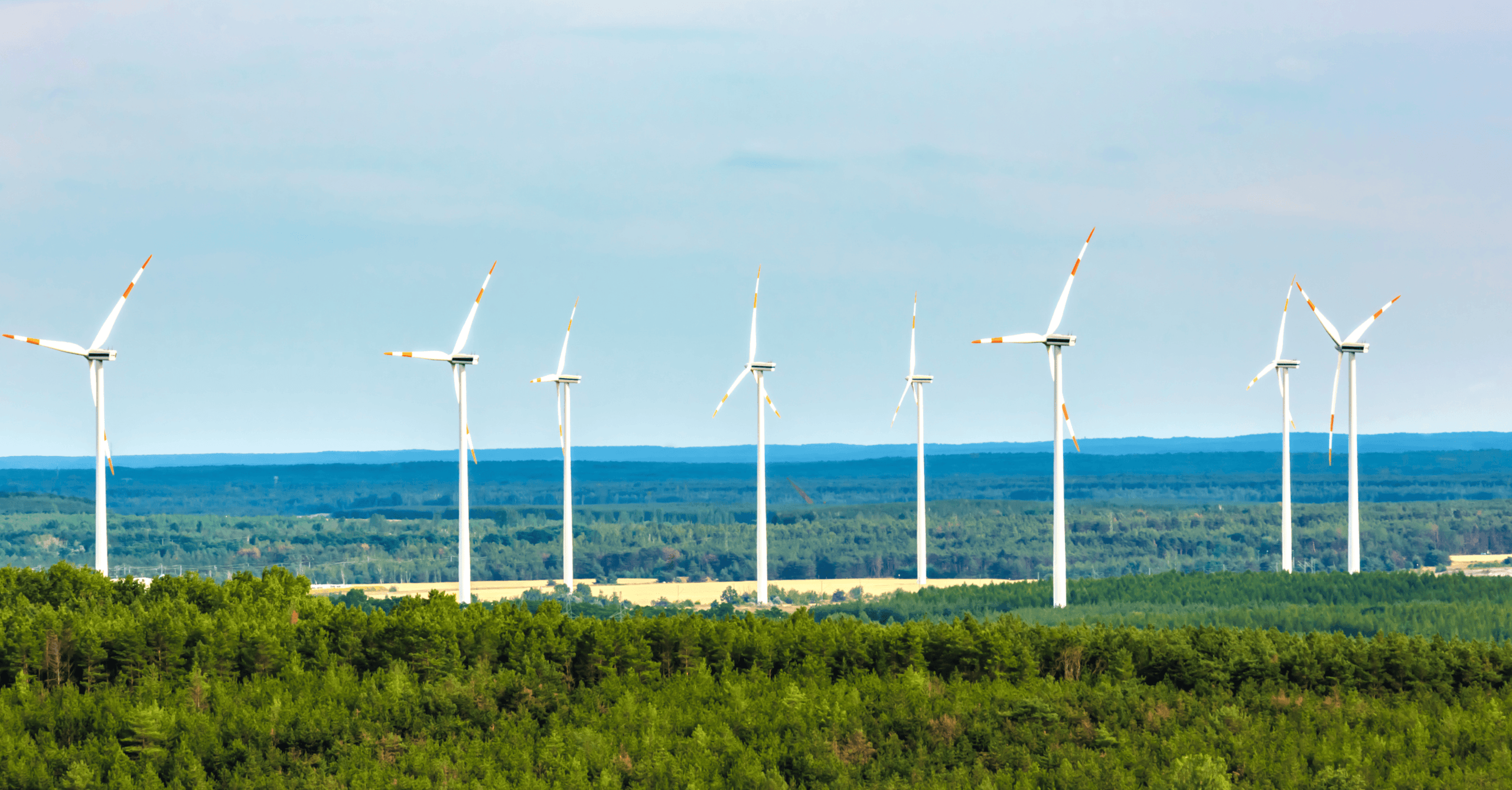
Modern wind turbines often exceed 100 metres in height, roughly as tall as the Statue of Liberty. Their height allows them to capture stronger, steadier wind, increasing energy production. See how wind energy works for more detail on turbine design.
Fact 4: Turbine Blades Can Span Nearly the Length of a Football Pitch
Wind turbine blades can average around 80 metres in length on the largest utility-scale models, roughly the length of an Olympic swimming pool stretched twice over. The length and shape of these blades are critical to how efficiently they capture wind energy.
Fact 5: Wind Power Produces No Direct Emissions
Wind energy is one of the cleanest power sources available. It produces no greenhouse gas emissions or air pollutants during operation, making it a core part of clean energy solutions and the broader renewable energy mix.
Fact 6: The Cost of Wind Energy Has Fallen Sharply
The cost of wind energy has decreased significantly over the past few decades thanks to technological advancements. Industry data shows the average capacity factor, a measure of how much electricity a turbine actually produces relative to its theoretical maximum, has risen substantially since the late 1990s as turbine design and siting have improved (specific percentage figures and source year to be verified before publishing).
Fact 7: Wind Energy Is a Major Job Creator
The wind energy sector supports a wide range of careers, from manufacturing and installation to long-term maintenance and operations. Explore careers in renewable energy to learn more about opportunities in this growing field.
Fact 8: Wind Energy Is a Truly Global Industry
Wind energy installations exist in over 100 countries worldwide (source and year to be verified before publishing). China and the United States are among the largest producers of wind energy, while India continues to expand its own wind capacity and turbine manufacturing base as part of its broader renewable energy growth (specific India capacity figure to be added and dated before publishing).
Fact 9: Offshore Wind Holds Vast Untapped Potential
Offshore wind energy, generated by turbines installed in coastal waters, has the potential to generate significantly more electricity than onshore wind alone, due to stronger and more consistent offshore wind speeds. This is an area of particular promise for India as both onshore and offshore wind development continue to grow.
Read Also:- Advantages And Environmental Benefits Of Wind Energy
Fact 10: Wind Energy Is Central to India’s Clean Energy Future
Wind energy plays a key role in achieving a sustainable energy future by reducing reliance on fossil fuels. India has set a target of 140 GW of cumulative installed wind energy capacity by 2030, reflecting a strong national commitment to expanding renewable energy (source: MNRE/CEA verify current target figure and year before publishing).
Is a Windmill the Same as a Wind Turbine?
The terms are often used interchangeably in everyday conversation, but traditionally a windmill refers to older mechanical designs used to grind grain or pump water, while a wind turbine refers to a modern machine built specifically to generate electricity. Most of what people now call “windmills” in wind farms today are technically wind turbines.
FAQs
How powerful is wind energy?
Wind energy is a powerful and scalable resource. A single modern wind turbine can generate enough electricity to power several hundred homes, depending on its size and local wind conditions. India’s growing wind capacity targets reflect the scale wind power can achieve nationally.
Is wind energy more efficient than solar energy?
Efficiency depends heavily on local conditions. In regions with strong, consistent winds, wind turbines can achieve a higher capacity factor than solar panels, while solar tends to perform more predictably in regions with strong year-round sunlight. Many large-scale renewable projects now combine both for a more consistent overall output.
Why do people prefer wind energy?
Wind energy appeals to many people and organisations because of its sustainability, minimal environmental impact, and improving cost-competitiveness. As a clean, renewable resource, it aligns well with climate goals and energy security priorities, and continues to see strong policy support in markets including India.
Is a windmill the same as a wind turbine?
Not technically. A windmill traditionally refers to an older mechanical design used to grind grain or pump water, while a wind turbine is a modern machine built to generate electricity. In everyday usage, however, the terms are frequently used interchangeably, and many people refer to wind turbines in wind farms as “windmills.”
What is the best source for wind power information?
Reliable wind power information comes from named industry and government sources, such as national energy ministries, grid operators, and established industry associations, rather than unsourced figures. When reviewing facts about wind energy, look for statistics with a named source and a publication year.
What are some interesting facts about energy more broadly?
Beyond wind, renewable energy facts span solar, hydro, and storage technologies. Solar panels convert sunlight directly into electricity, hydroelectric plants use flowing water to generate power, and battery storage systems are increasingly used to store surplus renewable generation for use when demand is high. Together, these technologies are reshaping how electricity is generated and consumed worldwide.