Solar technology has emerged as a practical solution for India’s agricultural and industrial water needs. As diesel prices fluctuate and grid electricity remains intermittent in remote areas, solar water pumps offer a reliable alternative. These systems utilize photovoltaic (PV) technology to harness sunlight, ensuring a consistent water supply for irrigation, livestock, and community use.
The solar water pump price in India has become a key decision factor for farmers and businesses looking to reduce long-term operational costs.The adoption of solar water pumps in India is accelerating, driven by the need for sustainable energy and cost reduction. By October 31, 2025, India successfully achieved 50% of its installed electricity capacity from non-fossil fuel sources, reaching this milestone five years ahead of its Paris Agreement target.
With government initiatives and technological advancements, the market for 1HP to 10HP pumps is expanding rapidly. This guide provides a detailed analysis of the 1HP to 10HP solar water pump price range in 2025, the factors influencing these costs, and the technical components involved.
Understanding Solar Water Pumps
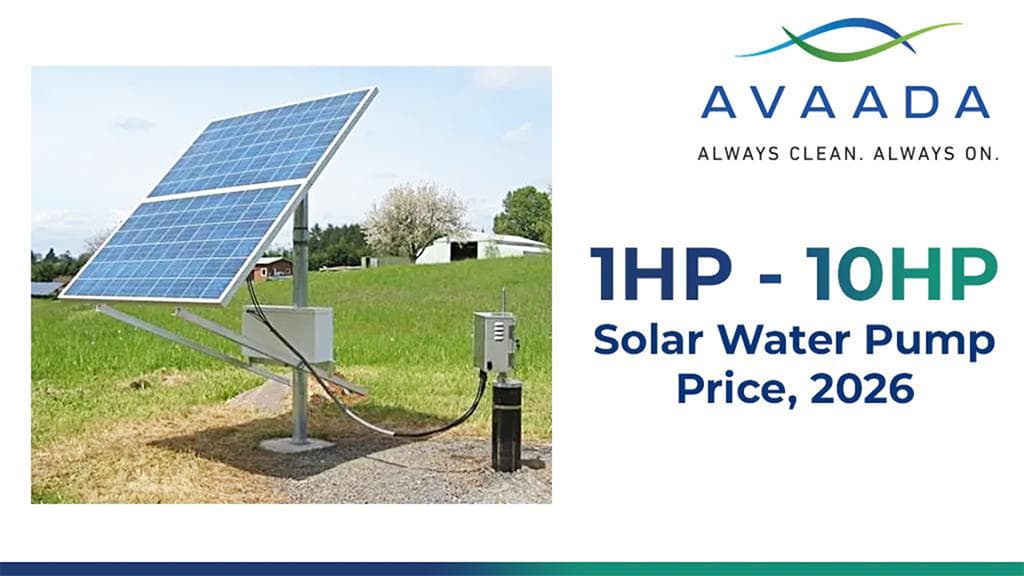
A solar water pump system converts sunlight into electrical energy, which powers a motor to pump water. The core mechanism relies on the photovoltaic effect, which generates direct current (DC) electricity from sunlight. This electricity powers the pump directly or, depending on the motor type, through an inverter that converts DC to alternating current (AC).This difference significantly impacts the solar motor pump price and efficiency.
There are two primary categories of solar pumps used in India:
- Submersible Pumps: These are installed underground in borewells or open wells. They are highly efficient for lifting water from deep sources.
- Surface Pumps: These are installed at ground level and are suitable for lifting water from shallow sources such as ponds, rivers, or tanks.
Long-term cost savings drive the shift toward solar pumping. Unlike diesel pumps, which require continuous fuel consumption, solar pumps have minimal operating costs. Furthermore, they contribute to environmental sustainability by reducing carbon emissions associated with fossil fuel combustion.
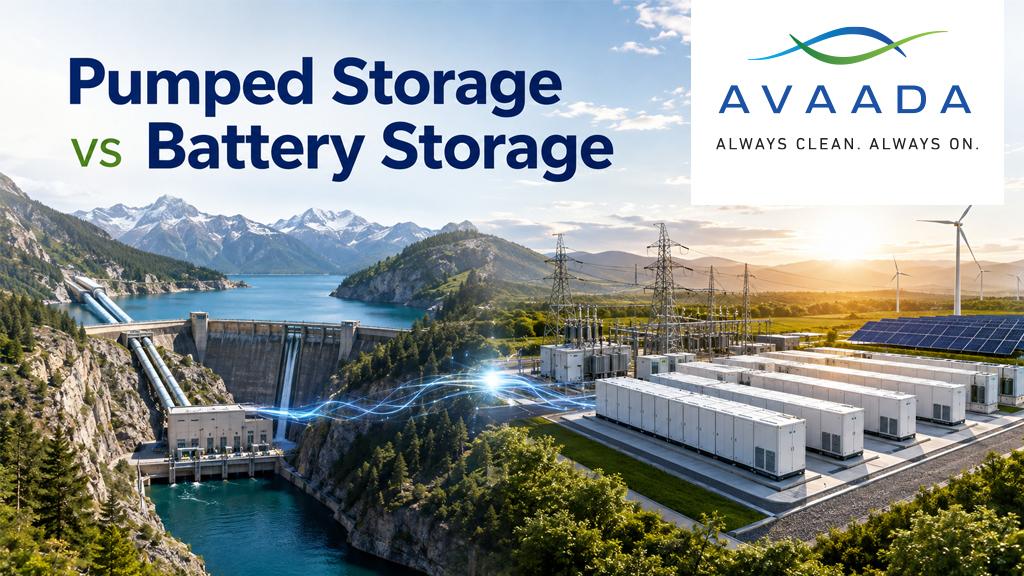
To address the intermittency of solar energy, excess power can be used for pumped hydropower storage, where water is pumped to a higher elevation during sunny periods and released to generate electricity when the sun isn’t shining, effectively acting as a giant mechanical battery.
However, experts note that while capacity is growing, the total share of renewables in generation must continue to rise significantly to displace coal’s long-standing dominance in the energy mix.
Read more : Biggest Solar Company In India
Types of Solar Water Pumps: Submersible vs Surface
Understanding the type of pump helps estimate the solar submersible pump price vs surface pump price:
Feature | Submersible Pumps | Surface Pumps |
Cost | Higher cost due to deep-water capability | Lower cost |
Application | Ideal for borewells | Suitable for ponds, canals, tanks |
Durability | More durable for long-term use | Moderate durability |
Installation | More complex installation | Easier installation |
Typically, the solar submersible pump price is 10–25% higher than surface pumps of similar capacity.
Factors Affecting Solar Water Pump Prices
The cost of a solar water pumping system is not uniform. Several technical and market variables influence the final price.
Pump Size and Capacity
The pump’s horsepower (HP) is the most significant cost determinant. Higher HP pumps require larger solar arrays and more powerful controllers, increasing the total system cost.
- 1HP to 3HP: Typically used for small-scale irrigation and drinking water supply.
- 5HP to 10HP: Suitable for large agricultural fields and commercial applications requiring substantial water discharge.
Components and Materials
The durability and efficiency of the system depend on the materials used. Stainless steel pumps are more expensive but offer superior corrosion resistance compared to cast iron or polymer alternatives. The quality of the solar energy storage also plays a critical role. Avaada utilizes latest module technologies, such as bifacial N-Type TOPCon modules. The sector is also seeing a push toward circularity; as India is projected to generate over 11,000 kilotonnes of cumulative solar waste by 2047, there is an urgent call for a robust domestic recycling industry to manage old modules.
Technology and Efficiency
Technological integration directly impacts pricing. Systems utilizing high-efficiency DC motors often cost more upfront but deliver better performance than AC motor-based systems without inverters. Advanced controllers with Maximum Power Point Tracking (MPPT) technology optimize energy harvest, ensuring the pump runs effectively even during low-light conditions.
Technology Options – AC vs DC, VFD & Hybrid Pumps
Technology directly affects the 10 hp solar water pump price and performance.
Pump Type | Key Features | Cost/Requirement | Benefits |
DC Pumps | Operate on direct current | Higher upfront cost, no inverter | More efficient, simple system setup |
AC Pumps | Operate on alternating current | Lower cost, requires inverter | Widely available, cost-effective |
Hybrid Pumps | Work on solar + grid/diesel | Moderate cost | Reliable in all conditions |
VFD Pumps | Adjust speed based on sunlight availability | Higher cost with controller | Energy saving, longer lifespan |
Installation Costs
Professional installation ensures optimal performance and safety. Costs include site assessment, civil works (mounting structure foundations), and electrical integration. Proper wiring and safe grounding are essential to prevent electrical faults and ensure the longevity of the system.
Installation Process and Delivery Timeline
Typical installation steps:
- Site inspection
- System design
- Panel mounting
- Pump installation
- Testing
Timeline: 5–10 days on average
Government Subsidies and Incentives
To promote renewable energy adoption, the Indian government offers financial support through schemes like PM-KUSUM (Pradhan Mantri Kisan Urja Suraksha evam Utthaan Mahabhiyan). This PM Solar Panel Scheme provides subsidies on the benchmark cost of solar pumps, significantly reducing the solar water pump price for farmers.
1HP to 10HP Solar Water Pump Price Range
The following price ranges are subject to market fluctuations, location, and specific component choices.
Pump Capacity | Estimated Price Range (INR) | Suitable Application |
1HP | ₹50,000 – ₹93,000 | Small gardens, drinking water |
2HP | ₹95,000 – ₹1,83,000 | Small farms (approx. 2 acres) |
3HP | ₹1,30,000 – ₹2,40,000 | Medium irrigation |
5HP | ₹2,00,000 – ₹3,50,000 | Large field irrigation |
7.5HP | ₹4,00,000 – ₹4,80,000 | Commercial usage |
10HP | ₹4,50,000 – ₹7,30,000 | Heavy-duty industrial/agricultural |
Note: The 2HP solar water pump price in India and the 1HP solar water pump price in India may vary based on whether the system includes batteries or specific controller features. The prices listed above generally exclude subsidies.
Cost Analysis of Solar Components
A solar pump with a panel involves several sub-costs. Understanding these helps in evaluating the total investment.
Solar Panels
The solar array constitutes a major portion of the expense. For a 3HP pump, a 3kW solar plant is a relevant benchmark. High-efficiency modules, such as those manufactured by Avaada, maximize energy generation per square meter.
- 3-kilowatt solar panel price: Fluctuates based on cell technology (Mono-PERC vs. TOPCon).
- 3kw solar system cost: Includes mounting structures and connectors.
Inverters and Controllers
Solar energy storage pump controllers regulate the voltage and frequency to match the motor’s requirements. They protect the motor from voltage spikes, dry running, and overheating. High-quality controllers with remote monitoring capabilities command a premium price but offer better operational control.
Batteries
For applications that require a water supply at night or on cloudy days, battery storage is necessary. Adding storage increases the solar motor pump price. Lithium-ion batteries are becoming the standard due to their longer cycle life compared to lead-acid batteries, though they have a higher initial cost.
Piping and Wiring
Quality cabling minimizes transmission losses. The cost of piping depends on the depth of the borewell and the distance to the discharge point. Using appropriate gauge wiring and durable piping is essential to handle pressure and current safely.
How to Choose the Right Solar Water Pump for Your Farm
Choosing the right system depends on:
- Land size
- Water depth
- Crop type
- Budget
Example:
- Small farms → small water pump solar (1–2HP)
- Medium farms → 3–5HP
- Large farms → 7.5–10HP
Maintenance and Operational Costs
While operational costs are low, periodic maintenance is required to ensure longevity.
- Cleaning: Solar panels must be cleaned regularly to remove dust and bird droppings, which can reduce efficiency by 15-20%.
- Inspection: Wiring and connections should be checked for wear and tear.
- Pump Servicing: Submersible pumps may require periodic checks for silt accumulation.
Proper maintenance can extend the lifespan of the system beyond 20 years, making the initial solar submersible pump price a worthwhile investment.
Read more : Solar Price In India
Conclusion
The transition to solar-powered irrigation is a strategic move for India. While the solar water pump price may seem high initially, long-term savings, subsidies, and sustainability benefits make it a smart investment.
Technologies like pumped storage hydropower further enhance reliability by storing excess solar energy for later use.
With innovations like Avaada’s advanced modules, solar pumps are becoming more efficient, affordable, and essential for India’s energy future.
FAQs
What is the current solar water pump price in India?
₹50,000 to ₹7,30,000 depending on capacity.
How does subsidy affect price?
Reduces cost by up to 60%.
Can solar pumps work on cloudy days?
Yes, but output is reduced.
What is the installation cost?
₹10,000–₹50,000 depending on complexity.
How long does a solar pump last?
20–25 years with proper maintenance.
Is it better than diesel pumps?
Yes, due to zero fuel cost and low maintenance.