Think of a fuel so clean that its only by-product is pure water vapor. As global energy systems shift away from carbon-intensive fuels, hydrogen power has emerged as a cornerstone of the modern energy transition. To understand what hydrogen is, one must look at the simplest and most abundant element in the universe. While it does not exist as a gas on its own on Earth, it can be extracted from water or organic matter. In 2026, the focus has moved beyond just its chemical properties to its potential as a high-density, eco-friendly fuel that can decarbonize heavy industries, shipping, and long-haul transport.
Understanding Hydrogen Energy
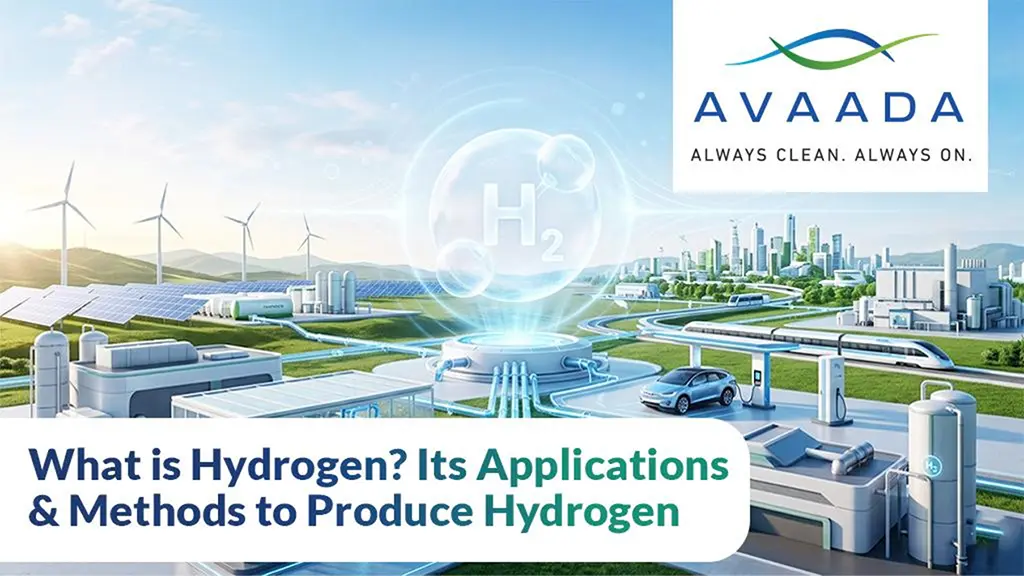
The term hydrogen energy refers to power generated by using hydrogen as a fuel. Because it has a high energy content per unit of weight, nearly three times that of gasoline, it is an ideal candidate for sectors that are difficult to electrify with batteries alone. When used in a fuel cell, hydrogen combines with oxygen from the air to produce electricity, with the only by-products being heat and water. In India, the government is actively implementing the National Green Hydrogen Mission to make the country a global hub for the production and export of this clean energy.
Also Read :- What Is Green Hydrogen Used For As A Fuel For Tomorrow’s World?
Major Applications & Uses of Hydrogen
The versatility of this element is reflected in the wide range of uses of hydrogen gas across different economic sectors.
1. Industrial Feedstock
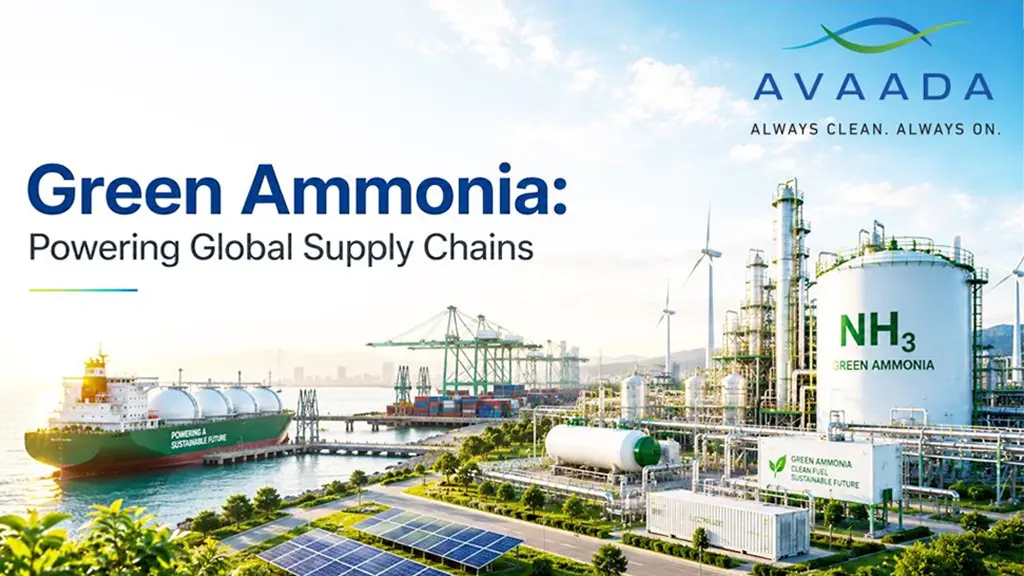
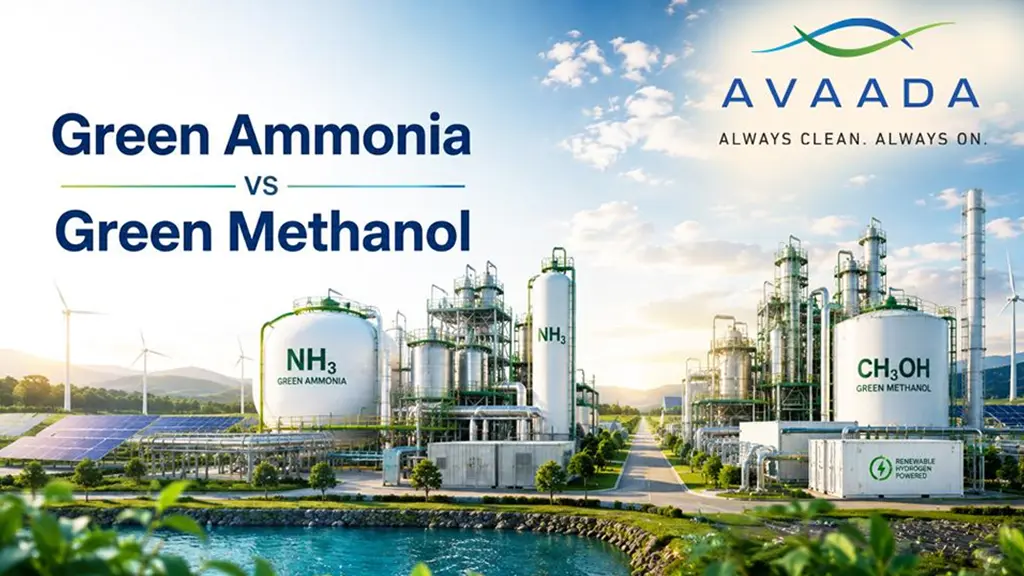
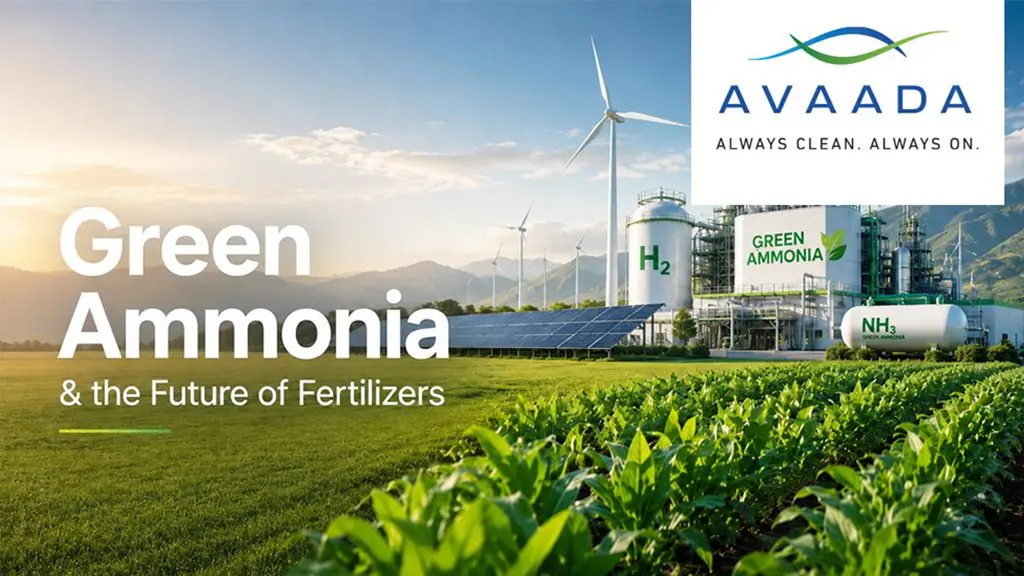
Currently, the largest uses of hydrogen are in industrial processes. It is a critical component in petroleum refining and the production of ammonia for fertilizers. As of 2026, India is setting new standards for Green Ammonia and Green Methanol to ensure these industrial chemicals are produced using green fuels.
2. Heavy-Duty Transportation
While battery electric vehicles are excellent for passenger cars, hydrogen is superior for heavy-duty trucks, buses, and marine vessels. Hydrogen-powered vehicles offer quick refueling times and longer ranges without the weight penalty of large batteries.
3. Power Generation & Storage
Hydrogen can act as a long-term storage medium for renewable energy. Excess electricity from solar or wind farms can be converted into hydrogen and stored for use when the sun isn’t shining or the wind isn’t blowing.
Types of Hydrogen: The Color Spectrum
Not all hydrogen is created equal. The environmental impact depends entirely on the hydrogen production method used.
- Green Hydrogen: Produced through the electrolysis of water using renewable energy (solar or wind). It has zero carbon emissions.
- Blue Hydrogen: Sourced from natural gas through steam methane reforming, but the resulting carbon dioxide is captured and stored underground.
- Grey Hydrogen: The most common form today, produced from natural gas without capturing the greenhouse gases, leading to significant emissions.
Methods of Hydrogen Production
To understand what hydrogen energy is in a practical sense, we must look at how we extract it from other compounds.
1. Electrolysis
This is the cleanest method, where an electric current is passed through water to split it into hydrogen and oxygen. If the electricity comes from green energy sources, the result is green hydrogen. As of February 2026, India has commissioned approximately 8,000 tonnes per annum (TPA) of green hydrogen capacity.
2. Steam Methane Reforming (SMR)
This is currently the most widely used industrial method. High-temperature steam reacts with natural gas (methane) to produce hydrogen. While efficient, it releases carbon dioxide unless combined with carbon capture technology.
3. Biomass Gasification
Biomass can be converted into a gas mixture (syngas) by reacting it with steam and oxygen at high temperatures. This hydrogen can then be separated and purified.
The Economics of Hydrogen Power in India
Cost is the primary factor determining the adoption of hydrogen fuel. In March 2026, India reached a major milestone with green hydrogen costs falling below $4 per kg globally, with some competitive bids reaching approximately ₹387 to ₹397 per kg (inclusive of GST) for supply to major refineries in India.
Renewable energy accounts for 50% to 70% of the total cost of green hydrogen production. Because India has some of the world’s lowest solar and wind tariffs, it is uniquely positioned to produce this eco-friendly fuel at highly competitive rates.
How Green Hydrogen Benefits the Environment
The transition to green fuels is essential for meeting global net-zero targets. Unlike fossil fuels, green hydrogen:
- Reduces Carbon Footprint: It produces zero CO₂ at the point of use and during production.
- Enables Sector Coupling: It allows renewable energy to be used in sectors such as steel and cement manufacturing that cannot easily operate on electricity alone.
- Energy Security: Producing hydrogen locally reduces dependence on imported natural gas and oil.
Avaada’s Role in the Green Hydrogen Revolution
Avaada is a partof this transition, using its extensive renewable energy expertise to support clean fuel production. By providing low-cost, reliable solar and wind power, Avaada enables the scaling of green hydrogen projects across India. Avaada Electro manufactures high-efficiency N-type TOPCon (G12) solar modules with cell efficiencies of up to 26%, providing the critical “green” input needed for the electrolysis process.
With a robust manufacturing capacity and a commitment to “Made in India” excellence, Avaada is helping industries switch to hydrogen power while ensuring supply chain reliability and sustainability.
Also Read :- Pumped Storage Hydropower & How Does It Work?
Conclusion
Hydrogen is no longer a niche scientific concept; it is a key eco-friendly fuel that is actively reshaping the global energy map. From powering heavy transport to cleaning up industrial chemicals, the applications are vast. With production costs falling and government support, such as the National Green Hydrogen Mission, the shift toward a hydrogen-based economy is accelerating. Collective investment in infrastructure and technology will ensure that hydrogen becomes a mainstream energy source for a sustainable world.
Power your green hydrogen projects with Avaada’s high-efficiency renewable energy solutions. Contact us today to start your transition to clean energy.
FAQs
What is hydrogen?
Hydrogen is a chemical element and a clean energy carrier that produces only water vapor when used in fuel cells, making it a powerful tool for decarbonization.
What is hydrogen energy?
Hydrogen energy is the power generated by using hydrogen as a fuel in fuel cells or combustion engines to create electricity and heat without carbon emissions.
What is green hydrogen?
Green hydrogen is hydrogen produced through water electrolysis powered entirely by renewable energy sources like solar or wind, resulting in zero greenhouse gas emissions.
What are the uses of hydrogen?
The uses of hydrogen include refining petroleum, manufacturing fertilizers, powering heavy-duty transportation like buses and ships, and providing long-term energy storage for power grids.
How is hydrogen produced?
Hydrogen production occurs primarily through electrolysis, which splits water, or steam methane reforming, which extracts hydrogen from natural gas, often combined with carbon capture for cleaner results.