The efficiency of a photovoltaic (PV) system depends mainly on the inverter, which converts DC from solar panels into AC for appliances and the grid. While string inverters have been the standard, the industry is shifting toward module-level power electronics (MLPE), such as solar panel microinverters. These maximize energy harvest, especially in complex installations. Understanding their function, benefits, and costs is key to optimizing renewable energy investments.
What are Microinverters?
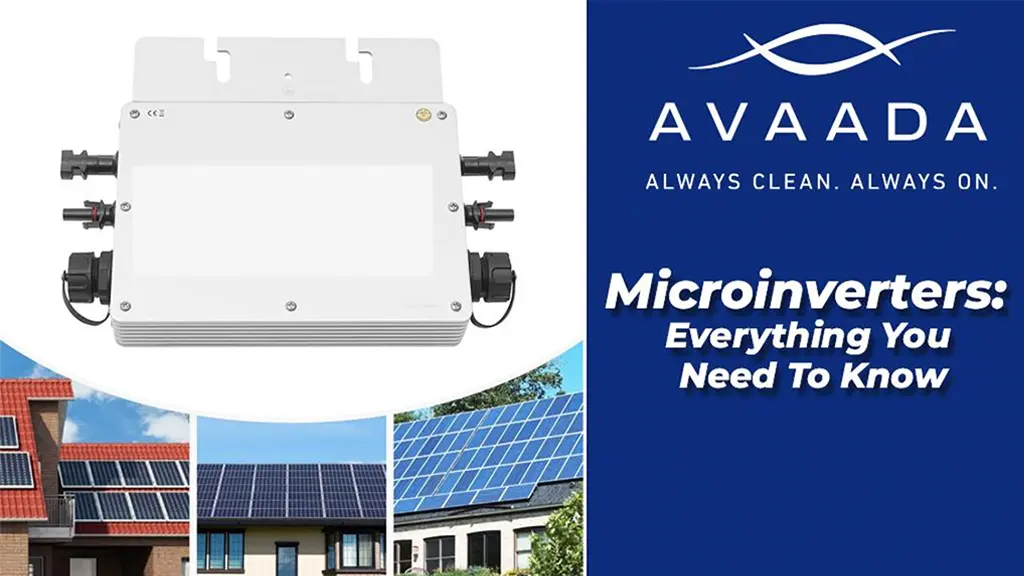
A microinverter is a compact electronic device that attaches directly to the back of an individual solar panel. Unlike a central string inverter, which manages the output of a series of panels combined, a microinverter converts power at the source.
In a conventional string-inverter setup, solar panels are connected in series. The electricity flows from one panel to the next until it reaches a large, centralized inverter, usually mounted on a wall. A solar microinverter decentralizes this process. It isolates each module’s power production, ensuring the system operates in parallel rather than in series.
Read more : Solar Brands In India
How Do Microinverters Work?
The operational mechanics of a microinverter differ fundamentally from those of centralized systems. The conversion from DC to AC occurs immediately at the module level.
Independent Operation
Each unit operates independently. This means the microinverter performs Maximum Power Point Tracking (MPPT) for its specific solar panel. MPPT is a technique used to maximize power extraction under all conditions. By isolating the MPPT process, the system ensures that the performance of one module does not dictate the output of the entire array.
DC to AC Conversion
When sunlight strikes the solar panel, it generates high-voltage DC electricity. The attached solar panel microinverter instantly converts it into grid-compliant AC electricity. Ensuring high conversion efficiency is vital for grid stability, especially given that India currently experiences 1.3 million transformer failures annually, underscoring the need for resilient distribution infrastructure.
Advantages of Microinverters
The adoption of microinverters addresses several inherent limitations of traditional string-inverter systems.
Increased Energy Production
The primary benefit is higher energy yield in non-ideal conditions. In a string system, the output is often capped by the lowest-performing panel. If one panel is shaded, dirty, or degrading faster than the others, the entire string suffers. Microinverters eliminate this bottleneck. If one panel is shaded, the others continue to generate at maximum capacity. This makes them ideal for roofs with chimneys, trees, or complex angles, as seen in states like Maharashtra and Gujarat, where Avaada has deployed solar plants.
Improved Monitoring
Because each panel has its own inverter, system owners can monitor performance at a granular level. Users can track voltage, current, and wattage for every single module via a web portal or app. This facilitates rapid troubleshooting. If a specific panel fails, maintenance teams can identify the exact location immediately without testing the entire array.
Enhanced Safety
Fire safety is a critical consideration in solar installations. String inverters often require high-voltage DC wiring (ranging from 600V to 1000V) to run across the roof. High-voltage DC is prone to arcing. In contrast, a solar microinverter converts the power to AC at the panel, typically keeping the DC voltage on the roof much lower (usually under 60V). This creates a safer environment for installers and emergency responders.
System Design Flexibility
Microinverters allow for modular expansion. This flexibility aligns with the goals of the Global Energy Leaders’ Summit (GELS) 2025, which emphasized that innovative public-private partnerships and balanced energy infrastructure are essential for a sustainable, non-fossil-based energy future.
Disadvantages of Microinverters
While the technology offers performance benefits, there are specific drawbacks to consider regarding cost and maintenance.
Higher Upfront Costs
The manufacturing complexity and quantity required for a large system result in a higher initial capital expenditure. When researching solar microinverter price, investors will note that the cost per watt is generally higher than that of string inverters. For large-scale utility projects where shading is not an issue, this cost difference often makes string inverters the preferred economic choice.
Maintenance and Replacement
Although they are reliable, microinverters are electronic devices located on the roof, exposed to extreme heat and weather cycling. If a unit fails, a technician must access the roof and potentially remove a solar panel to replace the inverter. This process is more labor-intensive than replacing a wall-mounted string inverter.
Microinverters vs. String Inverters
Selecting the right inverter depends on the project site’s specific requirements and budget.
Feature | String Inverters | Microinverters |
Best For | Large, unshaded roofs and ground-mounted utility systems are where cost efficiency is paramount. | Residential or commercial rooftops with shading, complex designs, or safety restrictions. |
Pros | Lower cost, easier maintenance access, fewer components. | Maximum yield per panel, panel-level monitoring, high safety, and modularity. |
Cons | The entire string affects performance, poses high DC-voltage risks, and limits monitoring. | Higher initial solar micro-inverter prices in India, more components on the roof. |
Understanding the Market and Pricing
For decision-makers, the solar microinverter price in India is a decisive factor. The cost varies based on the brand, capacity (wattage), and features. Generally, a microinverter price is calculated per unit or per watt.
While the microinverter price in the Indian market trend shows a premium over string inverters, the gap is narrowing as technology scales. It is vital to calculate the Levelized Cost of Energy (LCOE). If a site has partial shading, the extra energy generated by microinverters over 25 years often outweighs the higher upfront solar microinverter price in India.
Furthermore, investors should consider the system’s full lifecycle; India is projected to generate 11,221 kilotonnes of solar PV waste by 2047, making durable, high-efficiency components to support a circular economy.
The Broader Renewable Ecosystem
Solar technology does not exist in isolation. As India moves toward its net-zero targets, integrating various clean energy sources becomes critical. Avaada supports this transition through end-to-end clean energy solutions, manufacturing high-efficiency bifacial N-Type TOPCon (G12) modules at its 6 GW integrated facility and developing wind energy projects in states like Maharashtra and Gujarat.
Furthermore, the electrons generated from these solar and wind assets are increasingly being directed toward the production of green molecules. This powers the emerging green hydrogen plant infrastructure, which is essential to decarbonizing hard-to-abate sectors such as steel and heavy transport.
Read more : How To Install Solar Panel
Optimizing Your Energy Future
Choosing between microinverters and string inverters requires a technical assessment of the installation site. For unshaded, large-scale arrays using high-wattage modules, such as the 610 Wp, 630 Wp, and 720 Wp bifacial N-Type TOPCon modules from Avaada’s integrated Made-in-India manufacturing, string inverters often remain the standard for ROI. However, for sites requiring maximum safety, granular data, and shade mitigation, microinverters offer a robust solution.
As the renewable landscape evolves, understanding these component-level differences ensures that energy assets deliver reliable, long-term value.