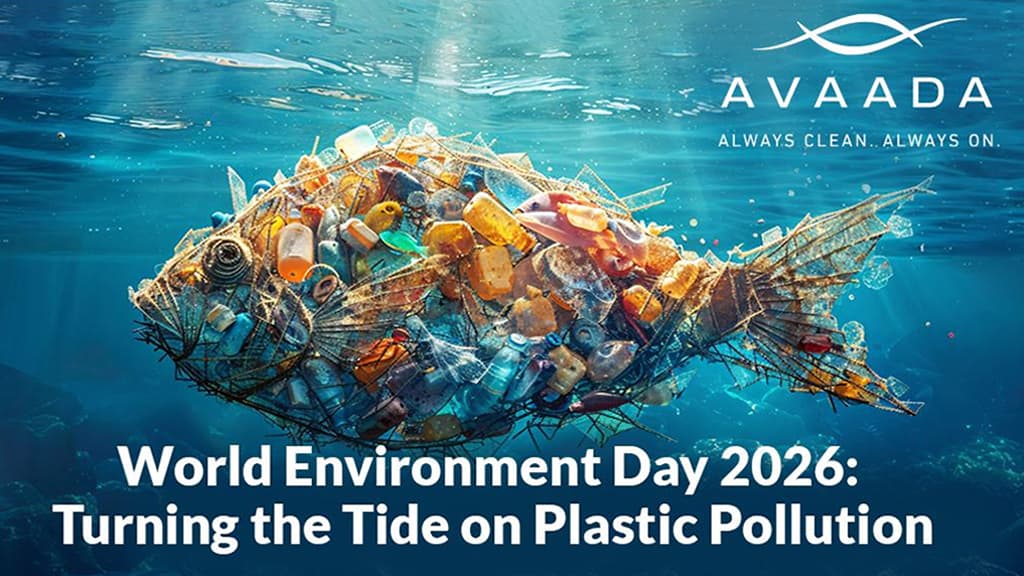
World Environment Day, observed on June 5, highlights the urgent issue of plastic pollution. Millions of tonnes of plastic waste enter ecosystems each year, highlighting the urgent need for sustainable alternatives and clean energy. India is making strides in waste management and renewable power. This day encourages collective action for a cleaner, more resilient future, emphasizing the importance of integrating green technology for environmental preservation.
What is World Environment Day?
World Environment Day is celebrated annually on June 5, organized by the United Nations Environment Programme (UNEP). It serves as a platform for governments, businesses, and individuals to address environmental issues through policy changes and community action. Each year, the day highlights specific themes; in 2026, the focus is on “Beat Plastic Pollution,” addressing the significant impact of plastic waste on the planet. This day mobilizes millions across over 150 countries, turning global awareness into local action and emphasizing the connection between environmental health and our choices regarding energy and resources.
A Global Call to Action: The History and Purpose
To fully understand what World Environment Day is, we must look back to 1972. It was established by the UN General Assembly during the Stockholm Conference on the Human Environment. The first celebration took place in 1974 with the slogan “Only One Earth”. Since then, it has grown into a global movement advocating for a transition away from practices that harm the natural world.
The history of this day shows a consistent push for international cooperation. Over the decades, it has tackled issues from ozone layer depletion to desertification. Today, the focus has shifted toward the “triple planetary crisis”: climate change, nature loss, and pollution. The day serves as a milestone for nations to report on their environmental goals and for companies to demonstrate their commitment to sustainability.
Plastic Pollution: A Growing Global Crisis
The concern surrounding World Pollution Day activities often centers on the staggering volume of waste produced daily. Globally, humans produce over 400 million tonnes of plastic every year, two-thirds of which are short-lived products that quickly become waste. In India, the crisis is acute. Recent data indicate that India generates approximately 9.3 million tonnes of plastic waste annually, accounting for nearly 20% of global plastic emissions. This makes the World Environment Day message on plastic pollution more relevant than ever.
Much of this waste is mismanaged. About 19% of plastic waste in India remains uncollected, leading to open burning or dumping in landfills. These waste sites in major cities release methane gas and toxic chemicals into the ground and air. The scale of the problem is vast, with the equivalent of over 2,000 garbage trucks full of plastic dumped into oceans, rivers, and lakes every single day.
The Environmental Impact of Plastic Waste
The consequences of plastic dependency extend far beyond visible litter. The World Environment Day message on plastic pollution highlights several crucial impacts:
- Marine Ecosystems: More than 100,000 marine mammals and 1 million seabirds are killed annually by plastic entanglement or ingestion.
- Human Health: Research has found microplastics in 88.9% of human blood samples tested, with particles also discovered in lungs and placentas.
- Food Security: Microplastics accumulate in the soil, entering the crops we consume and our water supply.
- Climate Change: Plastic production is carbon-intensive, generating approximately 2.5 tonnes of CO2 for every 1 tonne of plastic produced.
- Biodiversity: Plastic accounts for 85% of marine litter, threatening aquatic species worldwide.
World Environment Day 2026 Theme: Beating Plastic Pollution in India
World Environment Day 2026 theme in India focuses on the urgent need to beat plastic pollution. India has taken a leading role in this mission, recognizing that its large population and fast-growing economy require robust waste management systems. The government’s focus is on creating a circular economy where plastic is reused and recycled rather than discarded. This involves strengthening the “Jan Andolan,” or people’s movement, to ensure that every citizen contributes to a cleaner nation.
India’s Commitment to a Plastic-Free Future
India’s progress is reflected in the Plastic Waste Management (Second Amendment) Rules, 2025. These rules mandate that producers, importers, and brand owners include a minimum percentage of recycled plastic in packaging. Rigid packaging must contain at least 30% recycled content in the 2025-26 period, increasing to 60% by 2028-29.
The government has also introduced mandatory QR codes on plastic packaging, effective July 2025, to ensure traceability throughout the product’s life cycle. This digital tracking makes it difficult for waste to be lost in the system, ensuring that companies meet Extended Producer Responsibility (EPR) targets. These initiatives show a firm commitment to systemic change rather than just temporary awareness.
Avaada's Role in a Sustainable Tomorrow: Powering Change with Solar Energy
While waste management is vital, transitioning to clean energy is equally important for a healthy environment. As one of the region’s significant solar energy companies, Avaada provides solutions that reduce the carbon footprint of industries and communities. By focusing on renewable energy, the group helps decrease reliance on fossil fuels, which are often tied to the industrial processes that produce pollutants.
As one of the prominent solar power companies, Avaada integrates advanced technology to ensure energy reliability. Our manufacturing facilities utilize automation to maintain high quality. By providing clean power, Avaada supports the infrastructure needed for sustainable waste processing and recycling plants, creating a synergy between energy and environmental conservation.
How Solar Energy Reduces Our Environmental Footprint
Switching to solar power is a direct way to combat the broader pollution crisis. Unlike traditional energy sources, solar energy produces zero greenhouse gas emissions during operation.
- Carbon Reduction: Every 1 kWh of solar electricity prevents about 0.82 kg of CO2
- Water Conservation: Avaada uses a dry robotic cleaning system for solar modules, reducing water consumption by up to 93% compared to traditional wet cleaning.
- Health Improvement: Solar energy helps prevent over 24,000 premature deaths every year in India by reducing hazardous air pollutants.
- Energy Security: High-efficiency modules maximize energy output, reducing the need for land-intensive thermal power.
Avaada’s Initiatives for a Greener India
Avaada’s commitment goes beyond power generation. The integrated manufacturing process, from ingots and wafers to cells and modules, aims for a transparent supply chain. Our TOPCon solar modules deliver an impressive efficiency of up to 23.18%, ensuring maximum energy yield. Avaada has successfully deployed projects that help avoid 47 million tonnes of CO2 equivalent per annum. Through community development and rural electrification, we have directly benefited over 600 homes, proving that clean energy is a tool for social and environmental upliftment.
What You Can Do: Individual and Collective Action
The fight against plastic pollution, as highlighted by the World Environment Day theme, requires participation from everyone. While large corporations like Avaada lead the way in energy, individual actions aggregate to create change.
- Refuse Single-Use Items: Use reusable bags and water bottles to avoid purchasing items that end up in landfills.
- Segregate Waste: Ensure plastic waste is separated at the source to facilitate easier recycling under new government rules.
- Support Green Businesses: Choose products from companies that use recycled packaging or renewable energy.
- Educate Others: Share information about the 2026 theme and the importance of beating plastic pollution.
- Adopt Solar: Consider switching to solar energy to reduce your household’s or business’s overall environmental impact.
Final Thoughts
World Environment Day 2026 is a call to move beyond awareness and into the era of execution. Whether through the strict implementation of plastic waste rules or the rapid expansion of solar power, the goal remains the same: a cleaner planet. Avaada remains committed to this mission by providing high-efficiency solar modules and driving the clean energy transition. By working together to beat plastic pollution and embrace renewable energy, we can ensure a sustainable tomorrow for future generations.
Ready to reduce your carbon footprint and embrace a cleaner future? Explore Avaada’s high-efficiency solar solutions and join the movement toward a sustainable India today.
FAQs
When was the first World Environment Day celebrated?
The first World Environment Day was celebrated in 1974. It was established by the UN in 1972 during the Stockholm Conference to raise global awareness for environmental protection and action.
What are some common types of plastic pollutants found in oceans?
Common pollutants include single-use items like bottles, bags, and straws. Microplastics, tiny particles from larger debris, are also a widespread threat, now found in 85% of marine litter worldwide.
How can businesses contribute to reducing plastic waste?
Businesses can adopt Extended Producer Responsibility (EPR) by ensuring packaging is recyclable. They can also switch to sustainable materials and use renewable energy to power their manufacturing and recycling processes.
Does Avaada offer solar solutions for businesses in India?
Yes, Avaada provides end-to-end renewable energy solutions for Commercial & Industrial (C&I) clients. These systems help businesses reduce electricity costs and meet sustainability goals by leveraging high-efficiency solar technology.
What is the significance of the "Beat Plastic Pollution" theme?
This theme focuses on the urgent need to find sustainable alternatives to plastic. It encourages a global shift toward a circular economy to protect ecosystems, biodiversity, and human health from pollution.