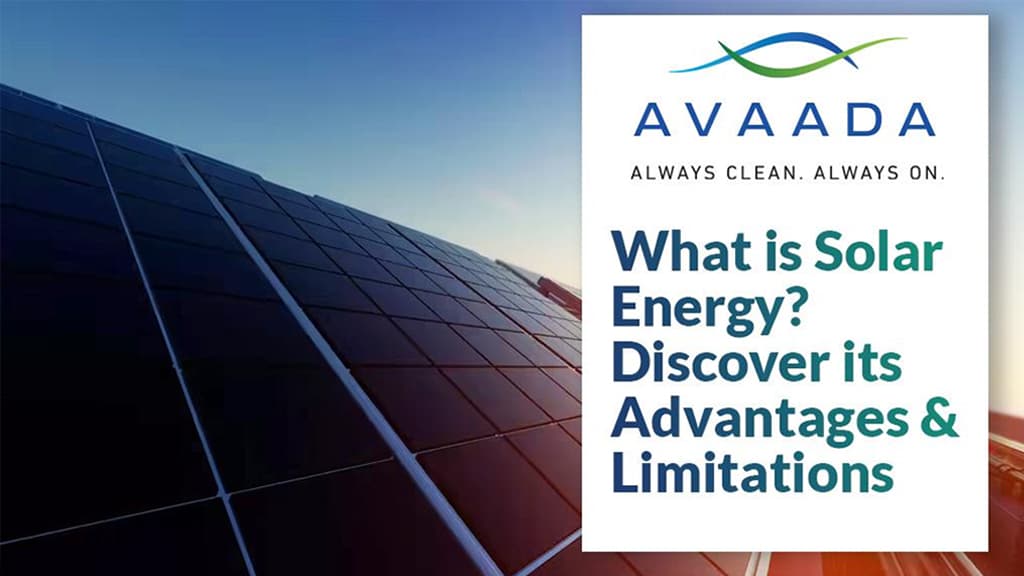
The global transition toward sustainable power positions solar energy at the forefront of the clean energy movement. As nations reduce carbon footprints, understanding sunlight’s role is essential. Solar energy provides a clean, inexhaustible resource, meeting global electricity needs without fossil fuel degradation. Advanced technology now converts light into usable electricity.
Understanding Solar Energy
Solar energy is the sun’s radiation that can produce heat, drive chemical reactions, or generate electricity. It refers to the total electromagnetic radiation emitted by the sun and harnessed through various technologies. As a key form of renewable energy, it is deemed “renewable” because the sun is virtually infinite on a human timescale.
According to the International Energy Agency (IEA), solar energy is the most abundant energy resource on Earth, with enough sunlight hitting the planet’s surface in 1.5 hours to power the world’s energy consumption for a full year. In India, this transition is accelerating rapidly. The nation’s total installed power generation capacity reached 509.743 GW as of November 30, 2025, with solar power accounting for a massive 130 GW of the renewable mix.
From Sunlight to Power: The Basic Conversion Principle
Determining what solar energy is also involves understanding the physics of conversion. When sunlight hits a solar cell, photons are absorbed by semiconducting materials like silicon, knocking electrons loose and generating electricity. This is called the photovoltaic effect, and modern systems aim to maximize this conversion for optimal wattage from sunlight.
Read more : Top 5 Solar Companies In India
Types of Solar Energy Technologies
Sunlight is converted into usable power through diverse technologies tailored for different scales. While PV solar panels are the most prevalent, thermal and passive designs contribute significantly to the broader energy ecosystem.
- Photovoltaic (PV) Solar Power: This solar power system converts light directly into electricity. Avaada utilizes N-Type TOPCon (G12 series) technology, featuring bifacial modules that capture sunlight on both sides. These cells reach efficiencies of 25% to 26%, outperforming traditional Mono PERC cells.
- Solar Thermal Energy: Captures solar energy as heat for water heating or industrial use, reducing dependence on conventional heaters.
- Concentrated Solar Power (CSP): Employs mirrors to focus sunlight onto receivers, driving turbines for utility-scale generation.
- Passive Solar Design: Uses architectural orientation and thermal mass to regulate building temperatures naturally without mechanical hardware.
Advantages of Solar Energy
Solar energy offers numerous benefits beyond electricity generation, including environmental, economic, and operational advantages. As technology advances, these benefits of solar energy become more accessible. Additionally, solar panels can be installed on nearly any surface that receives direct sunlight.
Environmental Benefits
- Zero Emissions: Solar power generation produces no greenhouse gases or air pollutants during operation.
- Water Conservation: Unlike thermal power plants that require millions of gallons of water for cooling, solar PV requires virtually no water to generate electricity.
- Reduced Footprint: Utilizing rooftops or unproductive land for solar installations preserves natural habitats.
Economic Advantages
- Lower Electricity Bills: Generating your own power reduces the amount of electricity purchased from the grid.
- Free Fuel Source: Sunlight is free, protecting users from the volatility of coal and gas prices.
- Energy Security: Solar power systems provide a decentralized energy source, reducing the risk of large-scale grid failures.
Reliability and Low Maintenance
One of the key advantages of solar panels is their durability. With no moving parts, PV systems require minimal maintenance. Modern modules, like those from Avaada, can withstand harsh conditions while delivering high performance. Most solar panels also come with a 25-year performance warranty, ensuring reliable energy production for decades.
Disadvantages of Solar Energy
When analyzing the advantages and disadvantages of solar energy, it is important to acknowledge certain limitations. These challenges are often technical or geographical in nature, but are being addressed through innovation in storage and manufacturing.
Intermittency and Energy Storage Needs
The primary drawback in the debate over solar energy’s advantages and disadvantages is its intermittency. Solar panels only produce power when the sun is shining. This necessitates the use of Battery Energy Storage Systems (BESS) or Pumped Storage Projects (PSP) to ensure a steady power supply during the night or cloudy periods. The Ministry of Power has targeted a capacity of 43,220 MWh for addition under Viability Gap Funding for BESS to mitigate this issue.
Initial Costs and Space Requirements
While operational costs are low, the initial investment for a solar power system can be significant. Additionally, utility-scale solar requires large land areas. However, integrated manufacturing and technological improvements are consistently reducing these barriers, making solar more competitive with conventional power.
Applications of Solar Energy
Solar energy applications range from small gadgets to large industrial grids. A strong solar power system can be scaled to suit any need, from a single household to a major manufacturing plant.
Residential and Commercial Use (Rooftop Solar)
Many homes and businesses use PV solar panels to reduce energy costs. Rooftop systems allow for “captive” power generation, often supported by net metering, which lets users send excess power back to the grid.
Utility-Scale Projects and Industrial Applications
Utility-scale solar plants use hundreds of thousands of PV solar panels to supply power to the national grid, essential for meeting renewable energy targets and providing clean energy to heavy industries like steel and cement.
Off-Grid and Rural Electrification
In remote areas, solar energy offers a cost-effective alternative to extending the main power grid. Solar-powered microgrids can supply electricity to villages, supporting lights, schools, and medical facilities, and fostering socio-economic growth.
Avaada's Role in India's Solar Energy Revolution
Avaada is a major participant in the renewable energy sector, operating as an integrated player in the solar ecosystem. The group is involved in everything from manufacturing high-wattage modules to executing large-scale power projects. With an 8.5 GW module manufacturing ecosystem and a 210-acre integrated plant, Avaada ensures supply chain reliability for its solar power systems.
Our Commitment to Sustainable Solar Power Systems
Avaada uses n-type TOPCon (G12 series) technology to produce modules in the 700+ watt class, among the most efficient in India. By focusing on bifacial modules, Avaada ensures solar power systems deliver higher yields even in challenging environments. These high-performance PV solar panels have already been deployed in major solar plants across Maharashtra and Gujarat, contributing to India’s goal of reaching 500 GW of non-fossil fuel capacity by 2030.
Read more : How Solar Energy Works
Final Thoughts
Solar energy is the most viable path toward a sustainable, energy-secure future. By understanding what solar energy is and recognizing the profound advantages of solar energy, stakeholders can make informed decisions that benefit both the economy and the environment. Despite challenges like intermittency, integrating storage solutions and high-efficiency solar panels keeps solar a reliable part of the energy mix. Avaada is one of the leaders in this transition, combining technical expertise and large-scale execution to make clean power accessible and efficient.
Transform your energy costs with Avaada’s high-efficiency N-Type TOPCon solar modules. Perfect for homeowners and businesses aiming to reduce bills and ensure ESG compliance. Contact us today for customized solar solutions!
FAQs
Is solar energy available 24/7?
Direct generation occurs only during daylight. However, using storage such as BESS or PSP enables 24/7 power availability.
How do solar panels work in cloudy weather?
PV solar panels still generate electricity using diffused sunlight, though their output is lower than on clear, sunny days.
What is the average lifespan of solar panels?
Most modern panels have a functional lifespan of 25 to 30 years, with minimal degradation over time.
Are solar panels environmentally harmful to manufacture?
While manufacturing requires energy, the “energy payback time” is only 1–4 years, after which the panel produces 100% clean power.
What are the key components of a solar power system?
Key components include PV solar panels, inverters, mounting structures, and optional energy storage systems.
How does Avaada contribute to making solar power more accessible in India?
Avaada utilizes integrated manufacturing to produce high-wattage, efficient modules, ensuring cost-effective and reliable clean energy deployment at scale.