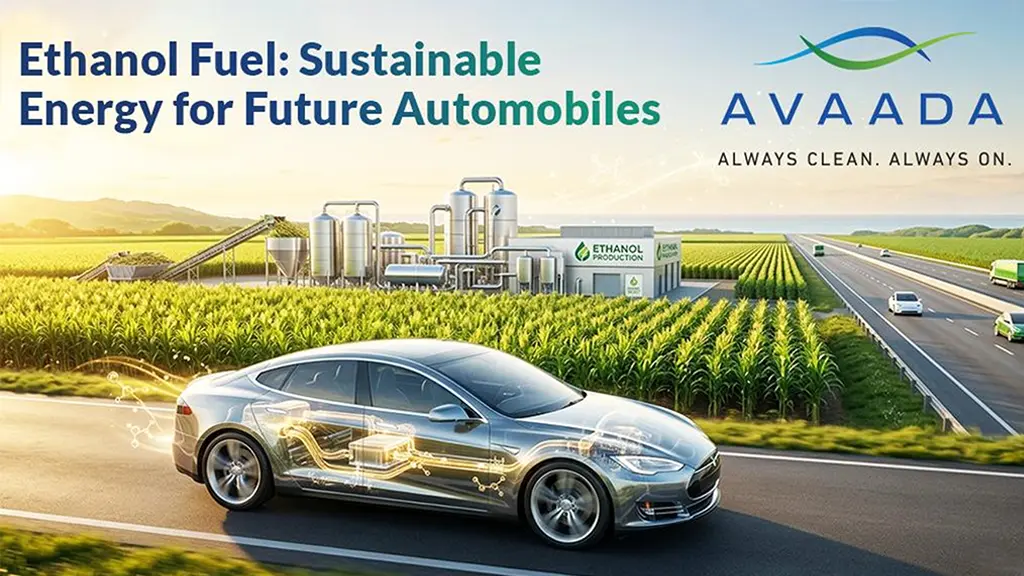
Ethanol fuel is an important part of India’s plan to reduce carbon emissions in transportation and become energy independent. As a renewable biofuel primarily produced by fermenting plant sugars, ethanol used as fuel offers a circular alternative to traditional petroleum products. Across the country, this biofuel is primarily produced from sugarcane molasses, maize, and damaged food grains. This production model directly supports the agricultural economy by providing farmers with a reliable market for their surplus and damaged crops. By blending ethanol with gasoline, the nation reduces its heavy reliance on expensive crude oil imports while lowering the carbon footprint of every kilometer driven. This transition is a socio-economic necessity that utilizes indigenous resources to power the mobility of a growing population.
Ethanol Uses in India
The application of fuel used in automobiles has undergone a rapid transformation due to the Ethanol Blended Petrol (EBP) program. Ethanol use in India extends beyond simple blending, as it is integrated into a multi-sectoral strategy to stabilize sugar prices and manage surplus grain.
- Fuel Blending: The nation has achieved a 15% ethanol blending rate, moving steadily toward the 20% (E20) target.
- Power Generation: Ethanol-based generators offer a cleaner alternative to diesel sets for decentralized power in remote areas.
- Chemical Feedstock: Ethanol serves as a vital raw material for paints and pharmaceuticals, reducing industrial carbon intensity.
- Cooking Fuel: Pilot programs utilize ethanol stoves to provide a smokeless indoor environment compared to biomass.
The diversification of ethanol applications ensures that the energy transition supports both urban mobility and rural industrialization.
Benefits of Ethanol Fuel
Adopting ethanol fuel offers multifaceted advantages for the environment and the national economy. The benefits of ethanol are most evident in reduced tailpipe emissions and strengthened energy security.
- Lower Carbon Emissions: Ethanol contains oxygen, which allows the engine to combust fuel more completely and reduces carbon monoxide emissions compared to pure gasoline.
- Economic Resilience: Domestic feedstock utilization strengthens the national balance of payments by saving billions in foreign exchange, with ethanol blending having saved approximately ₹40,000 Crore in the 2024–25 fiscal year alone.
- Boost to Agriculture: Farmers receive timely payments for crops such as sugarcane and maize, creating a stable and reliable secondary income stream.
- High Octane Rating: Ethanol has a higher octane rating than gasoline, improving engine performance and enabling higher compression ratios.
- Biodegradability: Ethanol remains non-toxic and biodegradable, posing significantly less risk to soil and groundwater in the event of a spill.
These advantages position ethanol as a practical and immediate tool for environmental conservation in the transport sector.
Also Read: Ethanol vs Methanol: Key Differences, Uses, and Conversions
Ethanol Fuel Cars and Technology
The Indian automotive sector transitioned to a high-ethanol fuel economy in early 2026. This shift is supported by updated fuel standards and manufacturing mandates designed to enhance engine performance while reducing environmental impact.
1. Nationwide E20 Fuel Mandate
Effective April 1, 2026, the Government of India has mandated the sale of E20 petrol (a blend of 80% gasoline and 20% ethanol) across all states and Union Territories. To ensure combustion stability with higher ethanol content, the Ministry of Petroleum and Natural Gas now requires this fuel to have a minimum Research Octane Number (RON) of 95.
- Engine Protection: The higher octane rating prevents “knocking” (premature ignition), which is critical for maintaining the health of modern, high-compression engines.
- Standardization: All E20 fuel must conform to Bureau of Indian Standards (BIS) specifications to ensure consistent quality and moisture control nationwide.
2. Flex Fuel Vehicle (FFV) Integration
In alignment with BS-VI (Stage II) emission norms, the Ministry of Road Transport and Highways (MoRTH) has directed automobile manufacturers to accelerate the production of Flex Fuel Vehicles (FFVs) and Flex Fuel Strong Hybrid Electric Vehicles (FFV-SHEVs).
- Operational Range: These vehicles are engineered with specialized fuel sensors and corrosion-resistant materials, allowing them to operate on any ethanol-gasoline blend, typically ranging from E10 to E85 or even E100 (pure ethanol).
- Manufacturing Timeline: Manufacturers are encouraged to introduce these models on a time-bound basis, giving consumers the flexibility to choose among various biofuel ratios based on availability and cost.
Ethanol and Methanol Comparison
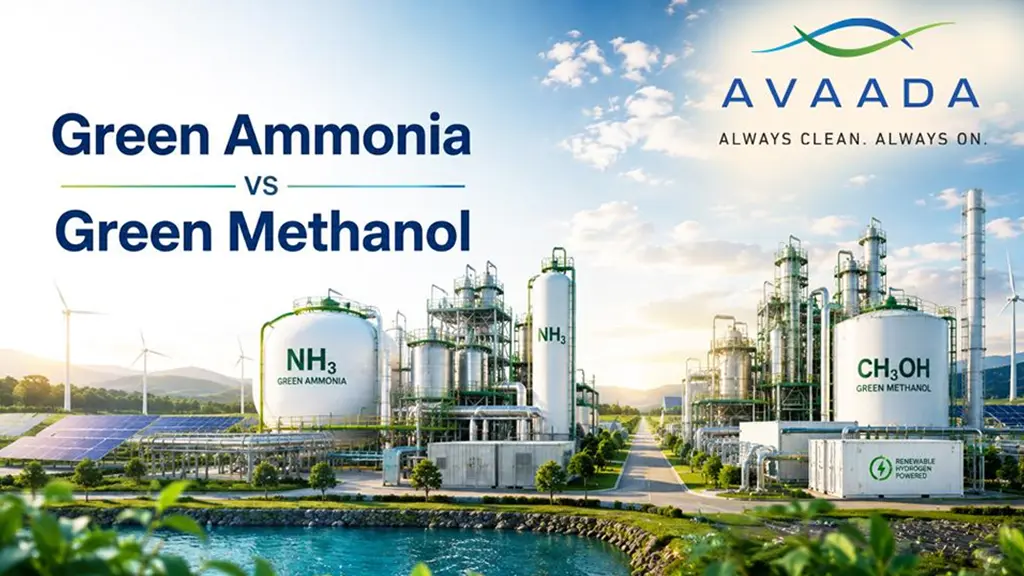
While both are alcohols, ethanol and methanol serve distinct roles in the energy hierarchy. Green methanol is increasingly viewed as a solution for heavy-duty shipping and long-haul transport, whereas ethanol remains the primary choice for passenger vehicles.
India’s Ethanol Blending Programme prioritizes ethanol for light-duty vehicles produced from agricultural feedstocks, achieving E20 blending ahead of targets under the National Policy on Biofuels. Green methanol, defined under MNRE standards with emissions ≤0.44 kg CO₂ eq/kg, targets maritime decarbonization through CO₂ capture and green hydrogen synthesis. Ethanol’s gasoline compatibility supports rapid scaling in passenger cars and two-wheelers, while methanol’s specialized infrastructure is well-suited to shipping and industrial pilots.
The choice between ethanol and methanol depends on the specific energy requirements of the transport segment. While ethanol scales through the agricultural sector, green methanol utilizes industrial by-products to drive decarbonization.
Green Methanol and Hydrogen Fuel in India
Beyond ethanol, the rise of green methanol and hydrogen fuel in India signals a diversified approach to net-zero goals. Green methanol is produced by combining captured carbon dioxide with green hydrogen, which makes it a carbon-neutral fuel. Avaada Group is a part of this transition, actively developing projects including a 0.5 MTPA facility under implementation at Gopalpur Port, Odisha, with plans to launch more in two states over the next three years. The Mumbai-based company recognizes that solar energy plays a pivotal role in powering the electrolysis needed for hydrogen production. By using advanced TOPCon solar modules, which deliver higher efficiency and better performance in India’s climate, the cost of green hydrogen production becomes more competitive. This hydrogen can either be used directly in fuel cells or converted into green methanol for the maritime sector. The integration of high-efficiency solar technology ensures that the entire value chain of these alternative fuels remains sustainable.
Conclusion
The path to a sustainable transport sector in India is paved with renewable alcohols and hydrogen. Ethanol has proven to be a reliable, homegrown solution that benefits both the environment and farmers. As the nation moves toward higher blending mandates and explores the potential of green methanol, the role of clean energy providers becomes vital. Avaada continues to drive this change by deploying high-efficiency TOPCon solar modules to power the production of tomorrow’s fuels. By choosing renewable pathways, India is securing a cleaner and more resilient energy future.
Join the movement toward a greener tomorrow. Explore how Avaada solar innovations are powering the next generation of sustainable fuels.
FAQs
What makes ammonia fuel a sustainable energy source?
Ammonia fuel is considered sustainable because its combustion does not release CO2. When ammonia is produced using green hydrogen, which is generated from solar power, the entire lifecycle of the fuel is carbon-neutral.
How safe is ammonia fuel compared to conventional marine fuels?
While ammonia is toxic and requires careful handling, the maritime industry has decades of experience transporting it as cargo. Safety protocols include double-walled storage tanks and advanced leak detection systems.
Can ammonia fuel cells replace diesel engines in maritime vessels?
Ammonia fuel cells are a viable replacement for diesel engines in ships. They convert the chemical energy of ammonia directly into electricity with high efficiency and zero nitrogen oxide emissions.
What are the main challenges in scaling green ammonia production in India?
The primary challenges include the high initial capital expenditure for electrolyzers and the need for a constant supply of low-cost renewable energy. However, the adoption of high-efficiency TOPCon solar modules is helping to reduce the cost of electricity.
How does green ammonia contribute to sustainable aviation fuel?
Green ammonia acts as an efficient hydrogen carrier. In the aviation sector, it can be cracked to provide high-purity hydrogen for fuel-cell aircraft.