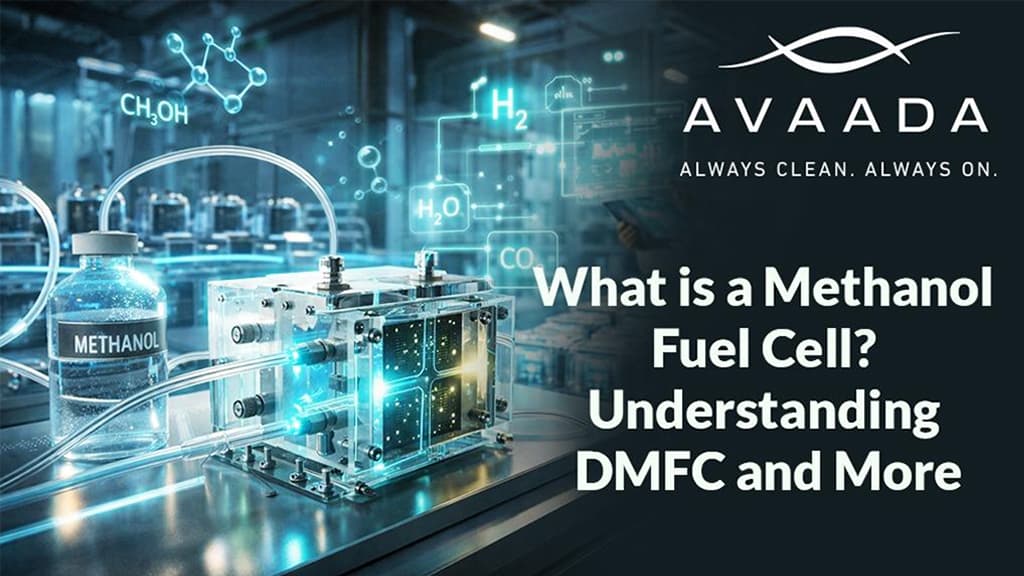
The global transition to a low-carbon economy has made the adoption of advanced electrochemical devices a top priority. A methanol fuel cell is a key innovation in this shift. It is an energy-conversion device that directly converts the chemical energy of methanol fuel into electricity. Unlike traditional combustion engines, these cells operate through electrochemical reactions. This process produces power with high efficiency and significantly lower emissions. Understanding how these systems work is essential for building a sustainable infrastructure.
Introduction to Methanol Fuel Cells
A methanol fuel cell is a specific type of fuel cell that uses methanol (CH₃OH) as its primary fuel source. These devices convert the chemical energy stored in liquid methanol and oxygen from the air into electrical energy, heat, and water. Many regions are rapidly expanding non-fossil fuel capacity to meet climate goals. Within this energy ecosystem, methanol-based systems are gaining popularity because they provide continuous power when solar or wind energy is unavailable.
The liquid state of methanol makes it easier to store and transport than gaseous hydrogen. It fits easily into existing liquid fuel infrastructure, such as tanks and pumps. Methanol-based power generation plays a vital role in reducing dependence on crude oil and achieving net-zero carbon targets.
Understanding DMFC
Direct Methanol Fuel Cells (DMFC) are a subcategory of Proton-Exchange Membrane Fuel Cells (PEMFC). In these systems, methanol is fed directly into the cell without first being converted to hydrogen gas. This design simplifies the overall system. A DMFC consists of an anode, a cathode, and a polymer electrolyte membrane.
The Electrochemical Process
The conversion of fuel to energy happens through specific chemical reactions at the electrodes:
1.Anode Reaction
Methanol and water are introduced at the anode. A catalyst, usually made of platinum and ruthenium, breaks them down into carbon dioxide, protons, and electrons.
CH₃OH + H₂O → CO₂ + 6H⁺ + 6e⁻
2.Proton Transport
The polymer membrane acts as a filter. It allows protons (H⁺) to pass to the cathode but blocks electrons.
3.Cathode Reaction
The protons travel through the membrane while the electrons travel through an external circuit to create electricity. At the cathode, they combine with oxygen from the air to form water.
3/2O₂ + 6H⁺ + 6e⁻ → 3H₂O
This streamlined design allows for immediate power generation without the need for bulky external fuel processors.
Must Read:- What Are Green Fuels
Applications of DMFC
DMFC systems are highly versatile due to their compact size and liquid fuel source. Common uses include:
- Portable Electronics: Charging laptops, mobile phones, and military gear that require long runtimes.
- Remote Monitoring: Powering weather stations and sensors in rugged or isolated locations.
- Leisure and Tourism: Providing silent, off-grid electricity for recreational vehicles (RVs) and remote cabins.
- Emergency Services: Serving as portable power banks for first responders in regions affected by natural disasters.
These systems are often preferred for high-endurance applications in the defence and telecommunications sectors, where battery charging is impractical.
Advantages and Disadvantages of DMFC
Evaluating DMFC technology requires examining both its operational strengths and current technical hurdles.
| Feature | Advantage | Disadvantage |
| Energy Density | High energy density compared to compressed hydrogen. | Fuel Crossover: Methanol can leak through the membrane, lowering efficiency. |
| Startup Speed | Fast startup at low temperatures (50°C to 120°C). | Catalyst Cost: Uses expensive precious metals like platinum. |
| Refueling | Liquid fuel can be replenished in minutes. | Efficiency: Generally lower efficiency than hydrogen-fed cells. |
Indirect Methanol Fuel Cell Explained
An Indirect or Reformed Methanol Fuel Cell (RMFC) uses a different design than a DMFC. It includes a component called a reformer. This reformer converts the methanol fuel into a hydrogen-rich gas before it enters the fuel cell stack.
RMFC Working Principle
The process involves steam reforming, where methanol and water react to produce hydrogen:
CH₃OH + H₂O → CO₂ + 3H₂
The hydrogen then reacts in a standard PEM fuel cell to produce electricity. RMFCs usually have higher efficiencies than DMFCs because they avoid fuel crossover. They are commonly employed for greater power needs, where the improved fuel efficiency makes the added complexity of the reformer worthwhile.
Sustainable Aviation Fuel and Green Initiatives
The aviation sector is difficult to decarbonize. Sustainable Aviation Fuel (SAF) is a primary solution, and methanol plays a major role in it. Through the Methanol-to-Jet (MtJ) pathway, methanol can be converted into synthetic kerosene.
This process can reduce lifecycle greenhouse gas emissions by up to 80% compared to traditional jet fuel. As countries set higher SAF blending limits, methanol fuel cells and their derivatives offer a scalable path to cleaner air travel. Developing a methanol value chain is a key step in meeting international aviation standards.
Conclusion
Methanol fuel cells represent a vital bridge to a cleaner, more resilient future. By offering a practical, high-density energy solution, they address the limitations of battery storage and gaseous hydrogen. From providing silent backup power for remote telecom towers to serving as a cornerstone for sustainable aviation fuel, this technology has a profound global impact. As nations strive for energy independence and net-zero emissions, adopting these advanced electrochemical systems will be a defining factor in success. Integrating methanol into the green energy mix ensures that the transition to a low-carbon economy is both technically feasible and economically sustainable.
Avaada provides customized clean energy solutions, including the integration of fuel cell technology for off-grid and industrial applications. Our technical support and scalable systems help businesses transition to sustainable power without compromising on reliability.
Would you like to learn how Avaada can integrate fuel cell solutions into your next project? Contact us today for a consultation.
FAQs
What is DMFC?
DMFC stands for Direct Methanol Fuel Cell. It is a device that generates electricity by using liquid methanol as fuel without needing a reformer to convert it to hydrogen first.
How does a methanol fuel cell generate electricity?
It uses an electrochemical reaction. It splits methanol and water at the anode, releasing electrons and protons. Electrons flow through a circuit to generate electricity, while protons react with oxygen at the cathode to form water.
What are the main types of fuel cells?
The main types include Proton Exchange Membrane (PEMFC), Direct Methanol (DMFC), Alkaline (AFC), Phosphoric Acid (PAFC), Molten Carbonate (MCFC), and Solid Oxide Fuel Cells (SOFC).
What advantages does methanol fuel offer over hydrogen?
Methanol is a liquid at room temperature. This makes it much easier and cheaper to transport and store using existing infrastructure compared to high-pressure hydrogen gas.
How do methanol fuel cells support green fuel initiatives?
They can use Green Methanol produced from renewable sources like biomass or captured CO₂. This creates a carbon-neutral energy cycle for transportation and industry.