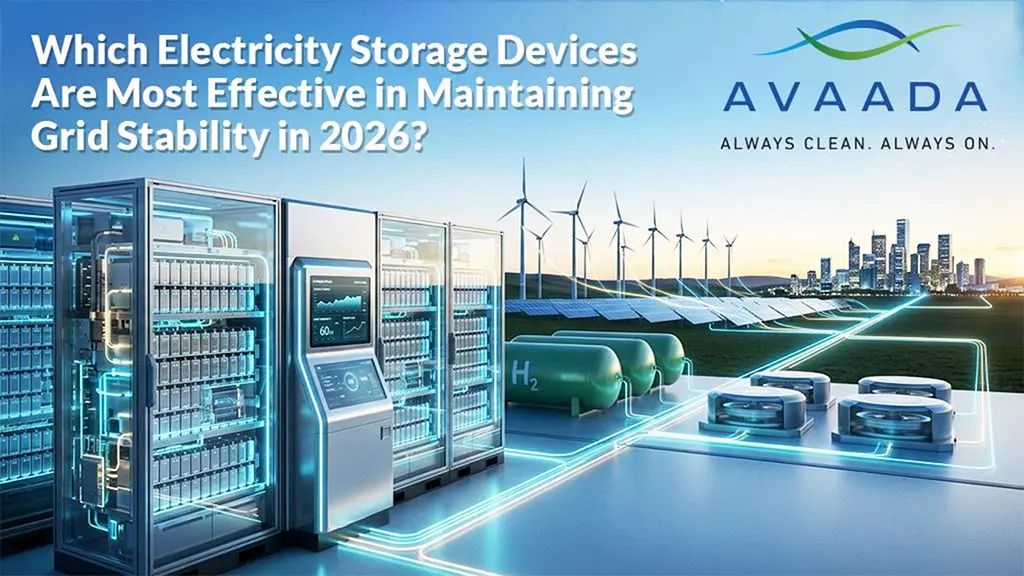
As India moves toward its Net Zero 2070 goal, integrating solar and wind power requires a strong framework of energy storage systems. An electricity storage device acts as a buffer, bridging the gap between intermittent renewable generation and fluctuating consumer demand. It captures extra energy when demand is low and releases it when the grid is under stress. In 2026, the focus is on high‑quality electrical energy storage systems capable of handling the 90-GW-scale load variability observed in the Indian power sector. These systems help maintain a stable grid frequency (50 Hz), prevent blackouts, and support a reliable national electricity supply by ensuring a continuous balance between supply and demand.
Types of Energy Storage Systems
Energy storage solutions are categorized based on three key criteria: the duration of energy discharge, the speed of response, and the physical methods employed for energy storage. Choosing the right types of energy storage systems depends on whether the priority is instant frequency control or long‑term energy shifting.
Battery Energy Storage Systems
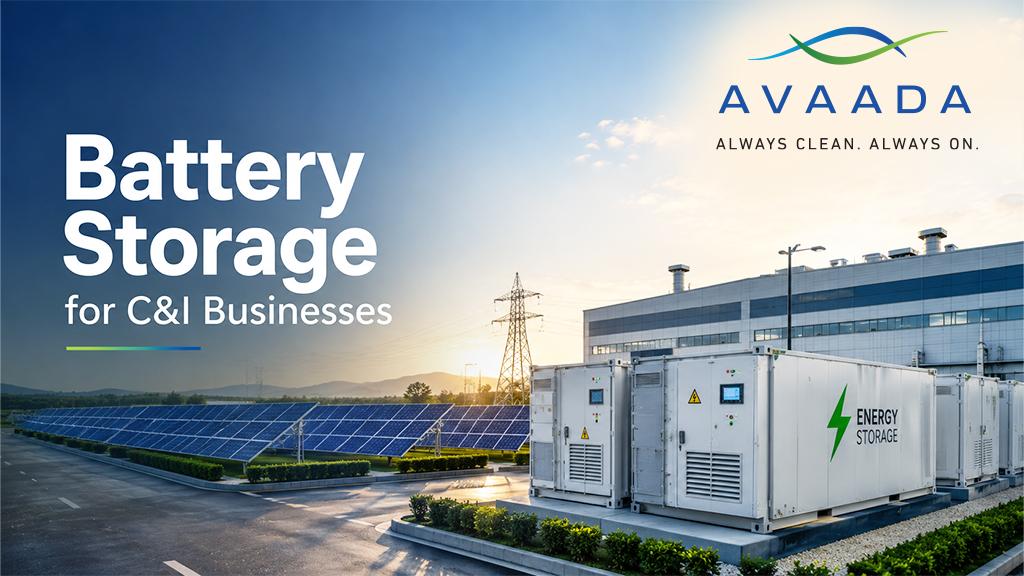
The deployment of Battery Energy Storage Systems (BESS) has expanded significantly in 2026, marking a crucial transition in global energy infrastructure. India’s capacity is expected to reach 5 GWh this year, a massive increase from 2025. These systems are crucial for peak shaving, leveling out high electricity usage by releasing stored energy during peak demand. This reduces strain on the power grid and minimizes reliance on costly backup power plants, enhancing grid stability and efficiency. A solar battery storage system allows solar plants to supply power during evening peak hours from 6:00 PM to 10:00 PM.
In 2026, Lithium Iron Phosphate (LFP) is popular for electrical energy storage due to its quick response for frequency regulation. Solid-state batteries excel in compact urban storage, prioritizing safety and high energy density. For longer durations of 6 hours or more, Vanadium Redox flow batteries are favored for their scalability. Hybrid renewable energy power plants now use battery energy storage systems (BESS) and pumped storage power (PSP) to manage fluctuations in energy generation and support grid frequency.
Mechanical Storage Systems
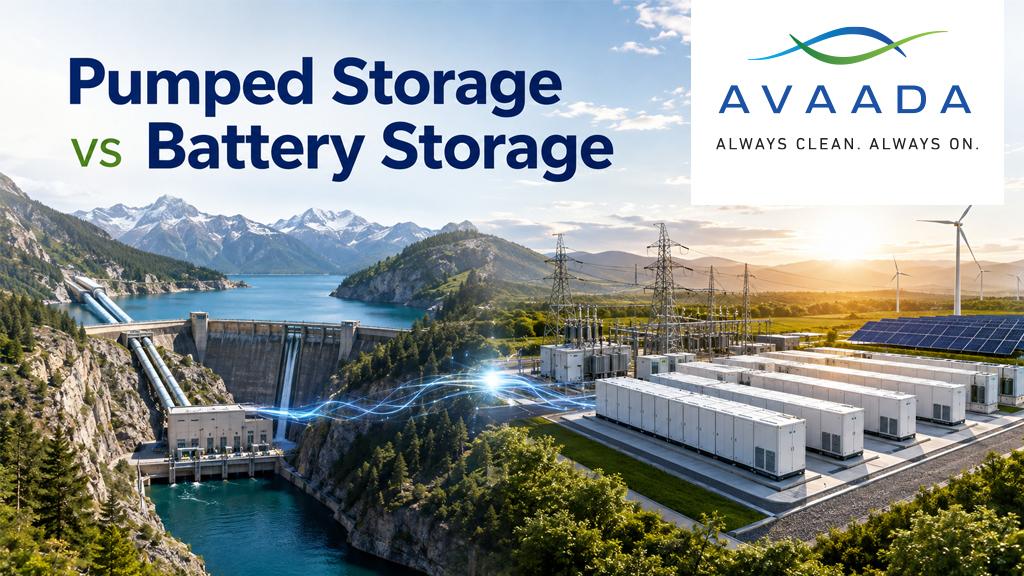
Pumped hydropower storage is the most common large‑scale mechanical energy storage system in India. The Central Electricity Authority (CEA) has identified significant potential for pumped‑hydro projects, many of them located away from natural rivers. In 2026, several off-river pumped-hydro schemes are being built to provide 8 to 10 hours of storage. This duration provides a reliable alternative for long-term power delivery when compared to the shorter discharge cycles of standard battery systems.
Mechanical storage systems like pumped hydropower offer the endurance needed to replace coal‑based power during extended periods without sun or wind, while supporting national grid stability.
Also Read: What is BESS, and how does it work?
Role of Energy Storage in Renewable Energy Integration in India
Integrating energy storage and renewable energy is central to India’s goal of 500 GW of non‑fossil capacity by 2030. NITI Aayog reports highlight that as electricity demand grows, renewable energy storage is the key tool for a stable grid. In regions such as Rajasthan, energy storage systems help prevent reductions in solar energy generation by absorbing excess power when the grid cannot handle the full supply.
By storing surplus generation and dispatching it during high‑demand periods, energy storage systems maximize the use of green power. This improves grid stability and enhances the return on investment for renewable energy projects.
Benefits and Impact of Energy Storage Systems on Grid Stability
Energy storage systems bring multiple benefits for grid stability:
- Frequency control: BESS and pumped hydro act as high-speed balancers. They can inject or absorb power in milliseconds to correct sudden changes in grid speed (frequency). This prevents power outages when a large power plant fails or when demand suddenly spikes.
- Black-start capability: Specific storage systems serve as a “jump-start” for the grid. After a total blackout, they provide the initial electricity needed to restart larger power plants and re-energize transmission lines without needing power from the outside.
- Voltage support: Batteries placed along power lines help keep voltage levels steady. This prevents equipment damage and ensures that electricity reaches homes and factories at the correct, safe levels, even on older or weaker parts of the grid.
- Lower carbon emissions: By storing clean energy and releasing it during busy hours, these systems replace “peaker” plants that burn coal or gas. This shift significantly lowers carbon emissions and helps meet national climate goals for 2026.
Energy storage shifts the grid toward a more flexible, modern power ecosystem that can handle high shares of solar and wind.
Solar Battery Storage Systems: Enhancing Solar Power Efficiency
A solar battery storage system paired with TOPCon (Tunnel Oxide Passivated Contact) solar modules represents the high-efficiency standard for 2026. TOPCon-based modules offer a significant performance advantage, with commercial efficiency ratings now reaching 23%–25%. These N-type Topcon modules are engineered for superior thermal stability, maintaining higher output in extreme heat, and feature a lower annual degradation rate of approximately 0.4%. This durability ensures an extended operational lifespan of 25 to 30 years, providing a consistent and reliable energy supply to the storage system.
Integrating advanced solar technology with battery storage creates a highly dependable, all-day clean energy resource. This combination supports grid stability and minimizes the involuntary restriction of solar generation by storing surplus power for use during peak evening hours.
Avaada’s Energy Storage Deployments in India
Avaada is Actively Working on the integration of solar and energy storage systems in India. In Rajasthan, Avaada has developed a project featuring a 2,500 MWh battery energy storage system, one of the largest in the country. This BESS is paired with a 1,560 MWp solar plant, ensuring that clean energy remains available even after sunset.
By combining large‑scale solar capacity with significant battery reserves, Avaada’s projects help stabilize the regional grid, reduce curtailment, and support India’s broader renewable‑energy targets. These deployments demonstrate that reliable, round‑the‑clock renewable power is already feasible in 2026.
Also Read: Energy Storage – the Next Challenge in the Energy Transition
Conclusion
In 2026, the efficiency of an energy storage system is determined by its ability to support a rapidly evolving electrical grid. Battery Energy Storage Systems (BESS) provide the high-speed response necessary for immediate stability and short-term load balancing. In contrast, pumped hydropower storage offers the high capacity and longer discharge durations required for long-term grid reliability.
Avaada is a part of this transition, using energy storage solutions that combine TOPCon solar modules with large battery reserves. These technologies form a key pathway to a sustainable and stable power future for India.
To explore high-efficiency, 24/7 clean energy solutions for your utility-scale projects, contact Avaada for a technical consultation about our integrated TOPCon solar modules and BESS services.
FAQs
What is an electricity storage device, and how does it work?
An electricity storage device is a system that captures energy produced at one time for use during a later period. It functions by converting electrical energy into storable forms, such as chemical, mechanical, or thermal, and then converting it back into electricity when the grid requires additional supply.
Which types of energy storage systems are best for renewable energy?
Lithium-ion batteries are ideal for rapid, short-term stability (seconds to 4 hours). For durations exceeding 6-10 hours, Pumped Hydropower Storage (PHS) and Vanadium Redox Flow Batteries are more effective due to their superior scalability and lower long-term degradation rates.
How does a solar battery storage system improve grid stability?
A solar battery storage system improves grid stability by shifting loads, capturing surplus solar generation during midday, and discharging it during the evening peak (6:00 PM – 10:00 PM). This reduces the strain on transmission lines and prevents the need for carbon-intensive backup power plants.
What are the advantages of pumped hydropower storage?
Pumped hydropower storage (PHS) provides significant energy capacity and an operational lifespan frequently exceeding 40-50 years. This technology offers a functional solution for bulk energy storage, capable of supporting the national grid for multiple days during periods of low renewable output.
How do energy storage systems support India’s renewable energy goals?
Storage systems are crucial for India to integrate 500 GW of non-fossil fuel capacity by 2030. By buffering the variability of wind and solar power, these technologies ensure a continuous, reliable 50 Hz frequency, making a high-renewable grid technically feasible.