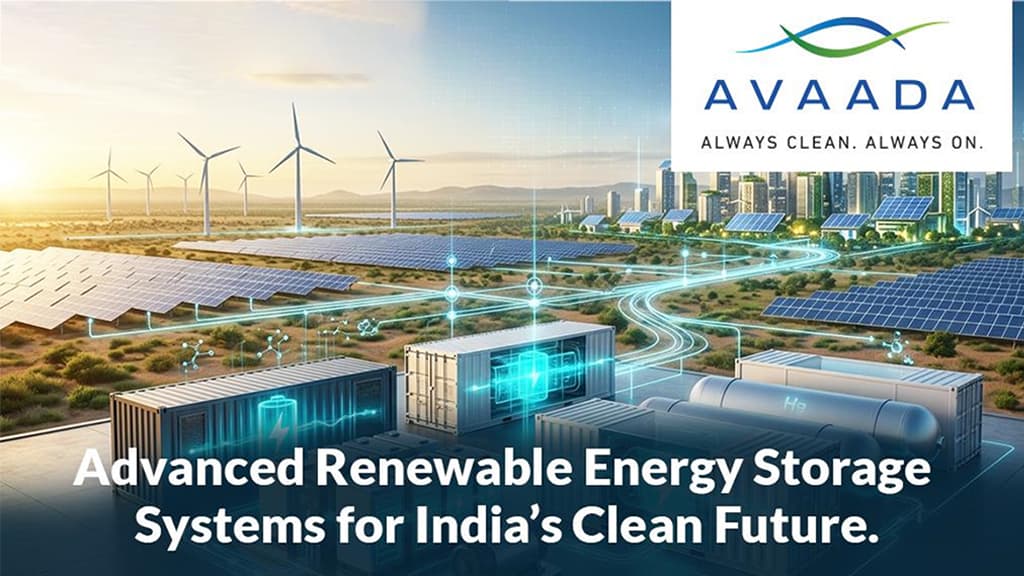
India aims to achieve 500 GW of renewable energy capacity by 2030. To do this, it’s essential to have advanced energy storage systems capable of supporting the power grid. This move aligns with India’s goal of having 50% cumulative installed capacity come from non-fossil sources and reducing emission intensity by 45%. As of 2026, the grid already manages over ~150 GW of solar energy, highlighting the need for strong infrastructure to store excess power. Energy storage systems help smooth out fluctuations in energy production and enable more efficient use of clean energy, ensuring the grid remains stable and reliable, even when sunlight or wind is unavailable.
Understanding Renewable Energy Storage Systems
Renewable energy storage systems function by decoupling energy generation from consumption, ensuring that power is available exactly when the population needs it. In regions where solar radiation is abundant but localized, storage systems mitigate the risks of frequency fluctuations and sudden power drop-offs.
According to the National Electricity Plan (NEP) 2022–32, India’s total energy storage requirement for 2026-27 is projected at 16.13 GW with a capacity of 82.37 GWh, split between Pumped Storage and Battery Energy Storage Systems. This infrastructure is essential for peak shifting, which redirects surplus midday solar energy to meet high-demand periods in the evening. This strategy helps reduce the grid’s dependence on coal-fired plants, which are both costly and carbon-intensive to ramp up for short-duration consumption spikes.
Types of Energy Storage Systems in India
India’s diverse geography enables a technology-agnostic approach that uses chemical, mechanical, and thermal storage solutions to meet regional requirements.
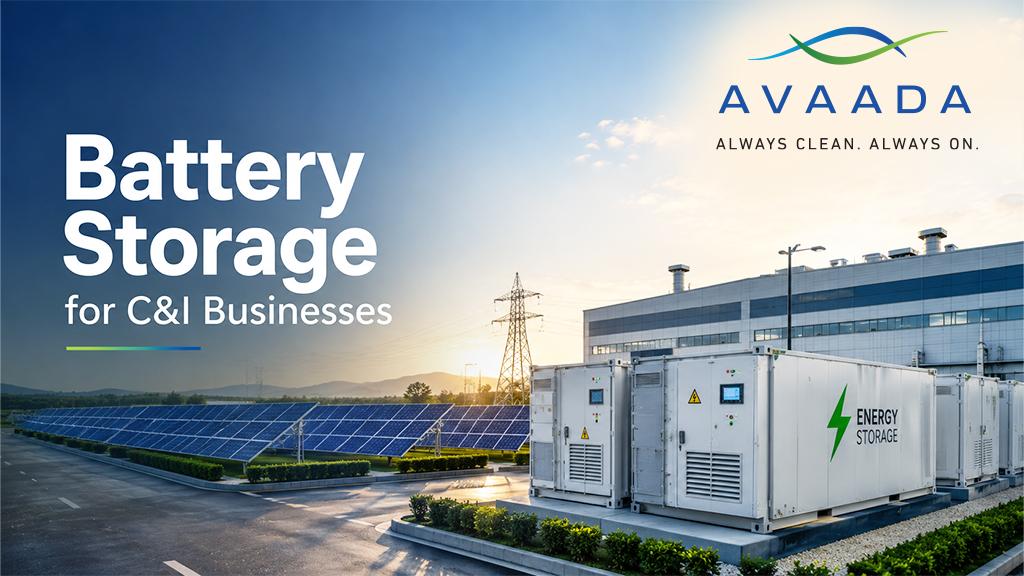
1. Battery Energy Storage Systems (BESS)
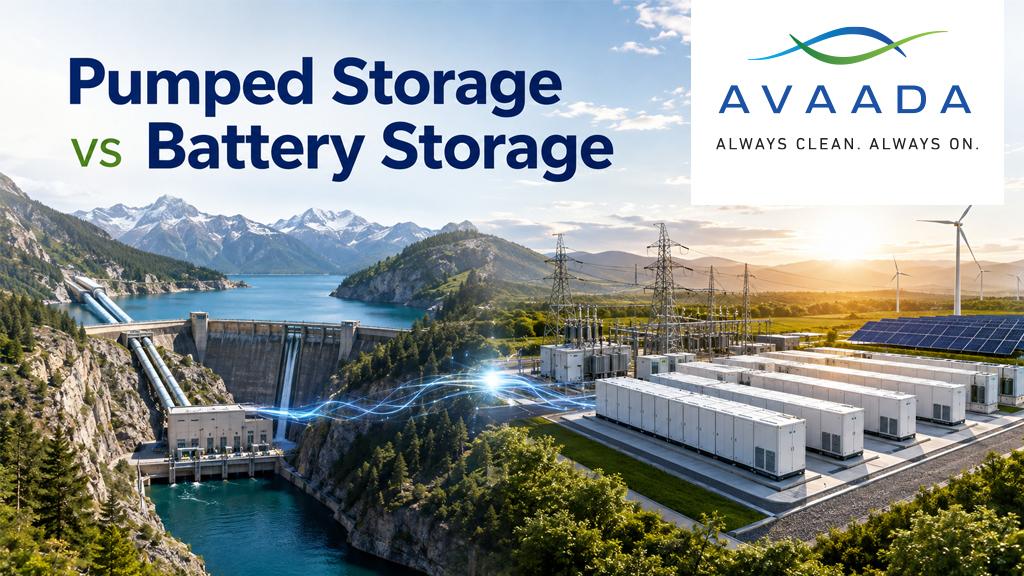
BESS remains the fastest-growing segment due to its modularity and rapid response time. As of 9.6 GW of BESS Capacity under construction and 19.8 GW are under the Tendering Stage. Lithium-ion batteries are currently dominant for short-duration grid frequency regulation. Solid-state batteries are gaining traction in India’s high-temperature climates for their higher energy density and improved safety. Additionally, flow batteries are ideal for long-duration storage because they allow for independent scaling of power and energy.
2. Pumped Hydro Storage
Mechanical storage via Pumped Hydro Storage is India’s most established large-scale solution. This infrastructure facilitates peak shifting by redirecting surplus midday solar energy to meet evening peak demand. Significant potential exceeding 100 GW has been identified, with gradual development underway.
3. Thermal and Chemical Storage
India is exploring advanced thermal and chemical methods to provide long-term stability and support for heavy industries.
- Thermal: Concentrated Solar Power (CSP) projects in Rajasthan use molten salts to store heat for round-the-clock electricity.
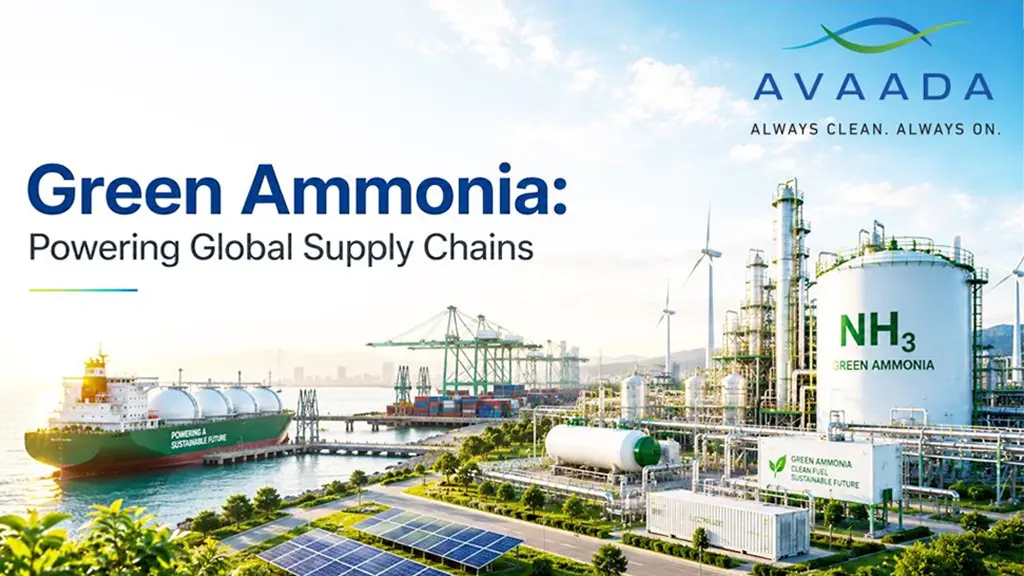
- Green Hydrogen: Acting as a long-term chemical storage medium, green hydrogen is produced via electrolysis during periods of surplus renewable energy and can be stored for industrial use or reconverted to electricity.
Also Read: Renewable Energy Trends: What’s Driving Global Adoption and Investment?
Innovations and Domestic Manufacturing
To reduce reliance on international supply chains for battery cells, the Government of India launched the Production Linked Incentive (PLI) Scheme for Advanced Chemistry Cell (ACC) Battery Storage. With an outlay of ₹18,100 Crore, the scheme targets 50 GWh of domestic manufacturing.
By early 2026, several major domestic players will have begun commissioning capacities. These innovations are being paired with Artificial Intelligence (AI) to optimize battery management systems (BMS), helping extend life cycles by predicting cell degradation before it occurs.
Economic Impact and Market Growth
The market for energy storage systems in India is supported by the government’s Energy Storage Obligations (ESO), which mandate that a certain percentage of energy consumption be supplied by stored renewable energy. This percentage is set to rise gradually, reaching 4% by the financial year 2029-30.
This policy framework facilitates a robust storage market. The PLI scheme encourages investment in the domestic manufacturing of cells for grid-scale applications, reducing dependency on imports. These advancements help lower the cost of BESS over time, making renewable energy combined with storage increasingly competitive with traditional coal-based power.
Practical Applications Across Sectors
Energy storage technology is being customized to serve different levels of the Indian economy, from national grids to individual households.
- Utility-Scale: Stabilizing the national grid and preventing blackouts during sudden load changes through massive battery banks.
- Commercial & Industrial (C&I): Mitigating high Time-of-Day (ToD) tariffs and reducing operational costs for factories using TOPCon solar and BESS.
- Residential: Empowering one crore households under the Muft Bijli Yojana to achieve energy independence via rooftop solar and small-scale storage.
- Microgrids: Ensuring 24/7 electricity in remote Himalayan or island regions where grid extension is physically or economically unfeasible.
These diverse applications demonstrate that storage is a versatile tool capable of solving energy access issues across all demographics in India.
Also Read: Sustainable vs Renewable Energy: Understanding the Core Differences
Conclusion
Advanced renewable energy storage is the cornerstone of India’s Viksit Bharat vision for 2047. By combining high-efficiency generation, such as TOPCon modules, with a diverse array of storage technologies, India is ensuring that its clean energy transition is both sustainable and continuous. As costs fall and domestic manufacturing scales, storage will be the key to unlocking a 100% renewable future.
Secure your energy future with Avaada. Contact us today to integrate high-efficiency TOPCon modules with advanced storage solutions for a reliable, 24/7 clean power supply.
FAQs
What are renewable energy storage systems?
These systems capture energy from renewable sources and release it during high demand to ensure a consistent power supply.
Why is energy storage critical for renewable energy?
Renewable sources are intermittent. Storage ensures a steady, 24/7 power supply by balancing the gaps between when energy is produced and when it is actually needed by the grid or consumers.
What types of energy storage systems exist?
Common types include battery storage, pumped hydro, thermal energy storage using molten salts, and chemical storage via green hydrogen.
How do energy storage systems work?
Energy storage systems convert electrical energy into another form (chemical, kinetic, or thermal) for storage. When demand increases, the system converts that stored energy back into electricity and sends it to the grid.
How does green hydrogen complement renewable energy storage?
While batteries are great for short-term needs, green hydrogen can store energy for long periods and be transported easily. It helps decarbonize heavy industries that are difficult to power with electricity alone.