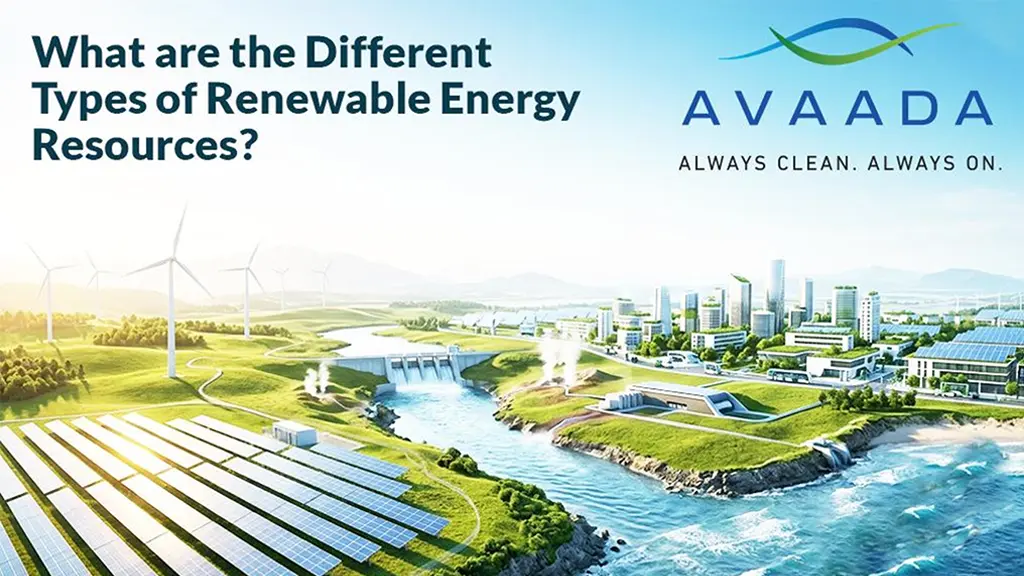
Renewable energy comes from natural sources that replenish themselves—sunlight, wind, flowing water, heat from within the Earth. Unlike coal, oil, and gas, which take millions of years to form and release harmful emissions when burned, renewable sources produce little to no greenhouse gases. This fundamental difference is why the global energy transition is accelerating. India is leading this shift, and companies like Avaada are demonstrating how it works in practice. By strategically combining solar, wind, hydro, and battery storage, they show how different renewable sources work together to deliver reliable, clean power across nine Indian states—proving that renewable energy can be both sustainable and dependable.
As businesses and governments recognize the urgency of decarbonization, there is a growing call to adopt integrated renewable energy systems that combine multiple power sources for uninterrupted, clean electricity.
This guide explains the main types of renewable energy in plain terms, what each one is, how it works, and where it fits in India’s clean energy mix.
The main types of renewable energy sources are:
- Solar energy
- Wind energy
- Hydropower (hydroelectric) energy
- Biomass energy and green fuels
- Geothermal energy
Each one harnesses a different natural cycle of the Earth, and together, supported by energy storage solutions like pumped hydro and BESS, they form the backbone of a reliable, low-carbon energy system.
Types of Renewable Energy Sources
Renewable energy sources are natural providers of power that replenish faster than we consume them. Each of the main types works differently and suits different needs; some deliver steady round-the-clock power, while others depend on the weather or time of day. Here is how each renewable energy source works.
1. Solar Energy
Solar energy, often referred to as Solar Photovoltaic, or SPV (the full form of SPV), is power captured directly from the sun. It is one of the most abundant and fastest-growing renewable energy sources, widely available and increasingly affordable, which is why it forms the largest part of most modern clean energy portfolios.
There are two main ways to capture it. Photovoltaic (PV) cells, the panels you see on rooftops and in solar farms, convert sunlight directly into electricity. A Power Conditioning Unit (PCU), the full form of PCU, then converts the direct current (DC) the panels generate into the alternating current (AC) that homes, businesses and the grid actually use. Concentrated solar power systems, by contrast, use mirrors to focus sunlight, generate heat and drive turbines. Because solar output varies with location, season and time of day and stops at night, it is often paired with battery storage to keep supply steady.
Also Read: What is Solar Energy? Discover its Advantages & Limitations
2. Wind Energy
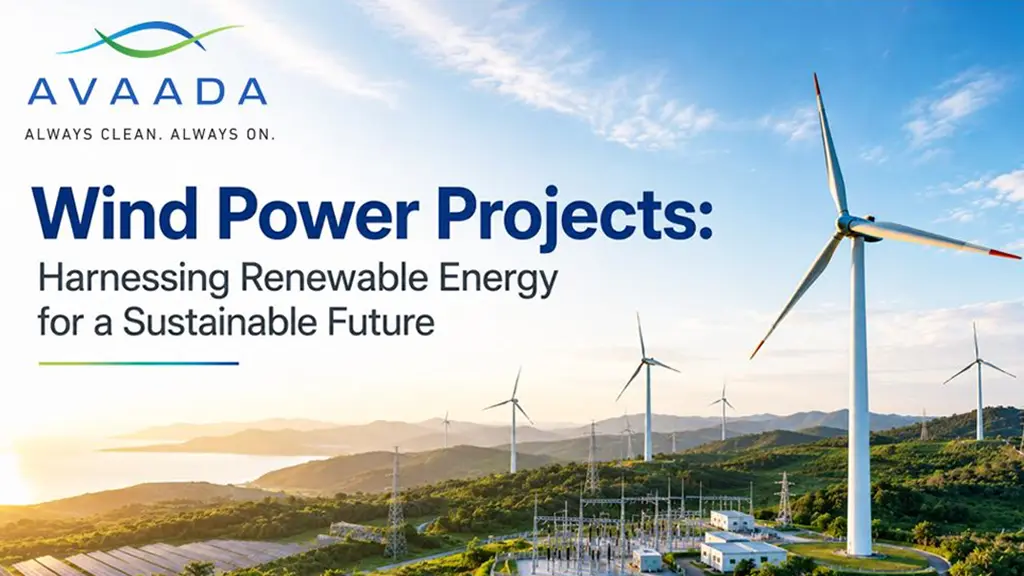
Wind energy is renewable power generated by converting the kinetic energy of moving air into electricity. As wind blows across the large blades of a wind turbine, it turns a rotor connected to a generator, which produces power. It is one of the cleanest and most cost-effective forms of renewable energy available today. Among the key advantages of wind energy are zero fuel cost, very low emissions and the ability to co-exist with farming on the same land.
Wind farms can be built in two settings. Onshore wind farms are located on land and are quicker and cheaper to install, while offshore wind energy projects sit out at sea, where winds are stronger and steadier and can generate more power. There are also two main types of wind turbines: horizontal-axis turbines, the familiar three-blade design used across most large wind farms, and vertical-axis turbines suited to smaller or urban settings. Like solar, wind is variable, so it works best as part of a diverse energy mix supported by wind energy storage.
Avaada pairs wind with solar across its multi-state portfolio to create a more balanced generation profile through solar-wind hybrid projects. Combining the two means that when sunlight dips, wind can help pick up the load, a practical way to move closer to reliable, round-the-clock clean power.
3. Hydropower (Hydroelectric) Energy
Hydropower, also called hydroelectric energy or hydro energy, uses the force of flowing or falling water to drive turbines and generate electricity. It is one of the oldest and most reliable renewable energy sources and a valuable source of stability in a clean energy system.
So how is hydroelectric power generated? In a typical hydroelectric power plant, a dam holds back a reservoir of water. When that water is released, it flows through turbines and spins them, and the connected generator converts that motion into electricity. The main types of hydro energy include run-of-river projects, reservoir (dam-based) projects and pumped storage. One of hydropower’s biggest advantages is stability: unlike solar and wind, it can provide steady baseload power and can be ramped up quickly when demand peaks, which is one of the key uses and benefits of hydro energy in a modern grid.
Avaada uses hydro as part of its energy storage strategy through Pumped Hydro Storage. Pumped storage hydropower stores surplus renewable power by moving water to a higher reservoir and releasing it through turbines to generate electricity when needed, effectively acting as a giant battery. Alongside battery systems, this pumped hydro energy storage is central to Avaada’s “Always Clean. Always On.” approach, keeping clean power available even when the sun isn’t shining or the wind isn’t blowing.
Also Read: What is a Hydroelectric Power Plant: Its Types & How it Works
4. Biomass Energy and Green Fuels
Biomass energy is renewable power produced from organic materials, things like agricultural waste, wood, crop residue, and animal manure. These materials store energy from the sun through photosynthesis, and that energy is released when they are burned, converted into biogas or processed into biofuels. What makes biomass useful is that it turns waste into a resource, converting organic by-products into usable heat, electricity or transport fuel, a practical example of the circular economy in action.
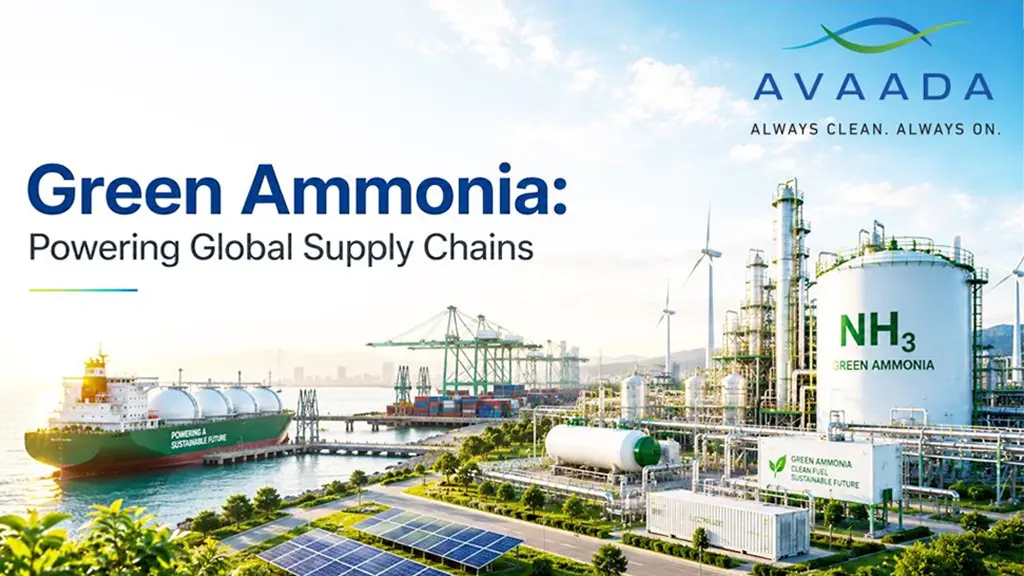
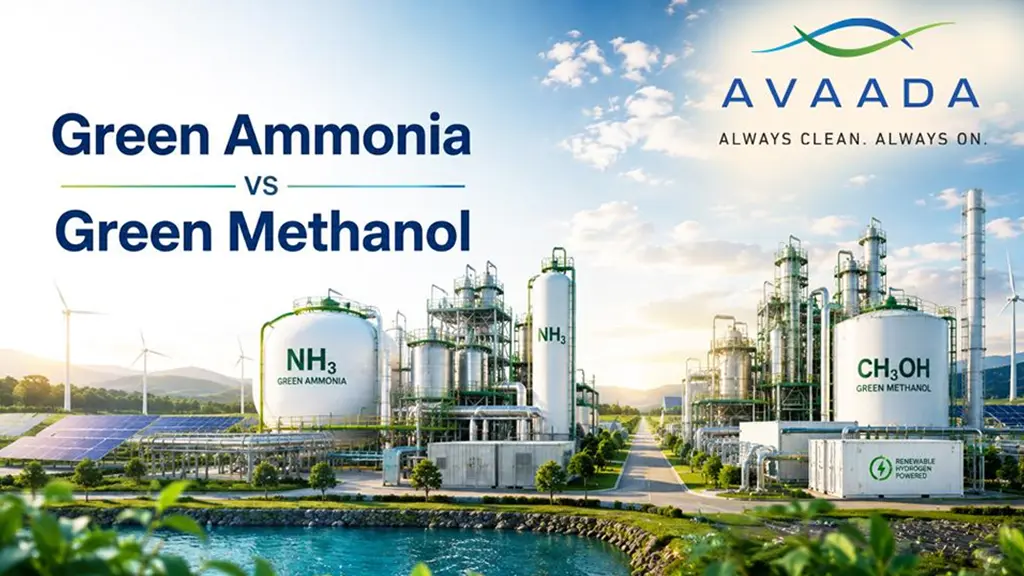
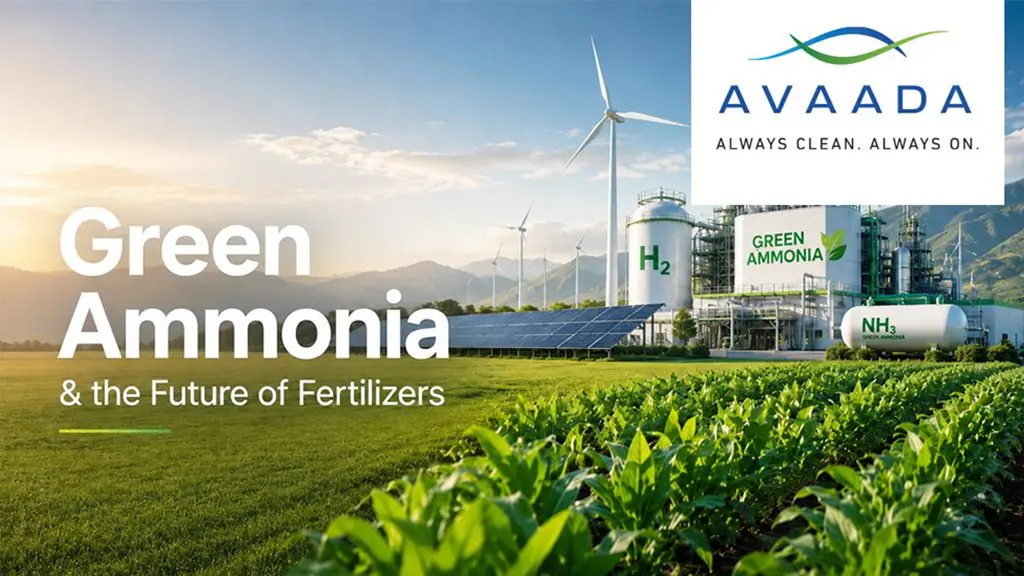
The same principle of turning resources into clean energy extends into next-generation green fuels. Green fuels are low- or zero-carbon alternatives to conventional fossil fuels, and the main types include green hydrogen, green ammonia, green methanol and Sustainable Aviation Fuel (SAF), also known as green aviation fuel. Green hydrogen is produced by splitting water using renewable electricity, making it entirely clean. Among the advantages of green fuels is their ability to decarbonise hard-to-abate sectors, such as heavy industry, shipping and aviation, that are difficult to electrify directly.
Through its dedicated Green Fuels division, Avaada produces green ammonia, green methanol and SAF, positioning it among the companies driving India’s green hydrogen and clean fuel ambitions.
Also Read: Green Fuels: What They Are, Types, Production Methods, Advantages & Environmental Impact
5. Geothermal Energy
Geothermal energy taps into the natural heat stored deep within the Earth. Just below the surface, the ground holds a vast, constant reserve of thermal energy that can be used directly for heating or to produce steam that drives turbines and generates electricity.
Its biggest strength is consistency. Because the Earth’s internal heat does not depend on the weather or the time of day, geothermal can deliver stable, 24/7 power, making it one of the few renewable energy sources that is not intermittent. It can be used at large scale in geothermal power plants or at small scale through ground-source heat pumps for heating and cooling buildings.
Geothermal is still an emerging source in India, but the goal it represents- reliable, always-available clean energy- is exactly what integrated clean energy companies pursue by combining solar and wind generation with hydro and battery storage to deliver dependable, round-the-clock renewable power.
Storing Renewable Energy: Pumped Hydro and Battery Energy Storage (BESS)
Because solar and wind are variable, energy storage solutions are what make round-the-clock clean power possible. A Battery Energy Storage System (BESS) stores electricity generated during periods of surplus and releases it when demand is high or generation drops. Most large-scale, grid-connected battery energy storage systems use lithium-ion batteries, the same technology now deployed for large-scale energy storage across the world.
There are different types of BESS, from grid-scale installations that stabilise the power network to smaller systems paired with individual solar or wind projects. Together with pumped hydro energy storage, these battery energy storage solutions allow renewable electricity to be captured when it is plentiful and delivered exactly when it is needed. This is why storage sits at the core of Avaada’s model: by integrating solar, wind, pumped hydro and BESS, the company can offer truly firm, dependable renewable power.
Why Renewable Energy is Important
The advantages of renewable energy go well beyond the environment. By replacing fossil fuels, it dramatically reduces air and water pollution and cuts the greenhouse gas emissions driving climate change. Because these sources naturally replenish, they offer a sustainable supply that will not run out the way coal, oil and gas eventually will. Advances in renewable energy technologies, from higher-efficiency solar panels and larger wind turbines to smart grid technology and better energy storage, are making clean power cheaper and more reliable every year.
There is a strong economic and strategic case too. Generating more power at home reduces dependence on imported fossil fuels, strengthens India’s energy security and creates jobs across manufacturing and installation. This is the opportunity companies like Avaada are built around. As one of the leading renewable energy companies in India, Avaada is scaling hybrid renewable energy projects, green fuels and even green data centres powered by clean electricity. Its mission is to enlighten, empower and energise every community, and, backed by a 2030 vision of 30 GWp of installed capacity and a goal of impacting a million lives, it reflects the future trends shaping India’s energy transition.
Conclusion
Renewable energy is the cornerstone of a sustainable future. Solar, wind, hydropower, biomass and geothermal each harness a different natural cycle, and together with energy storage solutions like pumped hydro and BESS, they offer a clean, reliable and increasingly affordable alternative to fossil fuels. Understanding how each renewable energy source works makes it easier to make informed energy decisions. Integrated green energy companies like Avaada bring these sources together, combining solar, wind, hydro and battery storage, backed by in-house manufacturing and green fuels, to deliver power that is “Always Clean. Always On.” As India continues its transition toward green energy, these renewable sources will play a defining role in reducing carbon footprints and ensuring a stable, secure power supply for generations to come.
FAQs
What are the main types of renewable energy?
The main types of renewable energy are solar, wind, hydropower (hydroelectric), biomass and geothermal. Each draws on a natural, continuously replenished source- sunlight, wind, moving water, organic matter and the Earth’s internal heat- and they are increasingly paired with energy storage such as pumped hydro and BESS.
What is renewable energy in simple terms?
Renewable energy is power that comes from natural sources that never run out, such as the sun and wind. Because these renewable energy sources are constantly replenished and produce little to no greenhouse gas during operation, they are also called clean or green energy.
What is wind energy and what are its advantages?
Wind energy converts the kinetic energy of moving air into electricity using wind turbines. Its advantages include zero fuel cost, very low emissions, fast deployment and the ability to build onshore or offshore wind energy projects while still using the land below for farming.
What is hydro energy and how does hydroelectric power work?
Hydro energy uses flowing or falling water to spin turbines and generate electricity. In a hydroelectric power plant, water released from a dam drives turbines connected to generators. Types of hydro energy include run-of-river, reservoir-based and pumped storage projects.
What is a Battery Energy Storage System (BESS)?
A Battery Energy Storage System (BESS) stores electricity, usually in lithium-ion batteries, and releases it when demand is high or renewable generation drops. Grid-connected BESS and pumped hydro storage are the two main energy storage solutions that make round-the-clock clean power possible.
What are green fuels and green hydrogen?
Green fuels are low- or zero-carbon alternatives to fossil fuels, including green hydrogen, green ammonia, green methanol and Sustainable Aviation Fuel (SAF). Green hydrogen is made by splitting water using renewable electricity and helps decarbonise industry, shipping and aviation.
How does a company like Avaada use these renewable sources?
Avaada is an integrated clean energy company that combines solar, wind, hydro and Battery Energy Storage Systems (BESS), supported by in-house solar PV manufacturing and a green fuels division. With over 7.2 GWp installed capacity across 207+ projects in different states, it delivers power that is “Always Clean. Always On.”