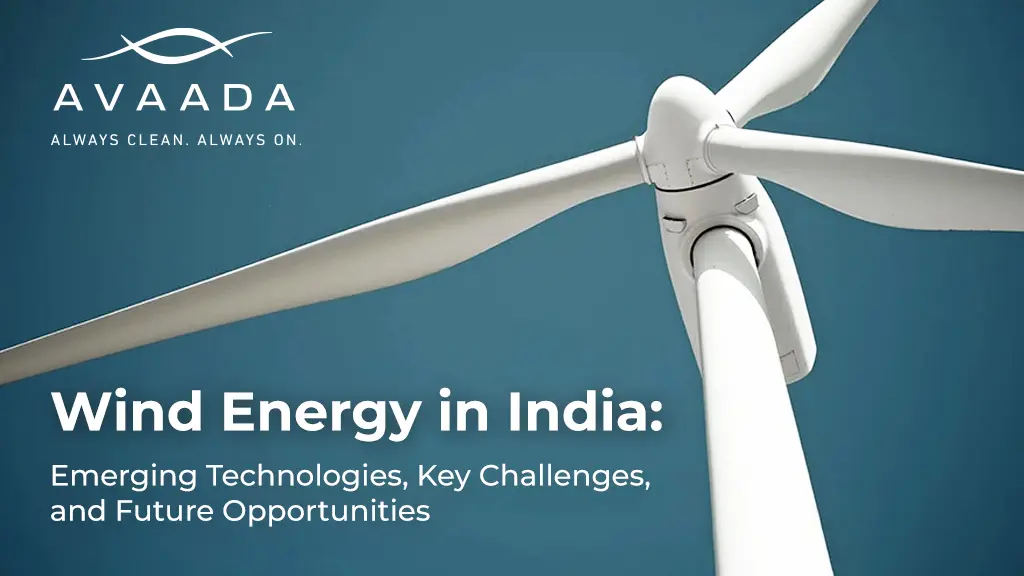
Wind Is Quietly Powering India's Clean Energy Revolution
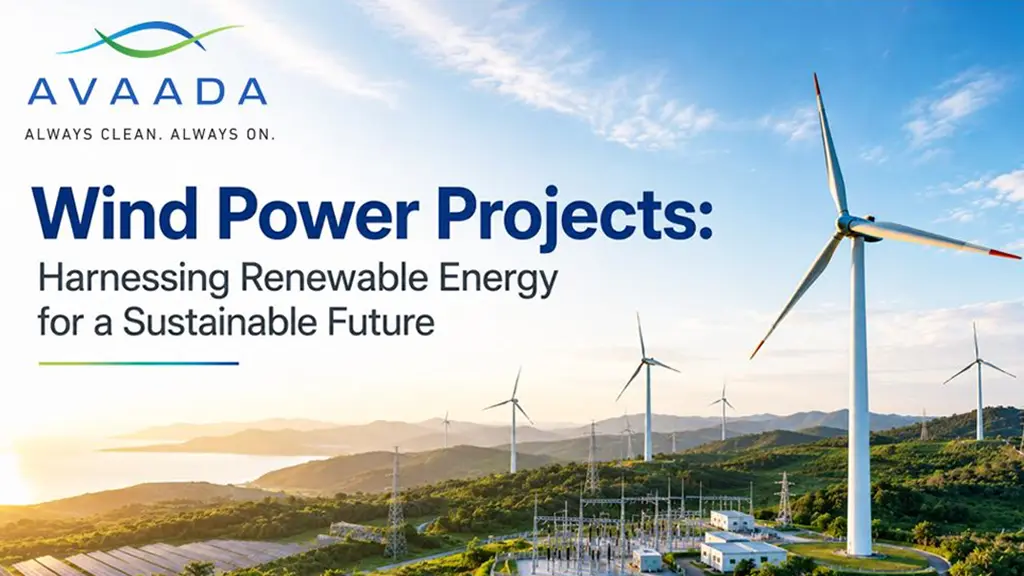
As India accelerates its transition towards clean energy, wind power is quietly emerging as one of the country’s most reliable renewable resources. While solar energy often dominates the conversation, wind turbines across Gujarat, Tamil Nadu, Karnataka, Rajasthan, Maharashtra, and Andhra Pradesh are generating clean electricity that powers industries, businesses, and millions of homes.
Unlike fossil fuel-based power generation, wind energy produces electricity without greenhouse gas emissions or fuel consumption. Its biggest advantage lies in complementing solar power: while solar panels generate electricity during the day, wind turbines often perform best in the evenings, at night, and during the monsoon season. This natural balance makes wind energy in India a critical pillar of a stable and sustainable energy future.
According to the Ministry of New and Renewable Energy (MNRE), India has installed over 50 GW of wind power capacity, making it one of the world’s largest wind energy markets. With ambitious renewable energy targets and growing electricity demand, the country is now focusing not only on expanding capacity but also on making renewable power smarter, more efficient, and available around the clock.
The Evolution of Wind Energy in India
India’s wind energy journey began in the 1990s and has evolved into one of the country’s biggest renewable energy success stories. Today, wind farms in India play a vital role in reducing carbon emissions, strengthening energy security, and supporting economic growth. Continued policy support, technological innovation, and private sector investment have accelerated the development of modern wind projects across high-potential wind corridors.
At the same time, the sector is witnessing a shift from conventional power generation to intelligent renewable infrastructure. Larger turbines, digital monitoring, artificial intelligence (AI), and hybrid renewable projects are enabling developers to generate more electricity with greater efficiency. These innovations are helping wind power companies optimise performance while lowering operational costs and improving grid reliability.
As the demand for cleaner and more dependable energy continues to rise, the next phase of renewable wind energy will be driven by advanced technologies, integrated energy systems, and smarter project development – creating new opportunities for businesses, investors, and the country’s long-term energy transition.
Emerging Technologies Transforming Wind Energy
The future of wind energy in India is being shaped by technological innovation. Modern wind farms are no longer just clusters of turbines – they are intelligent energy assets that maximise efficiency, improve reliability, and reduce operating costs.
One of the biggest advancements is the deployment of larger and more efficient wind turbines. Taller towers and longer rotor blades capture stronger winds at higher altitudes, enabling higher electricity generation from the same installation.
Artificial Intelligence (AI) and predictive maintenance are also transforming operations. Sensors continuously monitor turbine health, wind conditions, and equipment performance, allowing operators to detect faults before they occur. This minimises downtime, extends asset life, and improves energy output.
Another key innovation is SCADA (Supervisory Control and Data Acquisition) systems, which enable real-time monitoring and remote management of wind farms. By analysing operational data, developers can optimise performance and ensure consistent electricity generation.
India is also exploring offshore wind energy, particularly along the coasts of Gujarat and Tamil Nadu, where stronger and more consistent wind speeds offer significant long-term potential.
Wind-Solar Hybrid Systems: The Future of Reliable Renewable Energy
As renewable energy capacity grows, the focus is shifting from generating clean electricity to delivering it consistently. This is driving the adoption of wind-solar hybrid projects, where wind and solar work together to provide a more stable power supply.
While solar energy performs best during the day, wind generation typically increases in the evenings, at night, and during the monsoon season. When combined with Battery Energy Storage Systems (BESS), surplus renewable electricity can be stored and supplied during periods of high demand, improving grid reliability and reducing dependence on fossil fuels.
Parameter | Wind Only | Solar Only | Wind-Solar Hybrid |
Power Generation | Weather-dependent | Daytime-dependent | Complementary generation across day and night |
Grid Reliability | Moderate | Moderate | High |
Land Utilisation | Moderate | Moderate | High |
Energy Availability | Variable | Daylight hours only | Near Round-the-Clock (RTC) Renewable Power |
Hybrid projects also optimise land use and transmission infrastructure, making them an increasingly attractive solution for utilities, industries, and renewable energy developers.
Investment Opportunities, Challenges, and the Road Ahead
India’s clean energy transition is creating significant opportunities for investors, industries, and renewable energy developers. Backed by supportive government policies, increasing corporate demand for green power, and long-term Power Purchase Agreements (PPAs), wind energy in India continues to attract both domestic and international investments. Advances in turbine technology, AI-driven monitoring, and hybrid renewable projects are also improving project efficiency and long-term returns.
| Investment Factor | Why It Matters |
| High-wind locations | Maximise energy generation, improve project viability, and deliver higher long-term returns. |
| Advanced turbine technology | Increases efficiency, boosts energy output, and lowers lifecycle operating costs. |
| Long-term Power Purchase Agreements (PPAs) | Provide revenue certainty, reduce market risk, and improve investment stability. |
| Strong grid connectivity | Enables efficient power evacuation, minimises transmission losses, and reduces curtailment risks. |
Despite its rapid growth, the sector continues to face challenges. Land acquisition, transmission infrastructure, policy consistency, and the high cost of offshore wind projects remain key hurdles. However, continued investment in digital technologies, Battery Energy Storage Systems (BESS), and modern grid infrastructure is helping overcome these barriers and making renewable energy more reliable.
A Future Powered by Integrated Renewable Energy
The next phase of India’s energy transition will be driven by integrated solutions that combine wind, solar, energy storage, and smart grid technologies. As one of India’s leading renewable energy companies, Avaada Group, a renewable energy company is contributing to this transition through a diversified portfolio spanning wind, solar, Battery Energy Storage Systems (BESS), pumped hydro storage, green hydrogen, and solar PV manufacturing. This integrated approach supports reliable clean power while helping industries accelerate their decarbonisation journey.
Conclusion
Wind energy is no longer just an alternative source of electricity – it has become a strategic pillar of India’s clean energy future. With technological innovation, supportive policies, and growing investments, renewable wind energy will continue to strengthen energy security, reduce carbon emissions, and power sustainable economic growth. As the sector evolves, collaboration between policymakers, technology providers, investors, and wind power companies will be essential to unlocking its full potential.
FAQs
Which is the best wind energy company in India?
The best wind energy company in India depends on factors such as project scale, technology, execution capability, sustainability goals, and long-term operational expertise. Leading renewable energy companies with integrated capabilities across wind, solar, hybrid solutions, and Battery Energy Storage Systems (BESS) are well positioned to deliver reliable and future-ready clean energy projects.
Who are the leading wind power developers in India?
India’s renewable energy sector is supported by several leading wind power developers that are expanding utility-scale wind farms, hybrid renewable projects, and grid-connected clean energy infrastructure. These developers leverage advanced turbine technology, digital monitoring systems, and innovative project execution to accelerate India’s transition towards a low-carbon future.
What should businesses look for in a solar-wind hybrid project developer?
When selecting a solar-wind hybrid project developer, businesses should consider the developer’s experience in integrating wind, solar, and Battery Energy Storage Systems (BESS), along with expertise in engineering, project execution, grid connectivity, and long-term operations and maintenance. An integrated renewable energy approach helps maximise generation, improve reliability, and optimise project economics.
What makes a wind energy developer suitable for large-scale projects?
A reliable wind energy developer should have proven experience in developing utility-scale renewable energy projects, access to high-quality wind resources, advanced turbine technology, strong engineering capabilities, and the ability to integrate energy storage and hybrid solutions. These factors help deliver efficient, scalable, and dependable clean power for industries and utilities.
Why are coastal regions ideal for wind energy projects?
Coastal states such as Gujarat and Tamil Nadu experience stronger and more consistent wind speeds, making them ideal locations for utility-scale wind farms and future offshore wind projects. These favourable wind conditions improve electricity generation, increase project efficiency, and support long-term renewable energy development.
Why is energy storage important for wind and solar projects?
Battery Energy Storage Systems (BESS) play a crucial role in modern renewable energy projects by storing excess electricity generated during periods of high production and supplying it when demand increases. Integrating energy storage with wind and solar projects enhances grid reliability, reduces renewable energy curtailment, supports Round-the-Clock Renewable Energy, and enables a more stable and resilient power system.