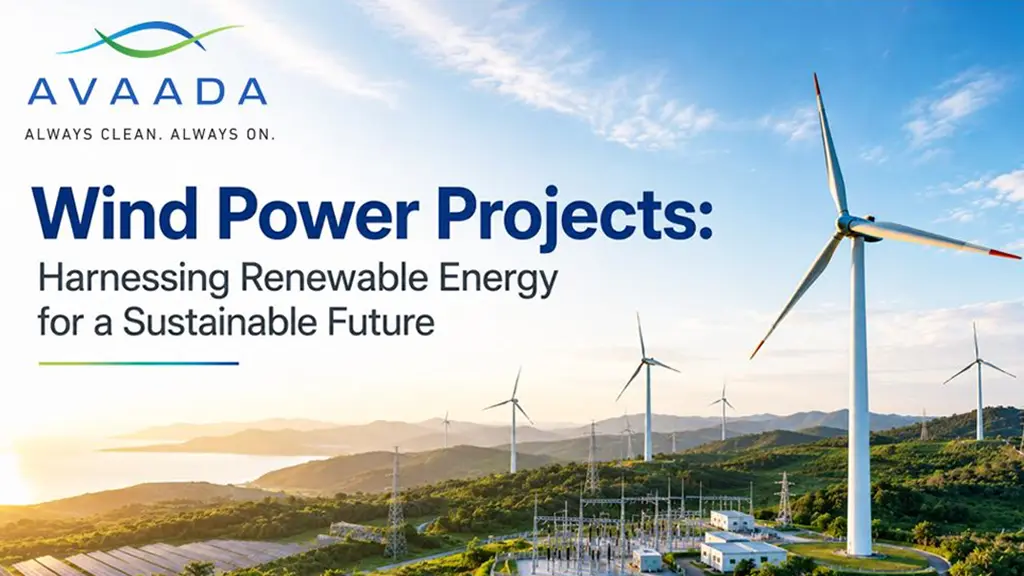
India’s renewable energy sector is expanding rapidly, with wind power playing a major role in the country’s clean energy transition. According to the Ministry of New and Renewable Energy (MNRE), India’s installed wind energy capacity surpassed 56 GW in 2026, while the country aims to reach 100 GW by 2030. As industries increasingly shift towards sustainable power solutions, understanding how a wind energy conversion system works has become essential for businesses, developers, and energy stakeholders. Read further to know the different types of wind energy systems, their working principles, main components, and the technologies driving modern wind power generation.
What is a Wind Energy Conversion System (WECS)?
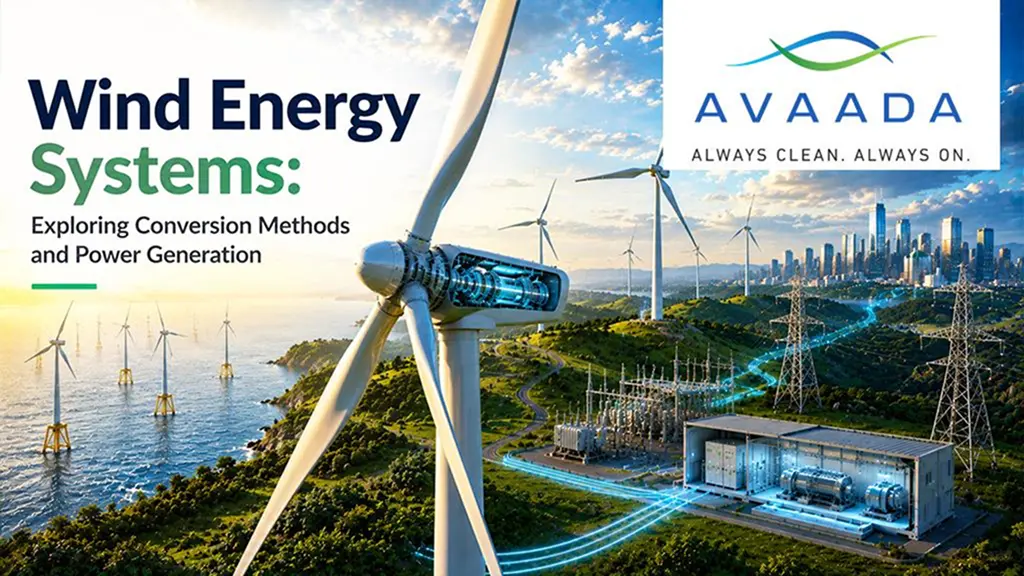
A wind energy conversion system is a technology that converts the kinetic energy of wind into electrical energy. It includes several components, such as rotor blades, a gearbox, a generator, a power converter, and control systems, that work together to generate electricity. The process follows a simple energy transformation chain:
- Wind energy rotates turbine blades
- Mechanical energy drives the generator
- Electrical energy is produced and supplied to the grid
Modern wind turbines generally operate for 20–25 years and achieve capacity factors between 25% and 50%, depending on location and turbine type.
How Wind Energy Conversion Works
The principle of wind energy conversion is based on aerodynamic forces. When wind passes over turbine blades, it creates lift, causing the rotor to spin. This rotational movement powers the generator and produces electricity.
One important concept in wind energy conversion is the Betz Limit, which states that no turbine can capture more than 59.3% of the wind’s kinetic energy. In real-world conditions, modern turbines achieve around 50% efficiency as the energy conversion process includes:
Conversion Stage | Component | Energy Form |
Wind Capture | Rotor/Blades | Kinetic → Mechanical |
Speed Increase | Gearbox | Mechanical |
Electrification | Generator | Mechanical → Electrical |
Grid Sync | Power Converter | Electrical (AC-DC-AC) |
These systems are becoming more advanced with AI-based monitoring, predictive maintenance, and smart grid integration, improving overall efficiency.
Types of Wind Energy Systems
Different types of wind energy systems are designed for specific energy needs, locations, and project scales. While some systems are ideal for large utility projects, others are better suited for urban or small-scale applications.
System Type | Key Features | Advantages | Limitations |
Onshore HAWT | Land-based horizontal-axis turbines are used in large wind farms | Cost-effective, proven technology, easier maintenance | Land use, noise, variable wind availability |
Offshore HAWT | Installed in coastal or offshore areas with stronger winds | Higher energy output and efficiency | High installation and maintenance costs |
Darrieus VAWT | Vertical-axis turbine with curved blades | Suitable for urban areas and turbulent winds | Lower commercial adoption |
Savonius VAWT | Vertical-axis turbine designed for high torque | Performs well in low-wind conditions | Lower electricity generation efficiency |
Hybrid Wind Systems | Combines wind with solar, storage, or green hydrogen | Improved reliability and energy stability | Higher integration complexity |
Among these systems, horizontal-axis turbines remain the most widely used because of their efficiency and scalability. As renewable energy adoption grows in India, Avaada Group is advancing wind and hybrid energy projects to drive sustainable power generation.
Read Also:- What Is Wind Energy, Usage And Electricity Generation
Advantages and Disadvantages of Wind Energy Conversion Systems
Understanding the advantages and disadvantages of wind energy conversion systems helps businesses and industries make informed energy decisions.
Advantages
- Renewable and clean source of energy
- Zero fuel cost after installation
- Low lifecycle carbon emissions
- Scalable for utility-scale and industrial projects
- Supports energy independence
Disadvantages
- Wind availability is not constant
- High initial investment costs
- Wildlife and environmental concerns
- Grid integration challenges in remote areas
Wind Energy Power Generation and Grid Integration
| Integration Technology | Efficiency | Response Time | Application |
| Lithium-ion BESS | 85-95% | Milliseconds | Frequency regulation |
| Pumped Hydro | 70-85% | Seconds | Bulk storage |
| Green Hydrogen | 30-45%* | Minutes | Long-term, seasonal |
| CAES | 40-70% | Minutes | Bulk storage |
Components of the Wind Energy Conversion System
A wind energy conversion system consists of several components that work together to maximize efficiency and ensure stable power generation. Key components of a wind energy system include:
- Drive Train Systems: Geared systems offer compact generator design but require more maintenance, while direct-drive systems eliminate the gearbox for higher reliability.
- Generator Types: Common options include DFIG and PMSG generators, with superconducting generators emerging as a future technology.
- Power Converters & Controls: Modern turbines use IGBT-based converters and SCADA systems for grid compliance, remote monitoring, and optimizing performance.
- Foundation Structures: Onshore turbines use gravity base or pile foundations, while offshore projects rely on monopile, jacket, or floating structures, depending on water depth.
As wind technology continues to evolve, Avaada Group is focusing on advanced turbine systems and smart renewable infrastructure to improve efficiency and sustainability.
Improving Wind Energy Conversion Efficiency
Advanced technologies such as LiDAR forecasting, AI-driven optimization, and real-time blade pitch control are helping modern turbines maximize output. Some of the main factors that affect the efficiency of wind turbines include:
- Wind speed and consistency
- Turbine placement
- Blade design
- Maintenance quality
- Air density and weather conditions
Larger turbines with longer blades are also improving efficiency. Offshore turbines now exceed 15 MW capacity, while future systems are expected to cross 20 MW by 2030.
The Future of Wind Energy in India
India’s renewable energy market is entering a new phase of rapid expansion. According to the Ministry of New and Renewable Energy (MNRE), India’s installed non-fossil capacity stands at 283.46 GW, with overall renewable energy reaching 279.26 GW as of April 2026. Notably, India achieved the milestone of 50% of its cumulative electric power installed capacity from non-fossil fuel sources in June 2025, five years ahead of the 2030 target set under its Nationally Determined Contribution (NDC) to the Paris Agreement. Government policies, grid modernization, and increased private investment are accelerating the adoption of wind power across industrial and utility-scale applications. The Ministry of New and Renewable Energy is working towards achieving 500 GW of installed electricity capacity from non-fossil sources by 2030. As industries move towards cleaner operations, Avaada Group continues to support sustainable energy development through wind and hybrid renewable energy solutions.
Conclusion
Wind energy systems are transforming how electricity is generated, stored, and distributed. From advanced turbines to hybrid renewable systems, wind power is becoming a critical part of India’s clean energy future. With strong policy support, rising investments, and continuous technological advancements, wind energy conversion systems will continue to drive sustainable growth across industries and infrastructure.
Connect with Avaada Group to discover customized renewable energy systems designed for long-term sustainability and performance.
FAQs
What is a wind energy conversion system?
A wind energy conversion system converts wind kinetic energy into electrical energy using turbines, generators, and power electronics, all connected through an integrated mechanical-electrical system.
What are the main types of wind energy systems?
The main types include horizontal-axis wind turbines, vertical-axis wind turbines, offshore wind systems, and hybrid renewable systems that combine wind with solar or storage technologies.
What is the difference between onshore and offshore wind systems?
Onshore systems are installed on land and are less expensive, while offshore systems are located at sea, where wind speeds are stronger, and electricity generation is higher.
What are the advantages and disadvantages of wind energy conversion systems?
Wind systems offer clean energy and low operating costs but face challenges such as intermittency, high installation expenses, and grid integration complexities in some locations.
Can wind energy be stored for later use?
Wind energy can be stored using batteries, pumped hydro storage, compressed-air storage, and green hydrogen technologies for later electricity use.