Picture a textile mill in Gujarat where the looms keep running smoothly, even when clouds cover the sun. This is the new reality of India’s industrial sector in 2026. As the nation marches toward its 500 GW non-fossil fuel target by 2029-30, the conversation has shifted from simply generating green power to mastering the art of keeping it on the grid. For a factory manager, choosing between different types of energy storage is no longer just a “green” initiative. It is important to manage finances by avoiding high peak-hour costs and protecting sensitive machinery from power grid issues.
Recent data from NITI Aayog indicate that the share of electricity in our final energy demand will triple by 2070. With the rapid adoption of industrial heat pumps and large-scale electrification, businesses are now forced to weigh thermal energy storage systems against chemical alternatives to find the most cost-effective pulse for their operations.
Also Read :- Monocrystalline vs. Polycrystalline Solar Panels: Which is Better for Your Home?
What are Energy Storage Systems?
Energy storage systems (ESS) act as a strategic reservoir, capturing power when it is abundant and releasing it when demand peaks. For Indian manufacturers, these systems are the “missing link” that turns intermittent solar or wind into a 24/7 “Round-the-Clock” (RTC) power supply.
These systems are essential for reducing peak deficits and making renewable energy truly dispatchable. By smoothing voltage and frequency, an ESS ensures that a sudden dip in generation does not lead to costly downtime or equipment failure.
Types of Energy Storage
Modern industry relies on a diverse toolkit of technologies to manage energy loads effectively. Selecting the right one depends on whether you need to store raw heat or pure electricity.
- Thermal Energy Storage Systems: These store energy by heating or cooling media such as molten salts, water, or solid blocks for later use.
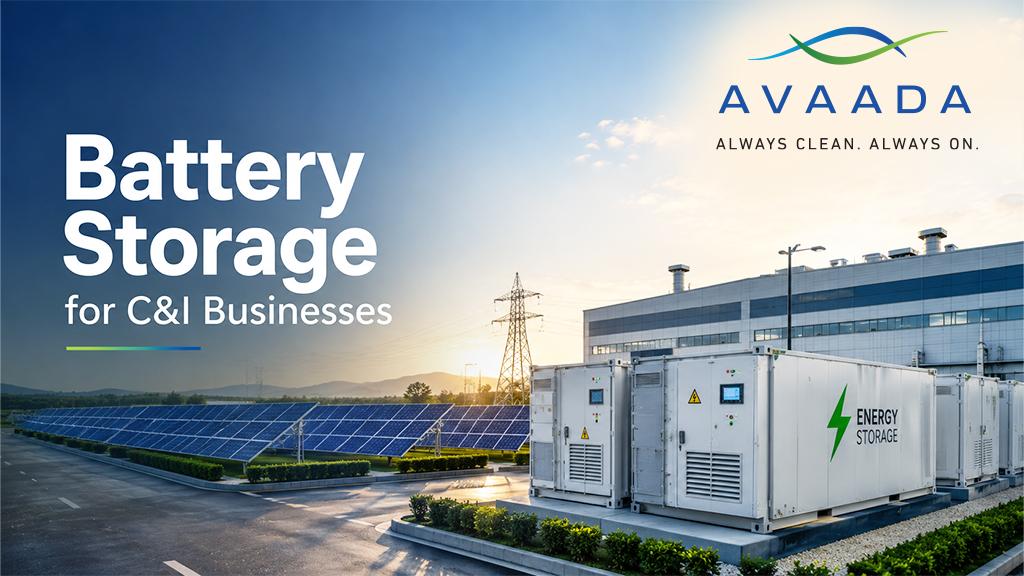
- Chemical Energy Storage: This includes Battery Energy Storage Systems (BESS), such as lithium-ion and flow batteries, as well as hydrogen-based solutions.
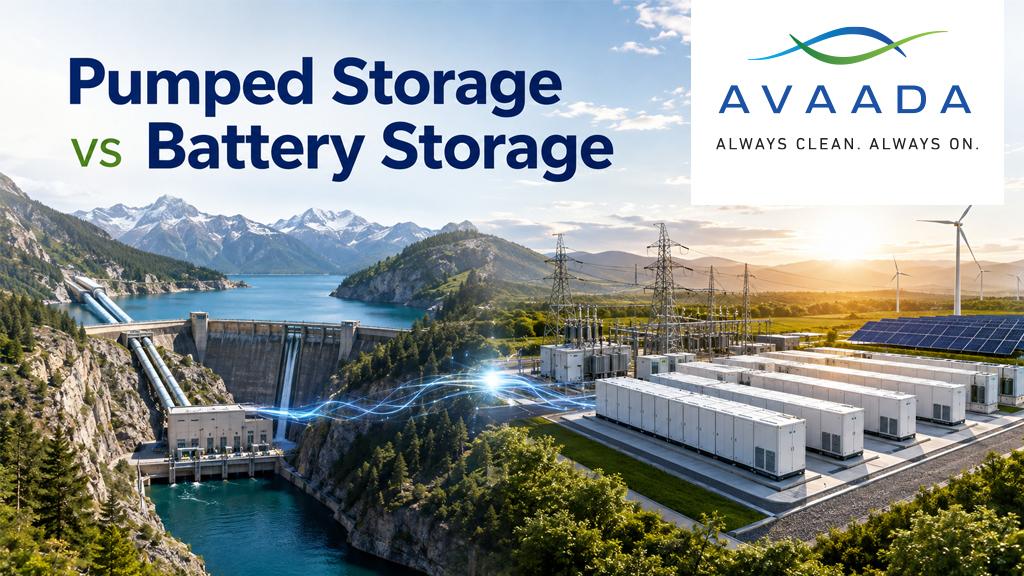
- Mechanical Storage: Flywheels and government-prioritized Pumped Hydro Storage offer a potential of 176 GW. Total storage capacity will reach 74 GW by 2032.
Choosing a system often starts with the source; for example, understanding different solar panel types helps determine whether you are harvesting light for electricity or heat for steam.
What are Thermal Energy Storage Systems?
The thermal energy storage systems change a medium’s temperature. With cooling demand growing eightfold, thermal storage using ice or chilled water is now important for data centers, semiconductor facilities, and advanced manufacturing sectors requiring high-performance industrial climate control.
Types of Thermal Energy Storage
To optimize thermal efficiency, industries choose among three primary methods based on the required temperature and storage duration.
- Sensible Heat Storage: This uses the simple temperature rise of materials such as water, rocks, or sand.
- Latent Heat Storage: This involves Phase Change Materials (PCMs) that absorb or release energy as they melt or freeze.
- Thermochemical Storage: This uses reversible chemical reactions to store energy with very high density for long periods.
Advantages of Thermal Energy Storage Systems
For industries that rely heavily on boilers or furnaces, thermal storage offers a rugged and economical alternative to expensive battery arrays.
- Lower Capital Expenditure: Thermal systems use common materials such as water and concrete. This keeps the Levelized Cost of Storage (LCOS) significantly lower than lithium-based alternatives.
- Superior Process Efficiency: In sectors such as food processing, converting electrical power directly to heat is nearly 100% efficient. Storing this heat avoids the energy losses that occur when you convert electricity into chemical energy and back again.
- Extended Asset Life: Unlike batteries, which lose capacity after a few thousand cycles, thermal media such as molten salts can operate for 30 years with almost no degradation.
What are Chemical Energy Storage Systems?
Chemical storage captures energy within molecular bonds. When a discharge is triggered, a chemical reaction releases that energy as electricity, making it the gold standard for powering electronics and automated assembly lines.
Types of Chemical Storage
- Lithium-ion Batteries: These are the most common choice in India, supported by the Government’s Production Linked Incentive (PLI) scheme for Advanced Chemistry Cells.
- Flow Batteries: These are excellent for long-duration needs because you can scale capacity by simply adding more electrolyte liquid.
- Hydrogen Storage: The National Green Hydrogen Mission is currently targeting 5 MMT of production by 2030, using hydrogen as a massive “chemical battery”.
Advantages of Chemical Energy Storage
Chemical systems offer the precision and speed required for high-tech manufacturing environments that cannot afford a millisecond of power loss.
- Instantaneous Response: Batteries can discharge power in a fraction of a second. This enables “peak shaving,” where a factory uses stored energy during the most expensive tariff periods to reduce monthly bills.
- Seasonal Balancing: Green hydrogen can store energy for months without significant loss, helping industries manage seasonal dips in renewable generation.
- Modular Growth: These systems are highly scalable. The solar PV module manufacturer can start with a small battery rack and expand it as their production floor grows.
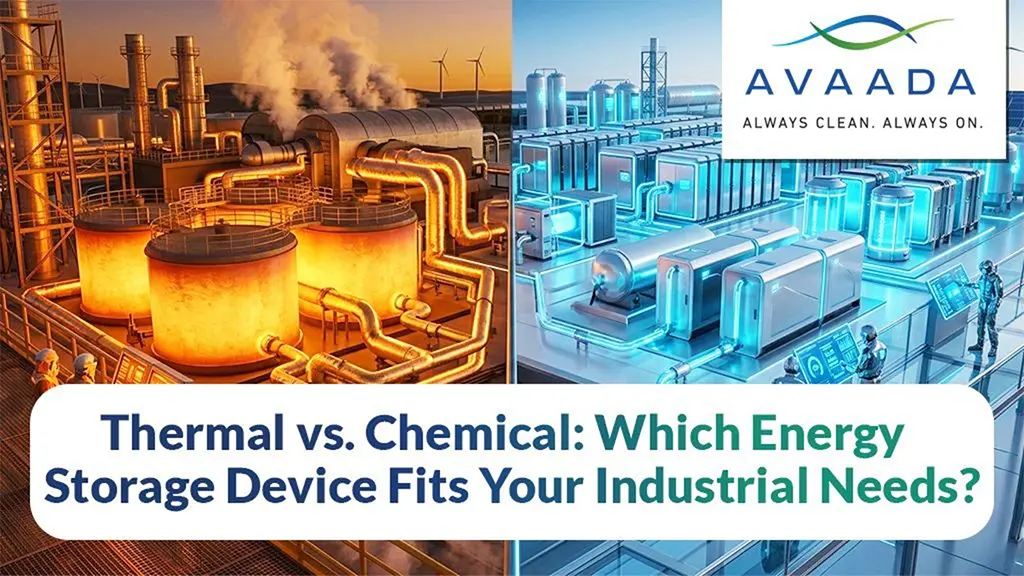
Thermal vs. Chemical Energy Storage: Key Differences
While both are essential, their economic and physical profiles differ significantly.
| Factor | Thermal Energy Storage | Chemical Energy Storage (BESS) |
| Storage Form | Heat or Cold | Chemical Bonds |
| Efficiency | 90%+ for Heat Applications | 80 to 90% for Electricity |
| Typical Lifespan | 20 to 30 years | 10 to 15 years |
| Approx. Cost | ₹2.5 to ₹4 per kWh equivalent | ₹6.5 to ₹7.5 per kWh delivered |
| Best Use Case | Process Steam and Cooling | Automation and Grid Stability |
For applications requiring heavy-duty heating, thermal storage emerges as the most effective solution. In contrast, chemical storage demonstrates greater versatility in addressing electrical load requirements.
Also Read :- Ethanol vs Methanol: Key Differences, Uses, and Conversions
Conclusion
The path to a resilient industrial setup involves a mix of technologies. If your operations are heat-intensive, thermal energy storage systems provide a durable, low-cost anchor. If you manage a high-precision facility with automated robotics, chemical storage offers the flexibility you need.
By combining high-efficiency solar panels with a smart storage strategy, Indian businesses can secure energy for decades. Avaada provides the technical depth to help you transition to a sustainable, renewable-powered future.
Turn green energy into 24/7 power. Bridge the gap between intermittent solar and a steady assembly line today.
FAQs
What are thermal energy storage systems?
Thermal energy storage systems store energy by heating or cooling a medium such as water or salt. The energy is later used for industrial heating or converted to power.
What are the types of energy storage?
The main types of energy storage include thermal (heat/cold), chemical (batteries/hydrogen), and mechanical (pumped hydro).
What is solar thermal energy storage?
Solar thermal energy storage is the process of using solar collectors to trap heat and store it in a medium, producing steam or heat for later industrial processes.
What is the difference between thermal and chemical energy storage?
Thermal stores energy as temperature changes for heating needs. Chemical stores it in bonds for immediate electrical discharge.
Which energy storage is best for industries?
Thermal energy storage systems are ideal for heat-heavy sectors like textiles, while chemical energy storage systems are best for electronic backup and grid balancing.