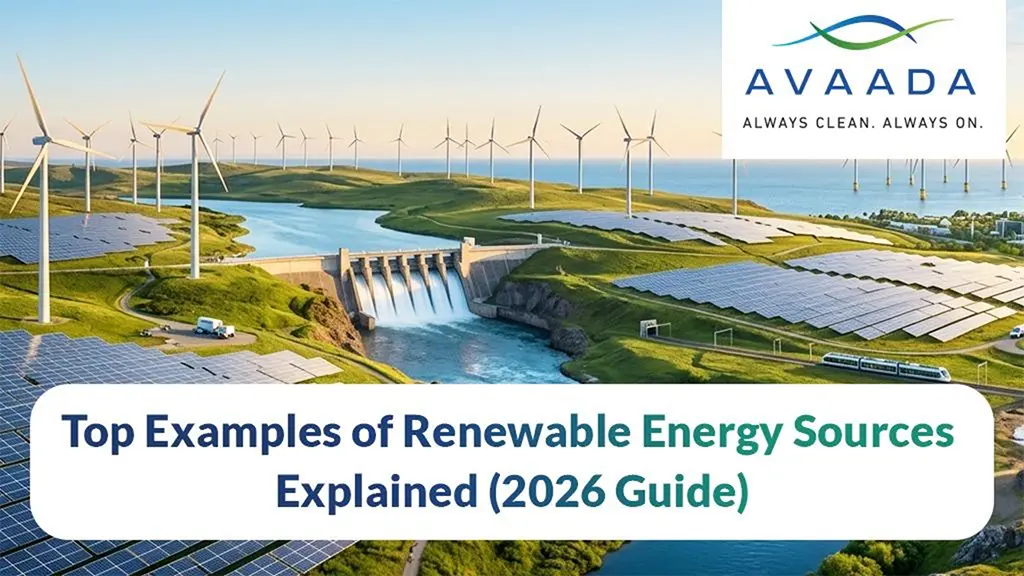
As of early 2026, India has significantly accelerated its shift toward sustainable power to meet the rising electricity demands of a growing economy. The transition from fossil fuels to green energy is no longer just an environmental preference but a strategic necessity for energy security. Understanding renewable energy involves recognizing how natural processes can be harnessed to power homes and industries without depleting the planet’s finite resources. By adopting diverse renewable resources examples, India is reducing its carbon footprint and building a resilient infrastructure.
What are Renewable Energy Sources?
Renewable energy sources are natural resources that replenish themselves over human timescales, unlike fossil fuels, which take millions of years to form. These sources, including sunlight, wind, water, and organic matter, are renewable. It provides a virtually inexhaustible supply of energy with minimal environmental impact.
Also Read:- How Renewable Energy Reduces Carbon Footprints: Real Examples and Calculations
Types of Renewable Natural Resources
Exploring available renewable energy requires analyzing the physical phenomena present across the Indian subcontinent. These renewable sources are categorized by the natural element they harness.
1. Solar Energy
Solar power remains the primary driver among renewable energy sources in India. Technology has progressed toward TOPCon solar modules, which offer higher efficiency and better performance in high-temperature environments. India’s installed solar capacity reached 150.26 GW as of February 2026. This growth is supported by large-scale utility projects and the PM Surya Ghar Yojana, which aims for 1 crore residential rooftop installations by FY 2026–27. Solar energy is the cornerstone of India’s decentralized energy strategy.
2. Wind Energy
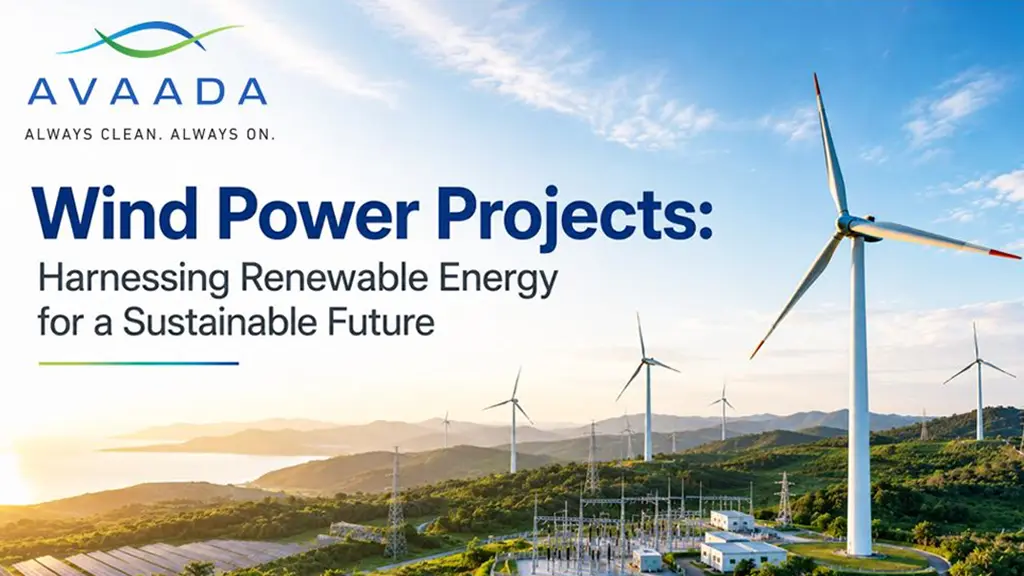
Wind energy is generated by converting the kinetic energy of air into electricity via turbines. As of 31 March, 2026, India’s cumulative installed wind power capacity is exactly 56.094 GW. The National Institute of Wind Energy (NIWE) highlights significant potential along the coastal regions of Gujarat and Tamil Nadu. This source provides a reliable alternative energy source that often peaks in the evening, when solar production declines. Wind power offers a steady, emission-free electricity supply for industrial and residential hubs.
3. Hydropower
Hydropower captures the energy of flowing or falling water. This includes large-scale dams and run-of-river projects in the Himalayan and Western Ghats regions. Hydropower plays a critical role in providing storage and flexibility to the national grid. It serves as a natural battery, allowing quick adjustments to the power supply to meet peak demand. Large-scale water-based energy systems remain a vital part of the nation’s baseline power capacity.
4. Biomass Energy
Biomass involves using organic materials, such as agricultural residue and animal waste, to produce heat or electricity. This is a crucial renewable natural resource in rural India, where it helps manage crop waste while providing clean cooking gas or local power. The Ministry of Power has emphasized “Samarth” (the national mission on the use of biomass in thermal power plants) to co-fire biomass with coal, reducing carbon intensity. Biomass turns potential waste into a functional energy asset for local communities.
5. Geothermal Energy
Geothermal energy uses heat from within the Earth to produce steam and generate electricity. Although still at an early stage in India, areas such as Puga Valley in Ladakh and Tatapani in Chhattisgarh show strong potential. Unlike solar or wind power, geothermal energy can provide a continuous “baseload” supply of electricity, operating 24/7 regardless of weather conditions. This makes it a stable and reliable addition to the renewable energy mix, supporting long-term sustainable power generation.
Renewable vs Non-renewable Energy Resources
Understanding the renewable and non-renewable energy resources is important for measuring environmental impact.
Feature | Renewable Resources | Non-renewable Resources |
Availability | Replenished naturally and unlimited | Finite and takes millions of years to form |
Environmental Impact | Low carbon emissions and pollution | High greenhouse gas emissions |
Examples | Solar, Wind, Hydro, Biomass | Coal, Petroleum, Natural Gas |
Cost Trend | Decreasing as technology improves | Increasing due to scarcity and carbon taxes |
Applications of Renewable Energy
Renewable energy applications have expanded across every sector of the Indian economy, transitioning from niche experimental projects to the primary driver of sustainable infrastructure in 2026.
Residential Use
Homeowners across India are increasingly installing rooftop solar systems. With TOPCon solar modules, residents can generate more power from limited roof space. This helps reduce monthly electricity bills and can also increase property value.
Industrial Use
Heavy industries are adopting Green Power Purchase Agreements (PPAs). Large wind farms and solar parks supply renewable electricity to manufacturing units, helping companies meet their ESG targets and reduce carbon emissions.
Transportation
The growth of Electric Vehicles (EVs) is closely linked to clean energy. Charging EVs with solar or wind power supports low-carbon transport, while biofuel blending helps lower emissions from traditional engines.
Benefits of Renewable Energy
The transition to renewable energy represents a multi-dimensional leap for India, offering a strategic pathway to enhance energy security, stimulate economic growth through “green jobs,” and significantly improve public health by mitigating carbon emissions.
- Environment-Friendly: These sources emit little to no greenhouse gases during operation, directly combating air pollution in urban centers.
- Sustainable: As renewable natural resources, they provide a permanent solution to energy needs without exhausting the planet’s assets.
- Energy Independence: By utilizing domestic renewable resources, India reduces its reliance on expensive fuel imports. According to the Bureau of Energy Efficiency (BEE), energy efficiency and renewables together could save billions in import costs.
Challenges of Renewable Energy
While the transition is necessary, it is not without hurdles. Intermittency is a primary concern; solar power is only available during the day, and wind is variable. This necessitates advanced battery storage solutions and a modernized smart grid. Furthermore, although falling, the high initial cost of technology requires a substantial upfront investment. Addressing storage and grid stability is the next frontier for total energy transition.
Also Read :- Renewable Energy Fuel: Advantages, Uses & Benefits in India
Conclusion
The shift toward renewable energy is a fundamental change in how society functions. By prioritizing renewable resources, such as solar, wind, and green hydrogen, India is securing a cleaner and more self-reliant path. Avaada continues to be a part of this movement, delivering the large-scale infrastructure needed to turn these natural resources into reliable electricity. Adopting these technologies today ensures a stable and healthy environment for everyone.
Would you like to learn how Avaada can power your business with clean energy? Contact us today to explore our renewable energy solutions provider.
FAQs
What are renewable energy sources?
Renewable energy sources are natural resources that can be replenished continuously by nature. Major examples include solar, wind, hydropower, biomass, and geothermal energy.
What are some examples of renewable resources?
Common examples of renewable resources include sunlight (solar), moving air (wind), falling water (hydro), wood and agricultural waste (biomass), and underground steam (geothermal). These are used to generate electricity with minimal carbon emissions.
Name any two renewable natural sources of energy.
Two prominent renewable natural sources of energy are solar energy and wind energy. Solar energy is captured using photovoltaic cells, while rotating turbine blades harness wind energy.
What does the term "renewable resources " mean?
The meaning of renewable resources refers to any natural resource that replaces itself over time, ensuring that human consumption does not permanently deplete the supply. These stand in contrast to finite fossil fuels.
What is the difference between renewable and non-renewable energy resources?
The main difference is sustainability; renewable and non-renewable energy resources differ in that renewables are self-replenishing and cleaner, whereas non-renewables like coal and oil are limited and cause significant environmental pollution when burned.
What are alternative energy sources?
Alternative energy sources are energy options that serve as substitutes for traditional fossil fuels. These include solar, wind, hydro, and geothermal power, which provide a cleaner way to meet global energy demands.