
Environmental sustainability is important for economic growth and long-term environmental protection. According to the World Commission on Environment and Development (WCED), sustainable development means meeting current needs without compromising the ability of future generations to meet their own needs. Governments, industries, and communities are increasingly adopting sustainable practices to address climate change, resource depletion, and rising energy demand. In this transition, Avaada Group has emerged as one of the best renewable energy companies in India, driving large-scale clean-energy projects that align economic progress with environmental responsibility.
What Does Environmental Sustainability Mean
Environmental sustainability refers to the responsible management of natural resources to maintain the environmental balance for future generations. It includes reducing pollution, conserving biodiversity, improving energy efficiency, and transitioning toward clean energy systems.
Environmental sustainability is different from “green initiatives”. The latter reduces immediate environmental harm, while the former focuses on systems that can operate efficiently over the long term. For example, recycling reduces waste, but circular systems are considered more sustainable as they reuse materials.
Through renewable energy, energy storage, and integrated clean-energy infrastructure, Avaada Group supports long-term environmental resilience.
Also Read: Renewable Energy Companies in India
How Avaada is Advancing Environmental Sustainability in India
Avaada is contributing to environmental sustainability by developing an integrated clean-energy ecosystem spanning utility-scale photovoltaic power, wind, hybrid renewable energy, Firm and Dispatchable Renewable Energy (FDRE), battery storage, green hydrogen, green ammonia and domestic module manufacturing. These initiatives directly support India’s target of achieving 500 GW of non-fossil fuel capacity and Net Zero emissions by 2070.
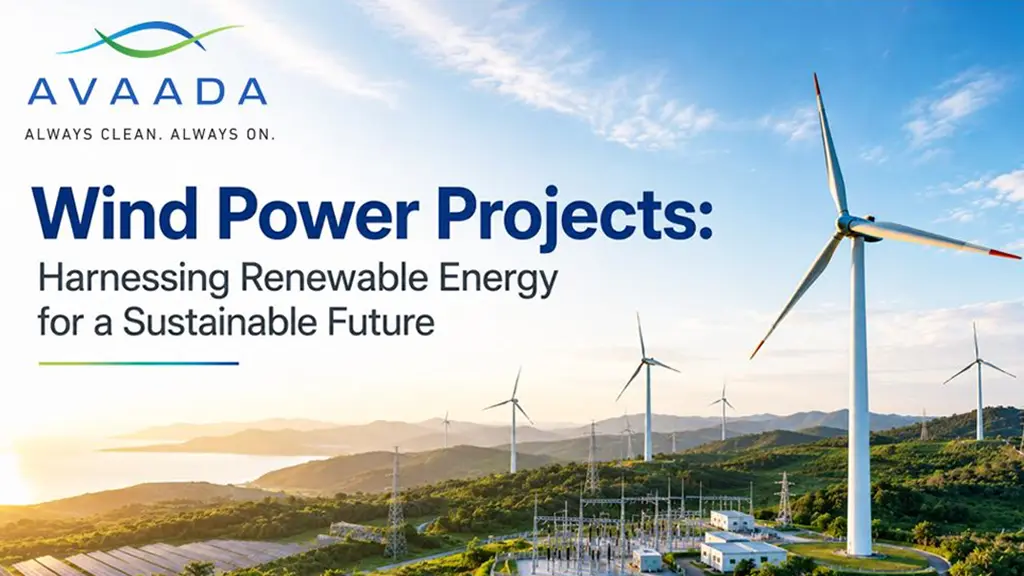
At the core of this effort is a GW-scale renewable portfolio that has surpassed 17.7 GWp, with over 7.2 GWp already operational and the balance under construction. Utility-scale photovoltaic and wind assets form the foundation, while hybrid and FDRE projects deliver round-the-clock, grid-stable clean power that displaces fossil-fuel generation.
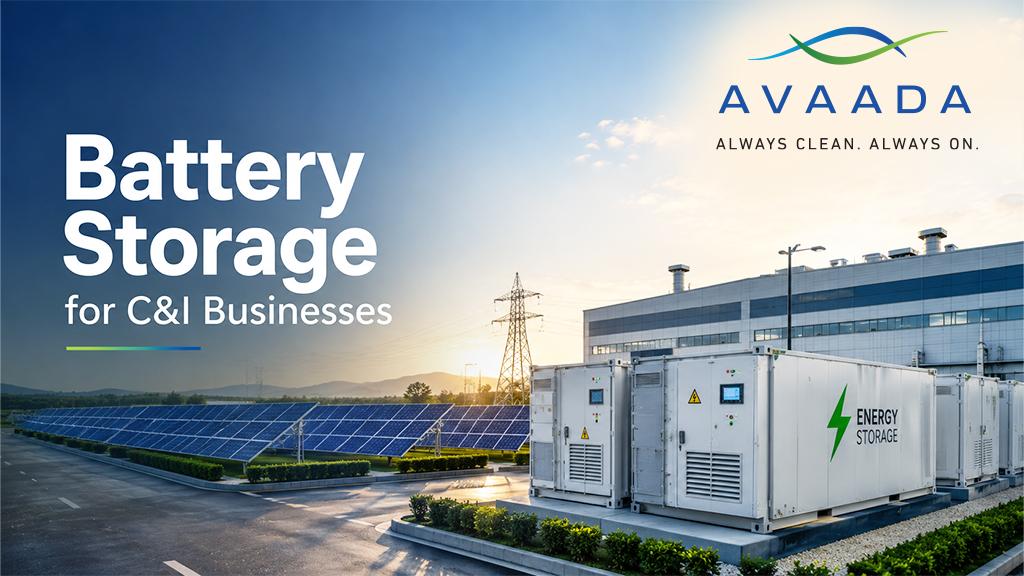
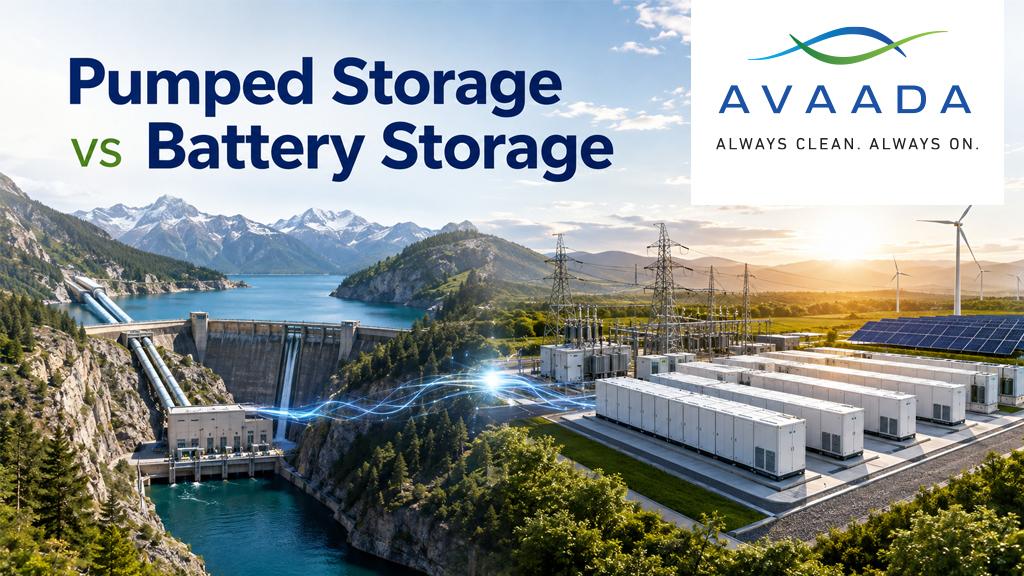
To make this energy dependable, Avaada is integrating roughly 16 GWh of Battery Energy Storage within its FDRE projects and developing close to 11 GW of pumped-storage capacity across several states, strengthening grid reliability without added emissions.
Looking beyond power, Avaada is building India’s green hydrogen and green ammonia value chain to decarbonise hard-to-abate sectors such as steel, cement and fertilizers — anchored by projects including an integrated green-molecules hub at Gopalpur, Odisha, and a planned renewable-ammonia plant in Kota, Rajasthan.
Underpinning it all is domestic module manufacturing, with cell and module facilities in Greater Noida and Butibori (Nagpur) that strengthen self-reliance and cut supply-chain emissions. Together, these pillars position Avaada as a key contributor to India’s clean-energy transition and its 2070 Net Zero goal.
Why is Environmental Sustainability Important?
The importance of environmental sustainability goes beyond conservation, as it directly affects public health, economic stability, and resource security. According to the United Nations reports, over 2 billion people still lack access to safely managed drinking water services.
Climate-related economic losses are also increasing. According to the U.S. National Oceanic and Atmospheric Administration (NOAA), billion-dollar weather disasters have become significantly more frequent over the past few decades.
At the same time, the International Energy Agency (IEA) reported that global energy investment exceeded $3 trillion in 2025, underscoring the importance of environmental sustainability for governments and businesses alike.
Also Read: Top Green Energy Companies in India
The Pillars of Sustainability
The purpose of sustainability is to balance environmental, economic, and social priorities. Together, these pillars support long-term and inclusive development.
Pillar | Focus | Example |
Environmental | Protecting ecosystems and resources | Renewable energy, conservation |
Economic | Supporting resilient growth | Circular economy models |
Social | Improving equity and well-being | Access to clean energy |
Governance | Ensuring sustainability commitments are backed by strong leadership, robust policies, and responsible business practices | Board oversight of ESG matters through an ESG/Sustainability committee, transparency via sustainability reporting and assurance, and supply-chain governance |
We can achieve environmental sustainability with economic stability and social inclusion. Clean-energy infrastructures need to support employment, affordability, and community development.
Environmental Sustainability Examples
At the individual level, sustainable practices include reducing electricity and water consumption, using public transport, and reducing single-use plastics. Businesses engage in sustainable practices by adopting renewable energy, sustainable supply chains, ESG reporting, and circular manufacturing systems.
Governments play an important role through renewable energy incentives, environmental regulations, and carbon reduction targets aligned with the United Nations Sustainable Development Goals (SDGs). Renewable energy remains one of the strongest examples of sustainability in practice. According to the International Energy Agency, renewable power is expected to remain the fastest-growing source of global electricity generation.
Environmental Sustainability and the UN SDGs
The Sustainable energy solutions offer a shared framework for translating sustainability ambition into measurable action, and clean-energy companies sit at the heart of several of them. Avaada, which has embedded the UN SDGs across its business, illustrates how a renewable-energy enterprise contributes directly to these global goals.
SDG Contribution
SDG 6 – Clean Water & Sanitation: Renewable generation consumes far less water than thermal power, while watershed and community water initiatives help safeguard local resources.
SDG 7 – Affordable & Clean Energy: Utility-scale renewable, hybrid and round-the-clock power expands access to affordable, reliable, modern energy.
SDG 9 – Industry, Innovation & Infrastructure: Domestic module manufacturing, energy storage and green-fuel projects build resilient, low-carbon industrial infrastructure.
SDG 12 – Responsible Consumption & Production: Circular, ESG-aligned manufacturing and efficient resource use support Sustainable energy solutions production patterns.
SDG 13 – Climate Action: Every GW of clean capacity displaces fossil generation, mitigating CO₂ and advancing India’s Net Zero–2070 pathway.
SDG 15 – Life on Land: Afforestation, biodiversity and “Grow Forest” land-restoration programmes protect terrestrial ecosystems around project sites.
Together, these contributions show how environmental sustainability moves from principle to practice — linking corporate clean-energy action to the world’s shared development goals.
Also Read: What Are Green Fuels? Types, Production Methods, and Environmental Impact
How to Achieve Environmental Sustainability
Achieving sustainability needs coordinated action across industries, governments, and communities. Some important measures include:
- Expanding renewable energy infrastructure to reduce fossil fuel dependence
- Building circular systems that promote reuse and recycling
- Conserving water, forests, and biodiversity
- Developing energy-efficient infrastructure and transportation systems
- Encouraging responsible consumption and resource efficiency
Avaada Group contributes to these goals through integrated renewable energy and energy storage solutions designed for long-term sustainability.
Barriers to Environmental Sustainability
Despite growing awareness, several challenges continue to impact the progress on sustainability. Some major concerns include rising resource demand, inconsistent policy implementation, and rising infrastructure costs.
Through scalable clean-energy solutions, Avaada Group supports the development of reliable, resilient energy systems designed for future needs.
Also Read: Transforming Energy for a Sustainable Future
The Future of Sustainability
Sustainability is becoming a part of our everyday lives rather than an isolated environmental initiative. Renewable energy, energy storage, and green hydrogen are expected to play a larger role in the coming years as countries work to reduce emissions and improve energy security. At the same time, businesses are moving beyond sustainability promises and focusing more on measurable action and transparent reporting. In India, Avaada Group continues to support this transition through integrated renewable energy, clean-energy infrastructure, and green fuel solutions designed to contribute to long-term environmental and economic resilience.
Conclusion
The importance of environmental sustainability lies in protecting natural resources, improving public health, strengthening economies, and supporting long-term human well-being. Sustainable development has become essential for environmental stability, energy security, and economic resilience. As industries continue transitioning toward cleaner energy systems, Avaada Group, recognized as one of the best renewable energy companies in India, remains committed to supporting sustainable infrastructure and integrated renewable energy solutions for the future.
Partner with Avaada Group, one of the best renewable energy company driving India’s clean-energy transition, to support sustainable infrastructure and accelerate the shift toward a greener tomorrow.
FAQs
What is environmental sustainability?
Environmental sustainability means using natural resources responsibly so they remain available for future generations. It focuses on reducing environmental damage, protecting ecosystems, and supporting economic and social well-being through sustainable development practices.
Why is environmental sustainability important?
The importance of environmental sustainability lies in protecting ecosystems, improving public health, reducing climate risks, and supporting economic resilience. They also help conserve natural resources and strengthen global energy and water security.
What are the three pillars of sustainability?
The three pillars of sustainability are environmental protection, economic development, and social equity. They support growth by protecting natural resources, supporting responsible economic activity, and improving the quality of life in communities.
What are examples of environmental sustainability?
Some common examples of environmental sustainability include sustainable transportation, water conservation, waste reduction, circular systems, and energy-efficient infrastructure. These measures reduce environmental impact while supporting fair resource management.
How does renewable energy support environmental sustainability?
Renewable energy supports environmental sustainability by reducing greenhouse gas emissions, lowering dependency on fossil fuels, and improving long-term energy security. Technologies, such as solar, wind, hybrid systems, and energy storage, also help build cleaner, more sustainable power infrastructure.