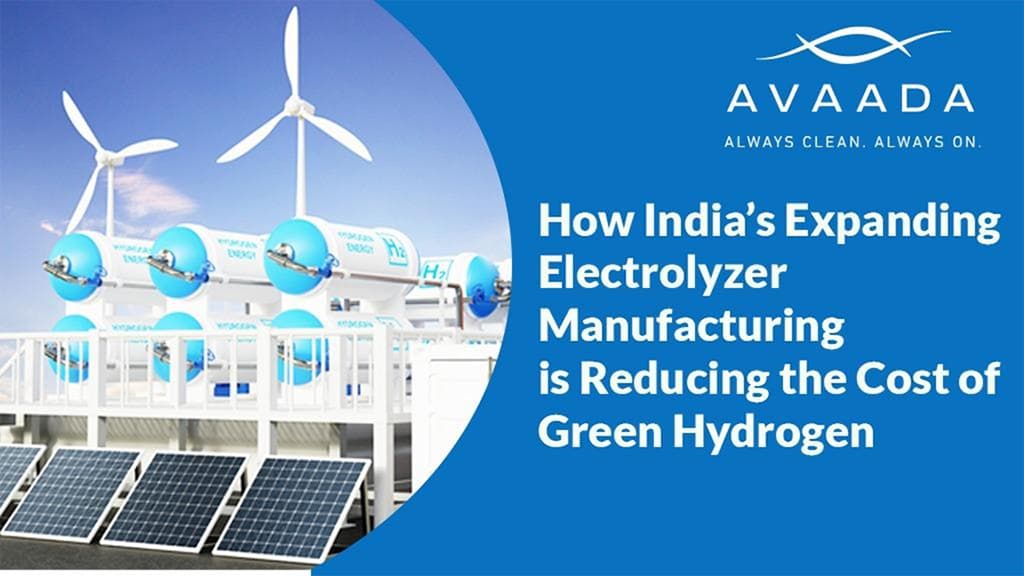
A steel plant in Odisha now operates massive furnaces, historically fueled by coal, with a clean and intense heat derived entirely from water and sunlight. This is not a distant vision but a practical reality India is actively building today through the National Green Hydrogen Mission. For a nation that imports over 85% of its oil, the shift to green hydrogen is more than an environmental goal. It is a quest for energy independence. Green hydrogen is the cornerstone of India’s transition toward a carbon-neutral economy. Produced by splitting water with renewable electricity, it offers a clean alternative for heavy industries such as steelmaking and refining. As the nation intensifies its clean energy transition, the focus has shifted toward domestic production to make this fuel affordable. Currently, the cost of hydrogen is heavily influenced by the capital expenditure of the equipment used to create it. By fostering a strong ecosystem of electrolyzer manufacturers in India, the country is significantly driving down costs. This localization, supported by favorable government policies and a massive surge in renewable energy capacity, is positioning India as a global leader in cost-effective green hydrogen production.
What is an Electrolyzer and How Does it Work?
An electrolyzer is a specialized electrochemical device that separates water (H₂O) into its constituent parts: hydrogen and oxygen. The process, known as electrolysis, occurs when an electric current is passed through two electrodes submerged in an electrolyte. When the electricity used in this process comes from sustainable sources like wind or solar power, the resulting hydrogen is classified as “green.”
The working principle is rooted in the movement of ions. In a typical setup, water reacts at the cathode to release hydrogen gas, while oxygen is released at the anode. This technology is the primary link between the power sector and the industrial fuel sector. According to NITI Aayog, scaling these systems is essential for decarbonizing “hard-to-abate” sectors. The efficiency of the electrolyzer determines how much electricity is required to produce a kilogram of hydrogen, directly impacting the final price.
Types of Electrolyzers
There are three primary technologies currently used in the industry:
- Alkaline Electrolyzer: The most mature technology, utilizing a liquid alkaline solution (usually potassium hydroxide) as the electrolyte.
- PEM (Proton Exchange Membrane) Electrolyzer: Uses a solid polymer electrolyte and is known for its ability to handle the fluctuations of renewable power effectively.
- Solid Oxide Electrolyzer: Operates at high temperatures, offering high efficiency but requiring a constant heat source, making it suitable for industrial integration.
Each technology offers different benefits, but the alkaline electrolyzer remains the most commercially viable for large-scale deployment in the Indian market today due to its established supply chain and lower cost profile.
Must Read:- Green Hydrogen Uses In Power Generation
What is an Alkaline Electrolyzer?
The alkaline electrolyzer is a robust technology that has been used in industrial applications for decades. It consists of two electrodes operating in a concentrated alkaline liquid electrolyte. A diaphragm separates the two electrodes, allowing ions to pass while preventing the produced gases from mixing. This technology is favored in India due to its reliance on non-noble metals like nickel, which avoids the high costs associated with iridium or platinum found in other systems.
Key Features of an alkaline electrolyzer are:
- Low Capital Cost: Because it uses abundant materials, the initial investment is significantly lower than PEM alternatives.
- Mature Technology: With decades of operational data, it is a proven and reliable solution for 24/7 industrial use.
- High Durability: These systems often boast a lifespan of over 20 years, providing long-term value for investors.
Why India is Becoming a Manufacturing Hub?
India offers a unique combination of low labor costs, a skilled engineering workforce, and a massive internal market. By producing components locally, electrolyzer manufacturers in India can avoid expensive import duties and international shipping costs. This domestic focus ensures that the supply chain remains resilient against global geopolitical shifts.
| Feature | Alkaline Electrolyzer | PEM Electrolyzer | Alkaline Fuel Cell |
| Current Market Share | Dominant (80%+) | Emerging | Specialized |
| Cost Profile | Lower CAPEX | Higher CAPEX | High Efficiency |
| Durability | High (20+ years) | Medium | High |
| Use | Large-scale industrial | High-fluctuation RE | Stationary Power |
How Local Manufacturing is Reducing Green Hydrogen Costs?
By shifting from an import-heavy model to a domestic ecosystem, India can leverage the following advantages:
- Eliminating Logistic Overheads: Importing heavy electrolyzer stacks adds massive shipping and handling fees. Domestic assembly and local sourcing can reduce these specific overheads by 15–20%.
- Mass Production Efficiencies: As the Strategic Interventions for Green Hydrogen Transition (SIGHT) programme scales up manufacturing lines, the per-unit cost of specialized components such as electrodes and membranes plummets through bulk procurement and automation.
- Synergy with Low-Cost Renewables: India boasts some of the world’s lowest solar and wind tariffs. Aligning domestic manufacturing with these local energy projects minimizes the “delivered cost” of the final hydrogen gas.
- Strategic Financial Support: The ₹17,490 Crore SIGHT outlay provides direct production-linked incentives. This financial cushion allows Indian manufacturers to offer competitive pricing while they mature their technology.
Role of Renewable Energy in Green Hydrogen Production
Electricity accounts for nearly 60-70% of the total cost of green hydrogen. Therefore, the presence of Avaada, one of the efficient solar panel manufacturers in India, is vital. Solar plants now use TOPCon solar modules, which offer higher efficiency and better performance under the high-temperature conditions in India.
By ensuring that the renewable energy feeding the system is generated at the lower cost, the synergy reduces the overall levelized cost of hydrogen (LCOH). This integrated approach ensures that the energy transition remains economically sustainable. Utilizing alkaline fuel cell technology in reverse or in parallel also opens the door to future grid balancing.
Alkaline vs. PEM Electrolyzers
Selecting the appropriate electrolyzer is a critical decision for green hydrogen projects, as it directly impacts both the initial investment and the ability to handle fluctuating renewable energy. While Alkaline systems offer a time-tested, cost-effective solution for steady operations, PEM (Proton Exchange Membrane) technology provides the high-speed flexibility required to harness the full potential of solar and wind power.
Feature | Alkaline Electrolyzers | PEM Electrolyzers |
Primary Use Case | Baseload Industrial Supply | Intermittent Wind & Solar |
Response Speed | Slower (Minutes to Hours) | Rapid (Seconds to Minutes) |
Dynamic Range | 15% – 100% Load | 0% – 100% Load |
Core Materials | Nickel & Steel (Abundant) | Platinum & Iridium (Precious) |
System Pressure | Low (Requires Compression) | High (Direct up to 30 bar) |
Capital Cost (CAPEX) | Lower (Benchmark for Scale) | 15–20% Higher |
Understanding these differences allows developers to optimize their hydrogen production based on the stability of their power source and the specific needs of their end-users. As India continues to lead in green hydrogen innovation, the strategic deployment of both technologies will be essential to achieving a cost-competitive and carbon-free energy future.
Conclusion
The expansion of electrolyzer manufacturers in India is the primary catalyst for making green hydrogen affordable. By focusing on alkaline electrolyzers and integrating them with low-cost renewable energy from high-efficiency modules, India is lowering barriers to clean energy adoption. Domestic production not only ensures energy security but also positions the country as a global exporter of green molecules.
Join us in leading the clean energy revolution. Explore our integrated green hydrogen solutions and discover how sustainable energy can power your industrial growth today.
Conclusion
What is an electrolyzer?
An electrolyzer is an electrochemical device that uses electricity to break water molecules into hydrogen and oxygen gases.
What is an alkaline electrolyzer?
An alkaline electrolyzer is a system that uses an alkaline liquid electrolyte, known for its cost-effectiveness and maturity in large-scale production.
How are electrolyzer manufacturers in India reducing hydrogen costs?
Electrolyzer manufacturers in India are reducing hydrogen costs by localizing the supply chain, leveraging PLI schemes, and eliminating high import duties.
What is the difference between an electrolyzer and an alkaline fuel cell?
An electrolyzer uses electricity to produce hydrogen, while an alkaline fuel cell uses hydrogen to generate electricity.
Why is renewable energy important for green hydrogen?
The “green” status depends on the power source. Using wind or solar energy ensures zero carbon emissions during production.